Quick Summary
- Primary Endpoint Met: The MAJESTY phase III study achieved its primary endpoint, showing significantly more patients reached complete remission at two years with Gazyva/Gazyvaro compared to tacrolimus.
- Disease Context: Primary membranous nephropathy is a chronic autoimmune kidney condition affecting ~88,000 people in the EU and 96,000+ in the US. Up to 30% progress to kidney failure within 10 years.
- Potential Impact: If approved, Gazyva/Gazyvaro would be the first therapy specifically indicated for this disease, helping patients maintain kidney function and prevent serious complications like dialysis or transplant.
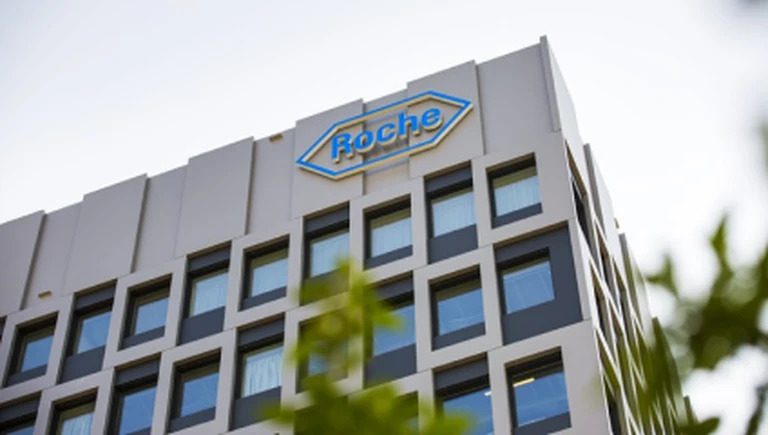
Roche announced that Gazyva (obinutuzumab), a glycoengineered anti-CD20 monoclonal antibody, met its primary endpoint in the phase III MAJESTY trial for primary membranous nephropathy, demonstrating superior efficacy compared to tacrolimus. This landmark achievement positions Gazyva as the first disease-modifying therapy specifically approved for primary membranous nephropathy, addressing a critical unmet need affecting nearly 185,000 patients in the EU and US combined. The positive Gazyva primary membranous nephropathy phase III results represent a historic milestone in autoimmune kidney disease treatment and could revolutionize outcomes for patients facing progressive kidney failure.
Study Demonstrates Superior Efficacy: More Patients Achieve Complete Remission with Gazyva/Gazyvaro
The MAJESTY trial results reveal that significantly more patients achieved complete remission at two years (104 weeks) with Gazyva/Gazyvaro compared to tacrolimus, the current standard treatment. This finding is particularly noteworthy given the devastating natural history of primary membranous nephropathy, where up to 30% of patients progress to kidney failure within a decade despite existing therapeutic approaches.
Analysis of secondary endpoints further strengthened the clinical profile. Gazyva/Gazyvaro demonstrated statistically significant and clinically meaningful benefits over tacrolimus in overall remission rates defined as either complete or partial remission at 76 weeks and complete remission at 104 weeks of treatment.
The safety profile of Gazyva/Gazyvaro remained consistent with its well-characterized safety data from previous studies, with no new safety signals identified during the MAJESTY trial. This established safety profile is particularly important for patients requiring long-term kidney disease management.

Clinical Significance: Addressing a Critical Unmet Medical Need
Primary membranous nephropathy affects an estimated 88,000 people in the European Union and over 96,000 in the United States. The disease represents a chronic autoimmune condition that causes potentially irreversible kidney damage and progressive decline in kidney function. Without effective intervention, the disease’s trajectory can be devastating.
These results demonstrate that Gazyva/Gazyvaro may help more people with primary membranous nephropathy achieve complete remission, maintain kidney function for longer and delay or potentially prevent the onset of life-threatening complications,
If approved, Gazyva/Gazyvaro would be the first therapy specifically indicated for people with primary membranous nephropathy, where there are limited treatment options.
Levi Garraway
The progression to kidney failure carries significant medical, social, and economic consequences. Approximately one-third of PMN patients develop end-stage kidney disease within ten years, necessitating invasive interventions such as dialysis or kidney transplantation. Beyond the immediate health consequences, kidney failure substantially impacts patients and their families while imposing a considerable financial burden on healthcare systems.
Read More: Roche’s Gazyva/Gazyvaro Gets U.S. FDA Approval for Lupus Nephritis Treatment
Mechanism of Action: Targeting the Underlying Pathology
Gazyva/Gazyvaro functions as a glycoengineered, anti-CD20 monoclonal antibody designed to achieve deep tissue B-cell depletion. By targeting CD20-expressing B cells, the drug addresses an underlying pathogenic mechanism in primary membranous nephropathy, potentially halting disease progression and preserving kidney function. This mechanism-driven approach distinguishes Gazyva/Gazyvaro from conventional immunosuppressive therapies that broadly suppress immune function.
The rationale for targeting B cells in PMN is grounded in the disease’s autoimmune etiology. B cells play a central role in the pathogenesis of primary membranous nephropathy through antibody production and antigen presentation. By depleting B cell populations, Gazyva/Gazyvaro addresses the fundamental immune dysregulation underlying the condition.
Building Evidence Across Immune-Mediated and Kidney Diseases: A Growing Pipeline
The MAJESTY study represents the fourth positive phase III trial for Gazyva/Gazyvaro in immune-mediated diseases, following three other successful pivotal studies in related conditions:
- REGENCY study: Demonstrated efficacy in lupus nephritis
- NOBILITY study: Supported the current approved indication in lupus nephritis
- ALLEGORY study: Showed benefit in systemic lupus erythematosus (SLE)
- INShore study: Established efficacy in idiopathic nephrotic syndrome
This expanding body of clinical evidence establishes Gazyva/Gazyvaro as a potentially transformative therapeutic option across a spectrum of immune-mediated diseases, particularly those involving kidney pathology. The consistency of efficacy across multiple immune-mediated conditions suggests that CD20-targeting B cell depletion addresses a fundamental mechanism relevant to several autoimmune and immune-mediated diseases.
MSD Oncology Pipeline Advances With First Phase 3 Data for Intismeran Autogene Plus KEYTRUDA and Sacituzumab Tirumotecan
The Merck oncology pipeline will present first-time Phase 3 results for intismeran autogene plus KEYTRUDA, sacituzumab tirumotecan and KEYTRUDA monotherapy in Madrid from Oct. 23-27, […]

Current Regulatory Status and Future Pathway
Gazyva/Gazyvaro is currently approved in both the United States and European Union for treating adults with active lupus nephritis, based on data from the REGENCY and NOBILITY studies. This existing regulatory approval and established safety database provide a foundation for the regulatory submissions planned for primary membranous nephropathy.
Roche intends to present MAJESTY data at an upcoming medical meeting and will share these results with health authorities, including the US Food and Drug Administration (FDA) and the European Medicines Agency (EMA). These regulatory submissions will form the basis for potential approval of Gazyva/Gazyvaro as the first disease-modifying therapy specifically indicated for primary membranous nephropathy.
Beyond the adult population, Roche is investigating Gazyva/Gazyvaro in a global phase II study of children and adolescents with lupus nephritis, demonstrating commitment to addressing immune-mediated kidney disease across age groups.
Last Modified: