Johnson & Johnson Neuropsychiatry Pipeline Advances with New APA/ASCP Data
Johnson & Johnson reinforces its leadership in neuropsychiatry, presenting pivotal data for seltorexant and aticaprant at the 2024 APA and ASCP meetings.
Novo Nordisk announced today that its blockbuster drug semaglutide failed to slow the progression of early-stage Alzheimer’s disease in two large-scale Phase 3 clinical trials, [Read More…]
Eli Lilly and Company announced the European Commission has granted marketing authorization for Kisunla (donanemab) to treat early symptomatic Alzheimer’s disease. The therapy demonstrated a significant slowing of cognitive and functional decline and is unique for supporting a finite treatment course.
Eli Lilly and Company announced results from the long-term extension of the Phase 3 TRAILBLAZER-ALZ 2 study, demonstrating that participants treated with Kisunla (donanemab-azbt) for early symptomatic Alzheimer’s disease showed a continued slowing of decline over three years.
The University of California San Francisco Medical Center researchers have discovered four different gene classes that contribute to the explanation of why certain brain regions [Read More…]
A significant step in Alzheimer’s care: The FDA’s updated approval for the Amyvid PET scan allows for better diagnosis and patient selection for the latest amyloid-based treatments
Swiss healthcare giant Roche is advancing prasinezumab, a potential first-in-class anti-alpha-synuclein antibody for early Parkinson’s disease, into Phase III trials. This decision follows encouraging data from the Phase IIb PADOVA study and its long-term follow-up, suggesting the drug offers clinical benefits.
The Food and Drug Administration’s approval of lecanemab, a new Alzheimer’s medication shown in clinical trials to reduce the disease slowly over time.
Eliminating amyloid from the brain may prevent symptoms in those who are destined to acquire early-onset Alzheimer’s disease, according to a clinical experiment. This suggests the need for additional research.
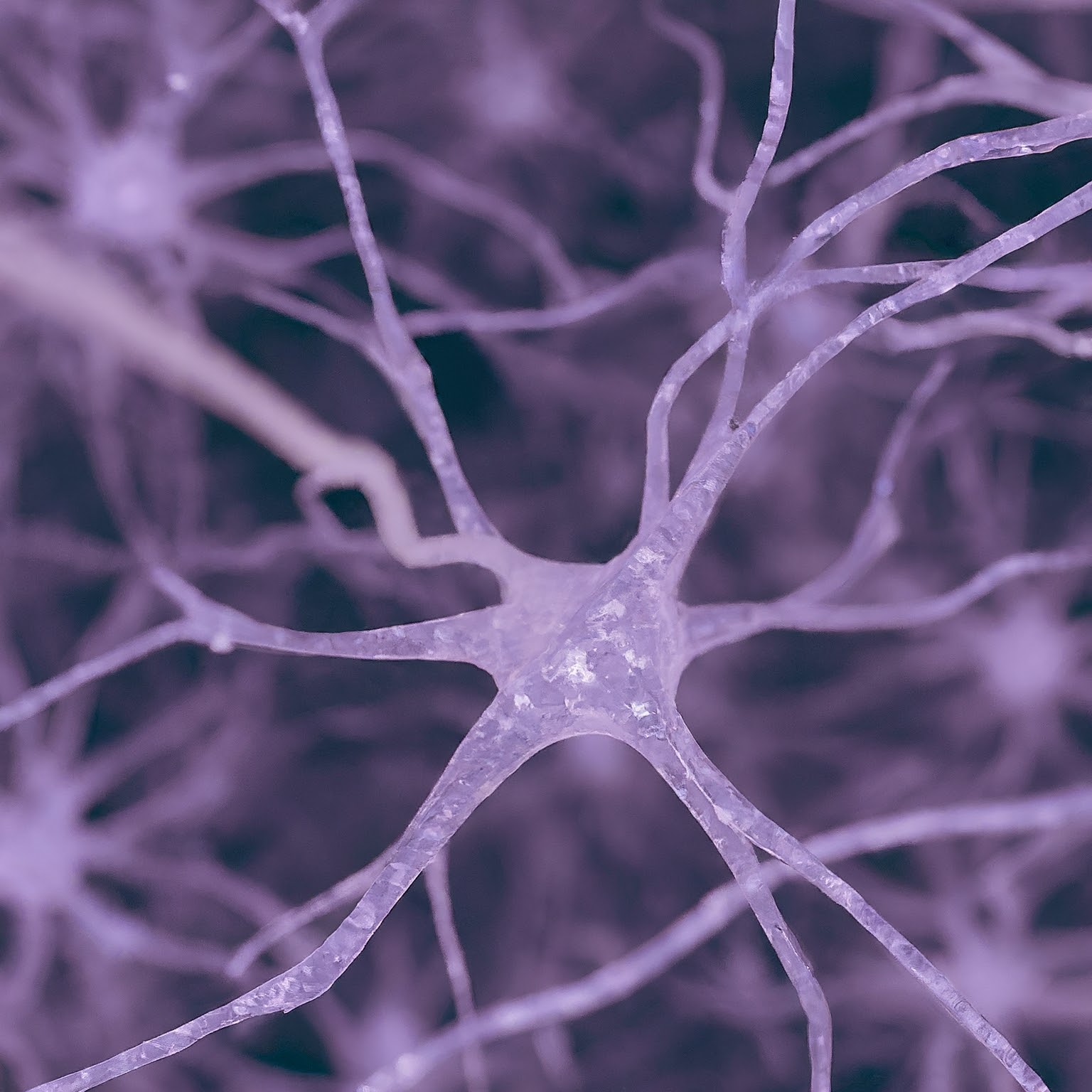
The researchers created a highly effective conversion technique using mouse cells that can generate over ten neurons from a single skin cell.