‘Proteotoxic Shock’: Ohio State Researchers Uncover Hidden Mechanism Behind Immunotherapy Failure
Recent Cancer Research Shows Treatment Efficacy With Lupus-Related Antibody

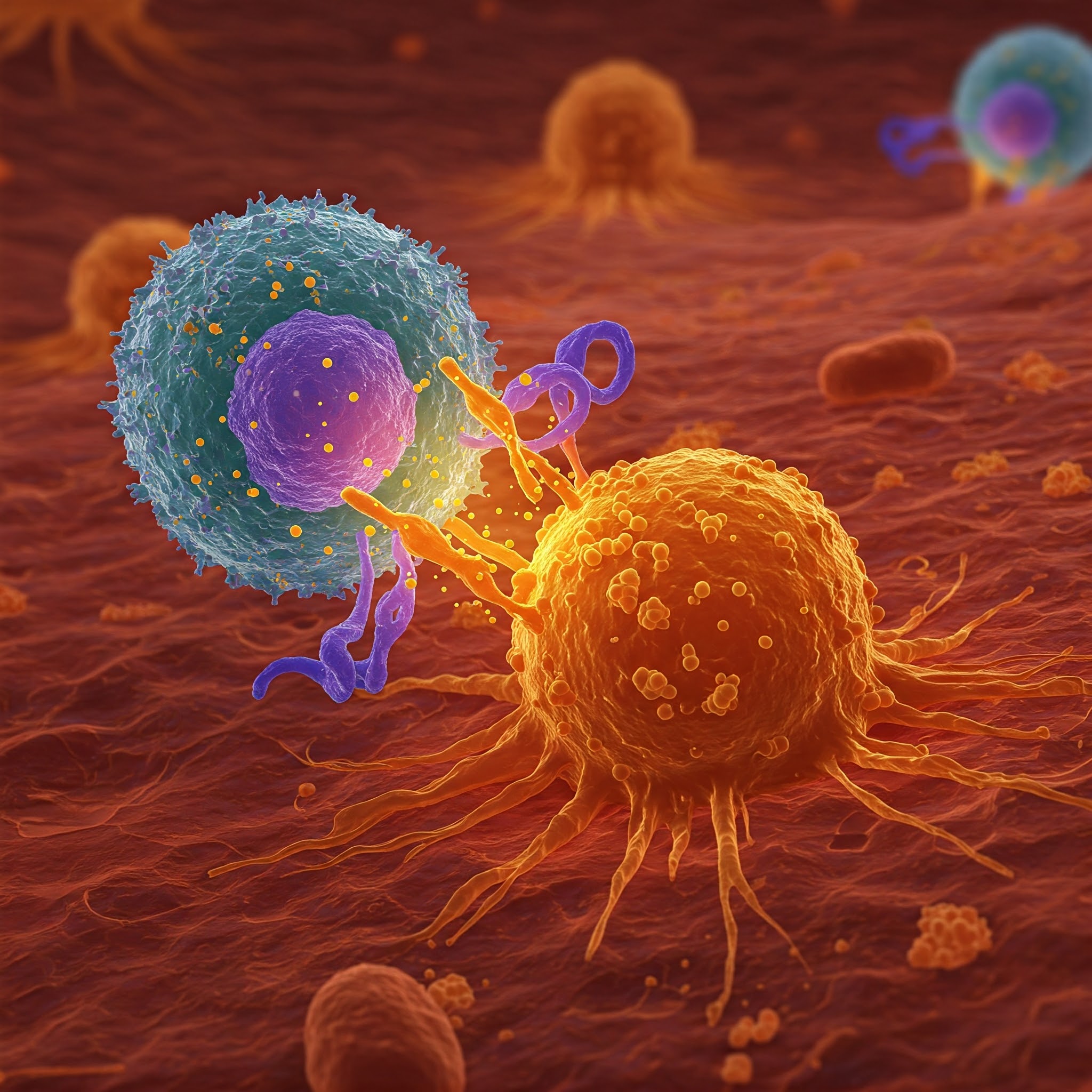
A landmark study by Ohio State scientists reveals the underlying mechanism of cancer immunotherapy failure: a fatal “proteotoxic shock” or protein quality control collapse (TexPSR) in T-cells. This newly identified stress pathway overwhelms immune cells with misfolded proteins, disabling their tumor-fighting function. Crucially, blocking the TexPSR pathway in preclinical models restored T-cell function and made immunotherapy markedly more effective, offering an entirely new target for cancer treatment development.

Pfizer’s BRAFTOVI® Combination Regimen Halves Mortality Risk in BRAF V600E-Mutant Metastatic Colorectal Cancer

pfizer news

Pfizer’s BRAFTOVI® combination regimen has demonstrated a 51% reduction in the risk of death and a 47% decrease in disease progression for patients with BRAF V600E-mutant metastatic colorectal cancer, according to the pivotal Phase 3 BREAKWATER trial.

Trastuzumab: Targeted Therapy for HER2-Positive Cancers – Details, Mechanism, Usage and Side Effects

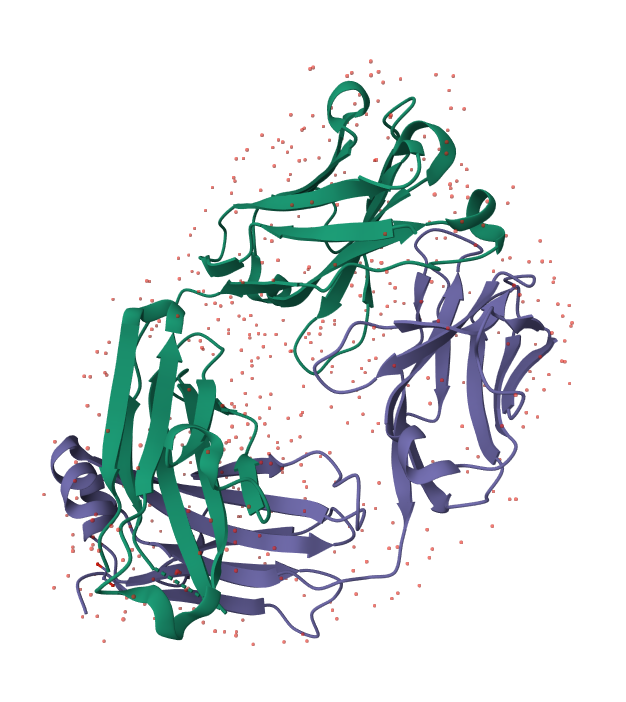
trastuzumab structure

Trastuzumab is a monoclonal antibody that has been engineered to attack and block the human epidermal growth factor receptor 2 (HER2), a protein that contributes to cancer cell growth. It is used most frequently to treat HER2-positive breast cancer and HER2-positive gastric cancer. As [Read More…]

Astellas and Pfizer’s XTANDI® Demonstrates Significant Long-Term Survival Benefit in Metastatic Hormone-Sensitive Prostate Cancer

pfizer news

XTANDI® (enzalutamide), co-developed by Astellas and Pfizer, has shown a significant 30% reduction in risk of death over five years in metastatic hormone-sensitive prostate cancer (mHSPC) patients, marking it as the first androgen receptor inhibitor to demonstrate this long-term survival benefit.