SARS-CoV-2 which causes COVID-19 is widespread in wild animals
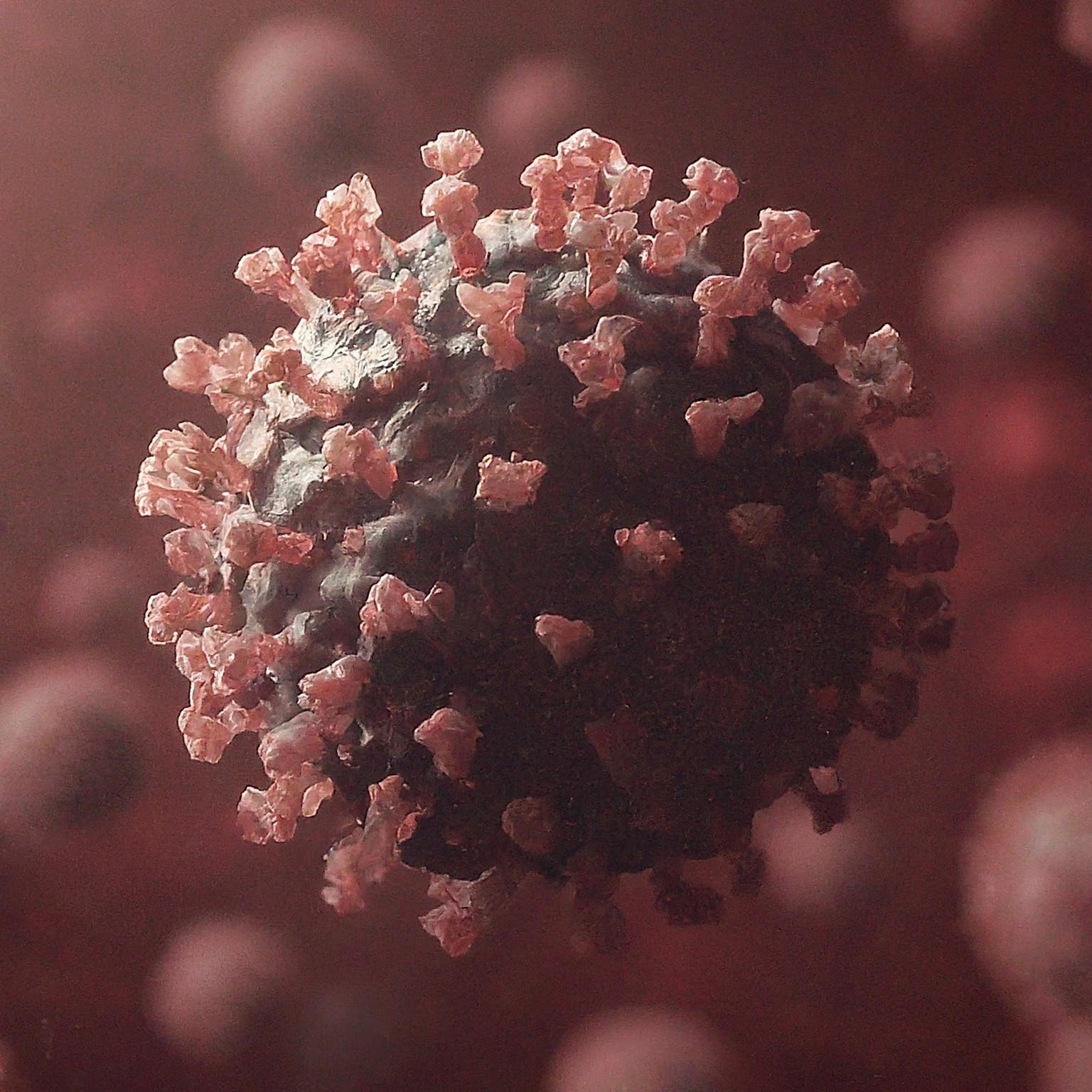
The results underline the necessity for widespread surveillance as well as the discovery of new SARS-CoV-2 mutations in animals.
The results underline the necessity for widespread surveillance as well as the discovery of new SARS-CoV-2 mutations in animals.

US officials announced in late March 2024 that dairy cows in Texas were experiencing an epidemic of the highly pathogenic avian influenza virus or HPAI H5N1.
90% of the adult population is infected with EBV, which often causes no symptoms or sickness.
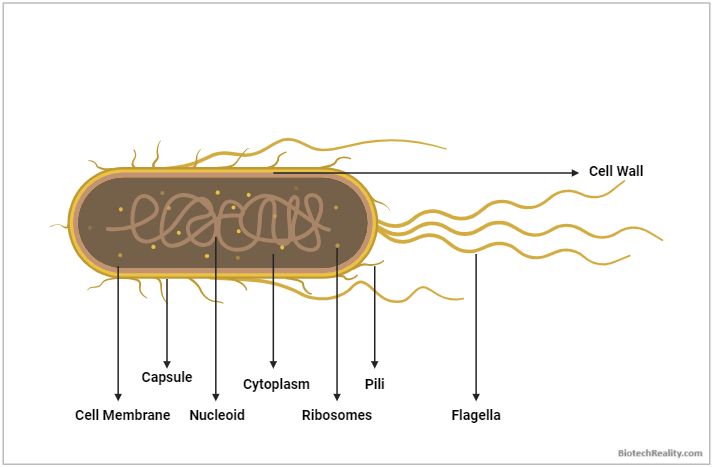
Comparing Escherichia coli (E. coli) to eukaryotic cells, the structure of bacteria is generally simpler.
Biopreparedness and virological surveillance involves studying the causes that favor zoonotic spillover and facilitates human-to-human transmission.

For almost a century, researchers have mined Streptomyces for antibiotics; nevertheless, the recently discovered umbrella toxin went unnoticed.
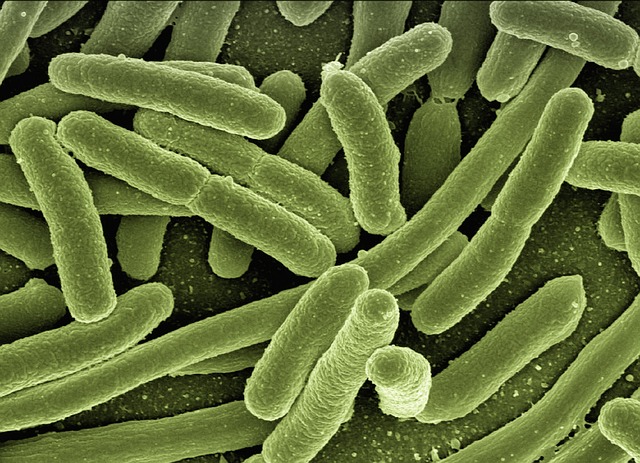
Researchers at The Rockefeller University have discovered that bacteria sense phages via a defensive response called CBASS that detects viral RNA
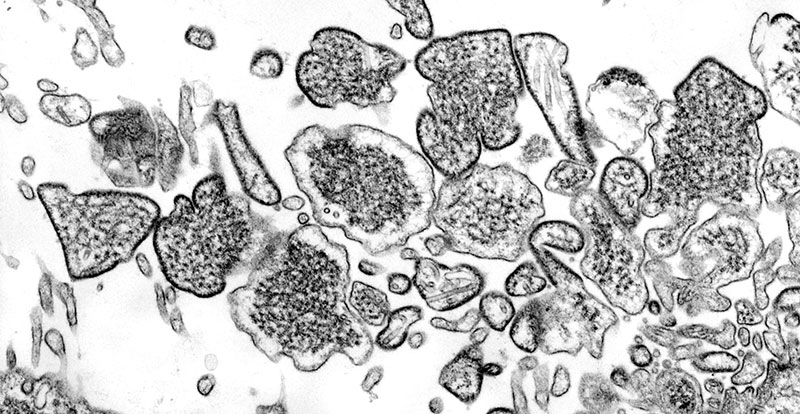
As a zoonotic virus, the Nipah virus (NiV) can spread from animals and people. Fruit bats, often known as flying foxes, are the animals that naturally harbour NiV. Pigs and humans have both been reported to become ill with the Nipah virus.
H3N2 is an Influenza A variant virus. It is called a variant because it is commonly present in pigs but when it is present among [Read More…]
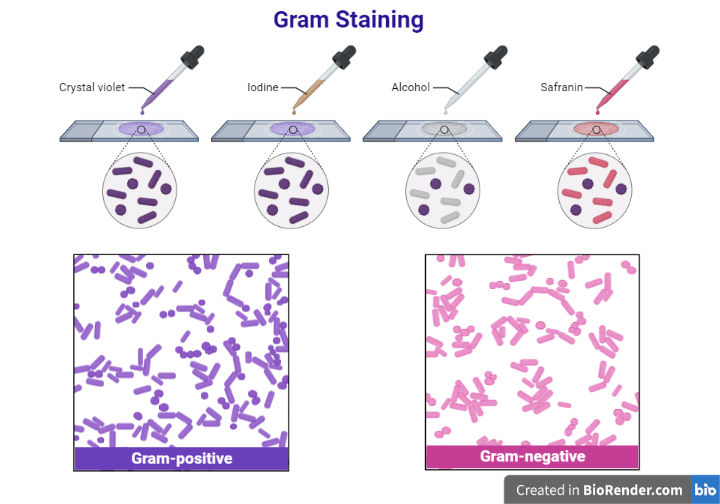
In Biology, specifically in Microbiology Gram Staining is an inevitable technique. It was introduced in the year 1884 by Hans Christian Gram. This staining process [Read More…]