IQVIA Announces First-Quarter 2025 Financial Results
IQVIA reported $3.829 billion in total revenue for the first quarter that ended on March 31, 2025, a 2.5% increase over the same period in 2024.
IQVIA reported $3.829 billion in total revenue for the first quarter that ended on March 31, 2025, a 2.5% increase over the same period in 2024.
One of the most prevalent causes of chronic liver disease in the developed world, MASLD affects about 30% of the population.

Johnson & Johnson today announced significant long-term findings from the Phase 3 QUASAR study program, demonstrating that TREMFYA® (guselkumab) delivered sustained rates of clinical remission [Read More…]
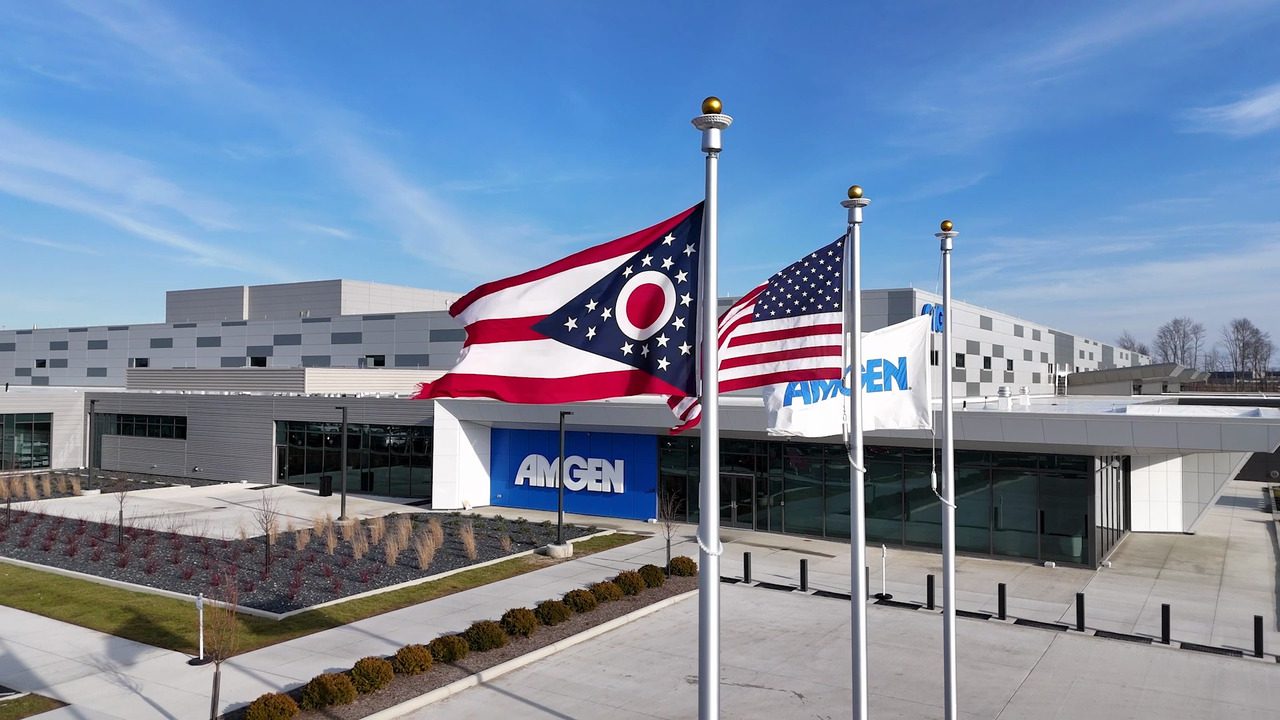
Amgen Inc. (NASDAQ: AMGN) announced its financial results for the first quarter ended March 31, 2025, showcasing significant revenue growth fueled by strong product volume [Read More…]
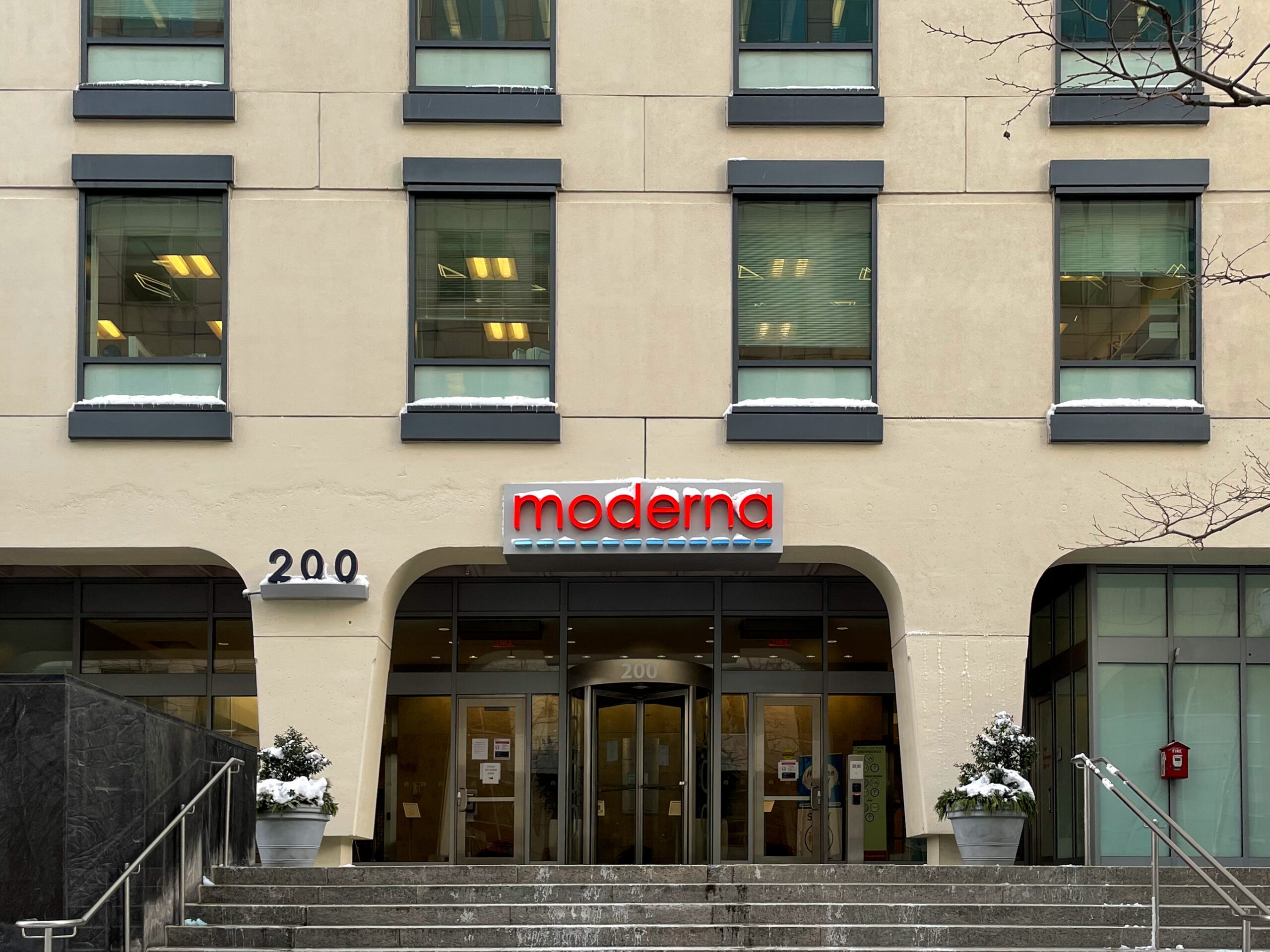
Moderna, Inc. announced its financial results for the first quarter ending March 31, 2025, highlighting a strategic realignment towards oncology and other pipeline candidates amidst [Read More…]
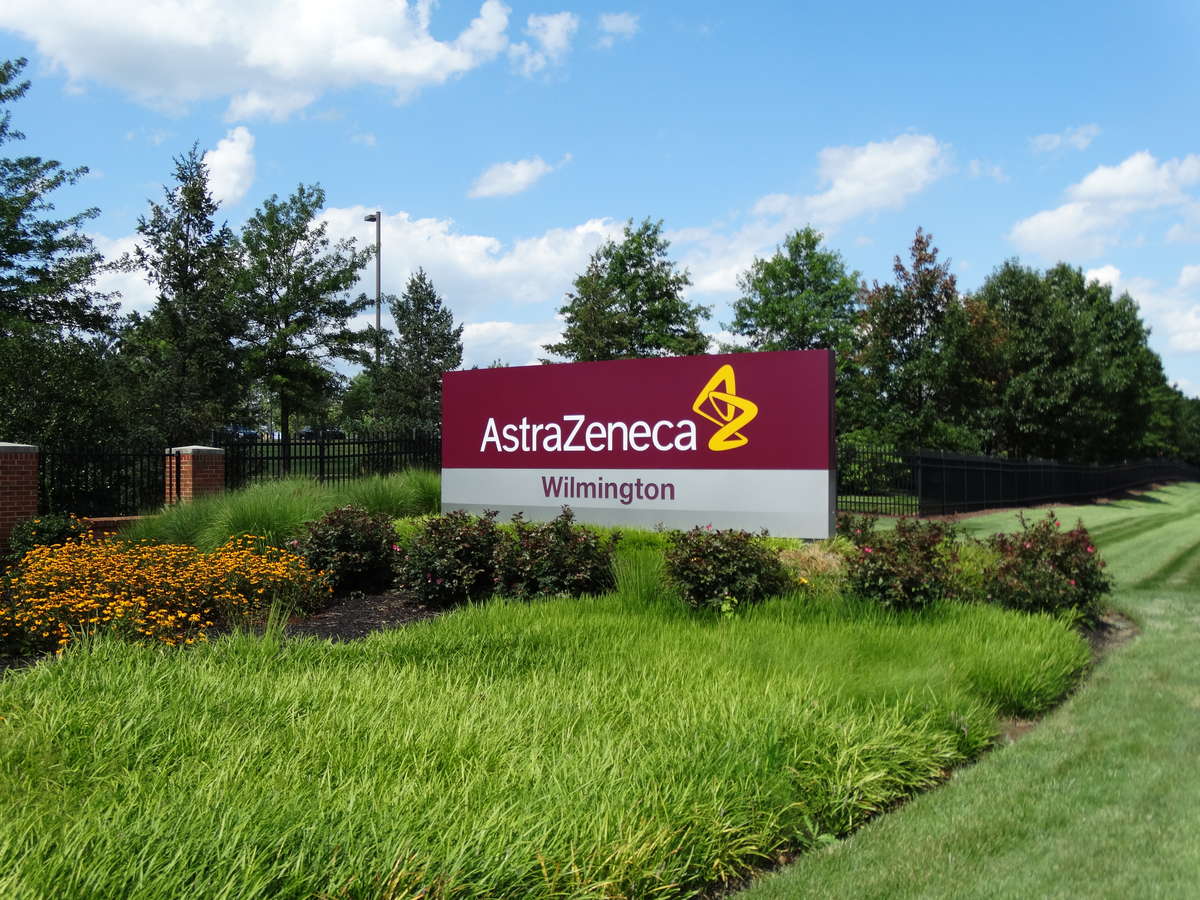
The purpose of the duplicate, randomized, double-blind KALOS and LOGOS trials was to examine Breztri as a possible asthma medication.
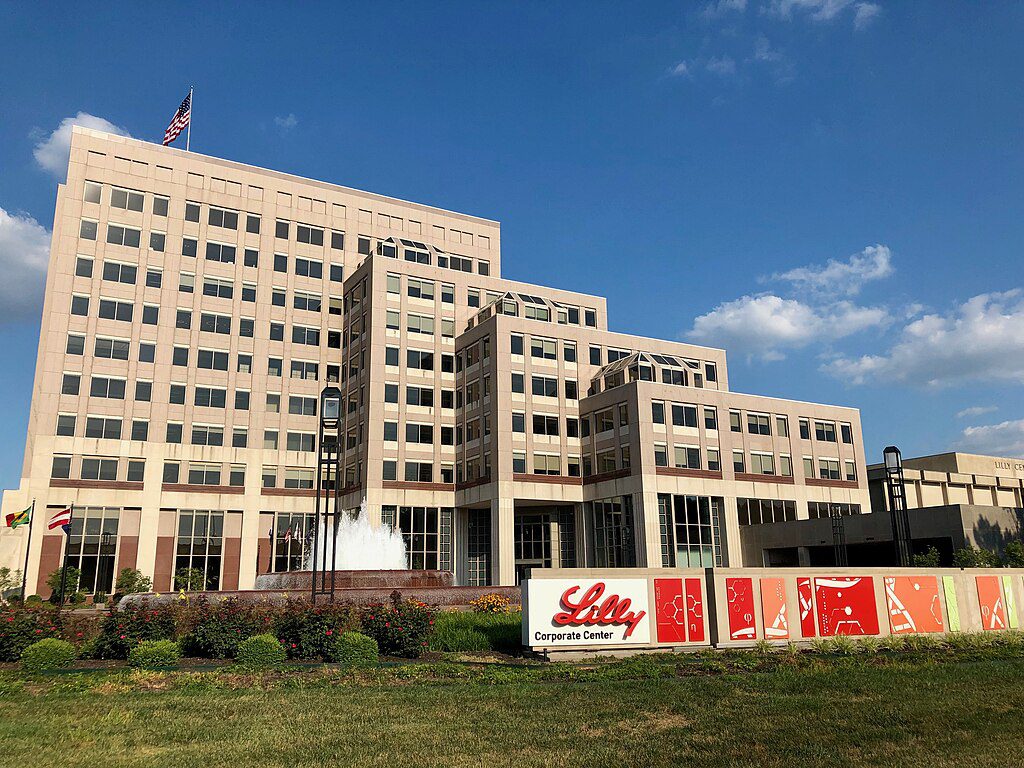
Revenue reached $12.73 billion, a substantial 45% increase year-over-year, primarily fueled by strong volume growth from Mounjaro and Zepbound.
IMAAVY demonstrated a swift and significant decrease in IgG levels, a primary driver of gMG, in key adult and pediatric trials.
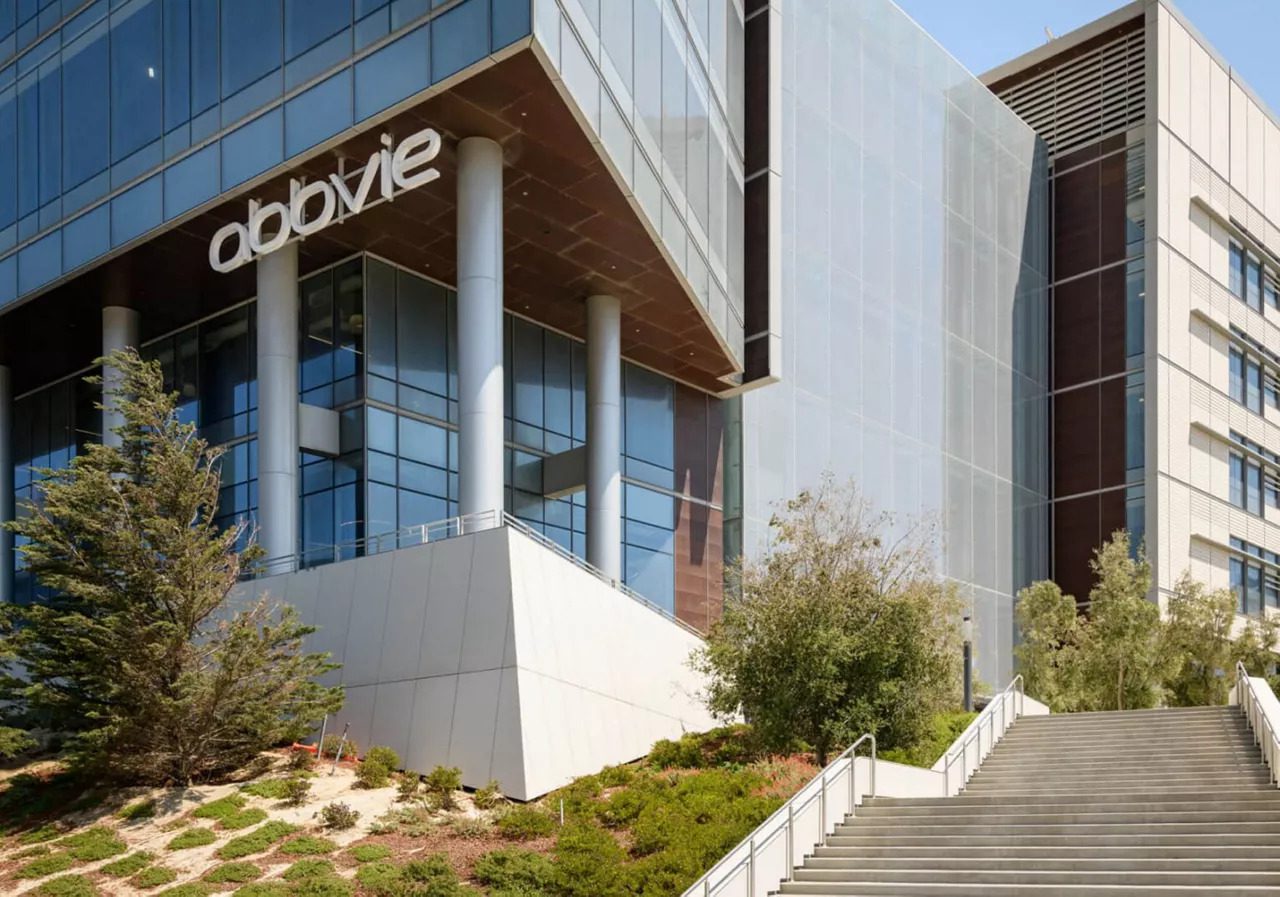
Adult GCA can now be treated with RINVOQ (upadacitinib), the first and only oral Janus Kinase (JAK) inhibitor authorized for this purpose.
The gadget analyzes images using artificial intelligence to achieve a degree of diagnosis accuracy that is not achievable with conventional manual grading techniques.