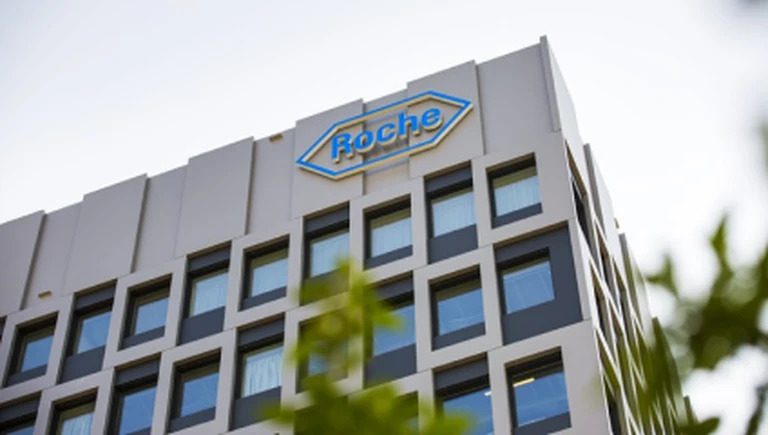
BASEL, Switzerland — November 19, 2025 — Roche announced that their subcutaneous formulation of Lunsumio® (mosunetuzumab) has received conditional marketing authorization from the European Commission. With this new approval, adult patients with refractory or relapsed follicular lymphoma who have received at least two previous systemic therapies can now receive treatment with an injection that takes about a minute, significantly less time than intravenous infusion.
Transforming Patient Experience with Rapid Administration
Convenience and speed are the main benefits of the recently authorised subcutaneous formulation. The subcutaneous form of Lunsumio shortens the infusion time to minutes, whereas the original intravenous (IV) form usually takes two to four hours.
Building on the benefits of its fixed-duration dosing schedule, Lunsumio can now be administered with a one-minute subcutaneous injection, providing people with relapsed or refractory follicular lymphoma an additional treatment option to help meet their individual clinical requirements and lifestyle preferences.
Levi Garraway

Read More: Roche’s Gazyva/Gazyvaro Gets U.S. FDA Approval for Lupus Nephritis Treatment
By freeing up chair time and resources, this development is anticipated to lessen the burden on healthcare systems and patients, who spend less time in clinical settings.
Clinical Data Supports Approval
The Phase I/II GO29781 study’s data served as the foundation for the European Commission’s decision. The study effectively showed that the subcutaneous formulation maintains a similar efficacy and safety profile and is not inferior to the intravenous version in terms of pharmacokinetics, or how the drug passes through the body.
According to the primary analysis of the study:
- High Response Rates: Patients treated with subcutaneous Lunsumio achieved an objective response rate (ORR) of 74.5%, with 58.5% achieving a complete response (CR), meaning no detectable cancer remained.
- Durable Remission: The median duration of complete response was nearly two years (20.8 months).
- Manageable Safety Profile: The most common adverse event was injection-site reactions (60.6%), all of which were mild to moderate (Grade 1-2). Cytokine release syndrome (CRS), a known side effect of immunotherapy, occurred in 29.8% of patients but was generally low-grade and resolved quickly (median of two days).

MSD Oncology Pipeline Advances With First Phase 3 Data for Intismeran Autogene Plus KEYTRUDA and Sacituzumab Tirumotecan
The Merck oncology pipeline will present first-time Phase 3 results for intismeran autogene plus KEYTRUDA, sacituzumab tirumotecan and KEYTRUDA monotherapy in Madrid from Oct. 23-27, […]



A Recurring Challenge: Follicular Lymphoma
Follicular lymphoma is the most common slow-growing form of non-Hodgkin lymphoma, affecting over 110,000 people globally each year. While the disease often responds well to initial treatment, it is characterized by a pattern of remission and relapse, becoming progressively harder to treat with each return.
Lunsumio, a CD20xCD3 T-cell engaging bispecific antibody, works by targeting two different cells simultaneously: malignant B-cells (via CD20) and the patient’s own T-cells (via CD3). This mechanism redirects the immune system to engage and eliminate the cancer cells.
Last Modified: