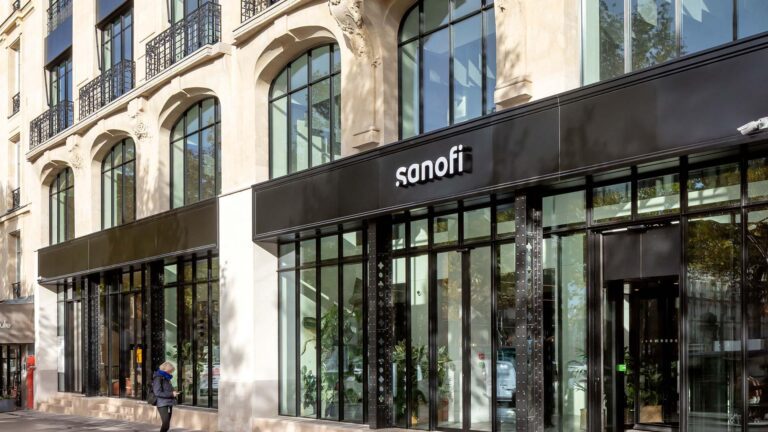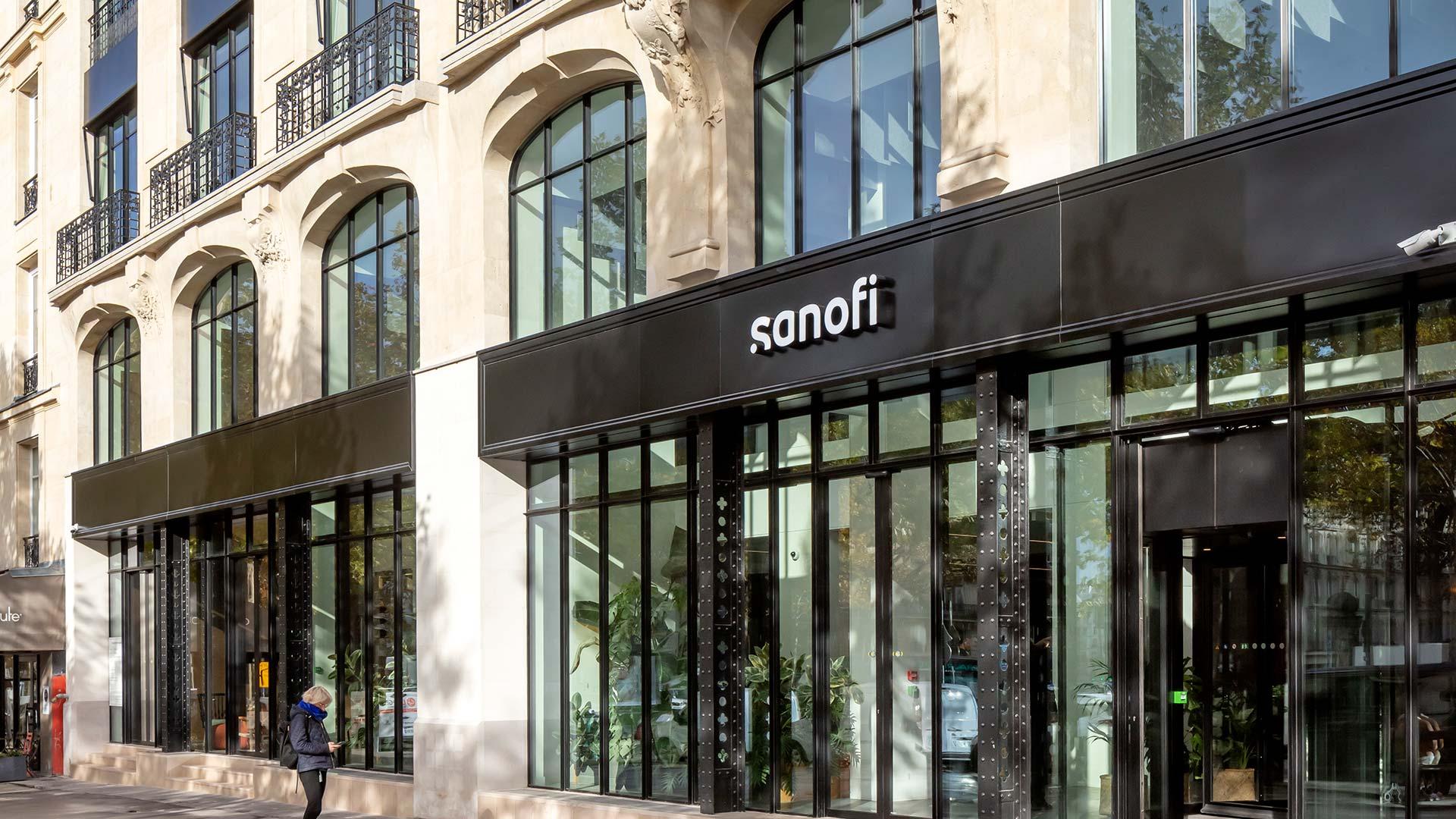
The Sanofi Insmed acquisition was announced from Paris on November 24, 2026, when Sanofi said it had agreed to buy Insmed Incorporated, a publicly traded, US-based global biopharmaceutical company. Insmed markets two medicines and is advancing a pipeline that Sanofi describes as promising and innovative. The transaction is intended to broaden Sanofi’s presence in respiratory diseases, where, according to the company, significant unmet patient need remains.
Sanofi will pay $175 per share in cash, which the company puts at a total equity value of about $41.0 billion, or €37.6 billion. Sanofi expects the transaction to be accretive to business earnings per share by the end of 2028. The boards of directors of both companies have approved the agreement, and closing is expected in the first half of 2027, subject to conditions.
Sanofi Chief Executive Officer Belen Garijo called the move a “major strategic step” for growth and pipeline strength. Insmed Chair and Chief Executive Officer Will Lewis said the deal delivers “immediate, certain cash value” to Insmed shareholders. Both executives framed the Sanofi Insmed acquisition as a way to bring therapies to more patients around the world.
Sanofi describes itself as an R&D driven, AI-powered biopharma company listed on EURONEXT under SAN and on NASDAQ under SNY. Insmed calls itself a people-first global biopharmaceutical company focused on first- and best-in-class therapies for serious diseases. For readers tracking pharma deal activity, the Sanofi Insmed acquisition pairs a group built on immune system science with a specialist in chronic lung disease.
Why the Sanofi Insmed Acquisition Matters for Sanofi’s Respiratory and Rare Disease Strategy
Sanofi says Insmed complements its immunology and rare disease portfolio and builds on its longstanding experience in both areas. The company said it gains access to two first-in-disease commercialized products and pipeline assets, which it expects to strengthen its mid- to long-term growth outlook and its position in respiratory medicine.
The acquisition also brings earlier-stage programs and research capabilities across immunology and rare diseases. Sanofi states that these reinforce its own innovation and immunology capabilities globally. According to the press release, the Sanofi Insmed acquisition combines Insmed’s portfolio and scientific expertise with Sanofi’s global reach, which is expected to expand access to respiratory medicines and support the rebuild of Sanofi’s pipeline.
Insmed describes its commercial portfolio and clinical pipeline as organized around three therapeutic areas: Respiratory, Immunology and Inflammation, and Neuro and Other Rare. Its research engine is advancing gene therapy, AI-driven protein engineering, RNA end-joining and synthetic rescue. The company is headquartered in Bridgewater, New Jersey, with offices and research locations across the United States, Europe and Japan.
Brinsupri, Arikayce and TPIP: The Assets Behind the Sanofi Insmed Acquisition
Brinsupri (brensocatib) is a once-daily, oral, reversible inhibitor of dipeptidyl peptidase 1 (DPP1) approved in the US, EU, UK and Japan for non-cystic fibrosis bronchiectasis (NCFB). Sanofi calls it the first and only approved NCFB treatment and a first-in-class DPP1 inhibitor targeting neutrophilic inflammation. Following its US launch in August 2025, Brinsupri generated $1.09 billion in revenue through September 30, 2026, which Sanofi says marks blockbuster status.
Arikayce (amikacin liposome inhalation suspension), the second commercial product in the Sanofi Insmed acquisition, is an inhaled antibacterial used with multidrug therapy for certain adults with mycobacterium avium complex (MAC) lung disease. Sanofi reports Arikayce revenues of $433.8 million in 2025, representing 19% annual growth. The US Food and Drug Administration accepted an Arikayce application under priority review in September, according to the release.
The third asset, treprostinil palmitil inhalation powder (TPIP), is a once-daily inhaled prostanoid being developed for pulmonary hypertension and fibrotic lung disease. Its phase 3 program includes PALM-PAH, PALM-ILD and PALM-PPF, and a phase 3 study in idiopathic pulmonary fibrosis is planned to start in the first half of 2027. Sanofi says TPIP could become a growth driver beyond 2030, a forward-looking view that depends on clinical development, regulatory approvals and commercial execution. TPIP is not approved for any indication in any jurisdiction.
Deal Terms, Financing and Timeline of the Sanofi Insmed Acquisition
Under the merger agreement, Sanofi will purchase all outstanding Insmed shares at $175 each in cash. Sanofi plans to fund the transaction through a combination of debt financing and cash on hand and says it has secured committed financing. The company expects the combined group’s cash generation to support rapid deleveraging.
Sanofi says it will maintain a conservative financial policy, keep flexibility to invest in early-stage business development and M&A, maintain its progressive dividend and expect a strong credit rating after the transaction. The company also said the proposed deal is not expected to affect its 2026 financial guidance. These statements are forward-looking and carry the risks Sanofi lists in its disclosure.
Closing requires approval from Insmed shareholders, receipt of US and certain non-US regulatory approvals and other customary conditions. Sanofi expects completion in the first half of 2027 and hosted an investor webcast at 1400 CET, 8 a.m. ET, on announcement day. The Sanofi Insmed acquisition therefore remains pending, and the release does not disclose a premium, termination fee or break-up terms.
Safety, Patient Populations and Risks to Watch in the Sanofi Insmed Acquisition
Insmed estimates about 500,000 diagnosed NCFB patients in the US, 600,000 across France, Germany, Italy, Spain and the UK combined, and 150,000 in Japan, though only some are eligible under current labels. For MAC lung disease, Insmed estimates 95,000 to 115,000 diagnosed patients in the US. These are diagnosed populations, not eligible populations.
Brinsupri is associated with dermatologic adverse reactions, including rash, dry skin and hyperkeratosis, and with gingival and periodontal adverse reactions. Patients should be monitored for new skin conditions and receive regular dental care, and live attenuated vaccines should be avoided. Arikayce carries a US boxed warning for increased respiratory adverse reactions.
Arikayce’s US indication was approved under the accelerated approval pathway based on sputum culture conversion, and clinical benefit has not yet been established. Sanofi’s risk factors include missing shareholder or regulatory approvals, competing offers, integration difficulty and US drug pricing pressure, including “most favored nation” pricing. Readers can follow the Sanofi Insmed acquisition through Sanofi’s investor relations page and official filings.
Sanofi Insmed Acquisition Deal Terms
| Parameter | Detail |
|---|---|
| Announcement date | November 24, 2026 (Paris) |
| Acquirer | Sanofi (EURONEXT: SAN; NASDAQ: SNY) |
| Target | Insmed Incorporated (Bridgewater, New Jersey) |
| Price per share | $175 in cash |
| Total equity value | About $41.0 billion / €37.6 billion |
| Financing | Debt financing and cash on hand; committed financing secured |
| EPS impact | Expected accretive to business EPS by end of 2028 |
| Expected closing | First half of 2027 |
| Effect on 2026 guidance | Not expected to have any impact |
| Board approval | Approved by both boards |
| Premium to prior close | Not disclosed |
| Termination fee | Not disclosed |
Assets Included in the Sanofi Insmed Acquisition
| Asset | Type | Status per Source | Disclosed Financials or Milestones |
|---|---|---|---|
| Brinsupri (brensocatib) | Oral, once-daily DPP1 inhibitor | Approved in US, EU, UK, Japan for NCFB | $1.09 billion revenue through Sept 30, 2026; US launch August 2025 |
| Arikayce (amikacin liposome inhalation suspension) | Inhaled liposomal antibacterial | Approved in US, EU, Japan for MAC lung disease | $433.8 million revenue in 2025 (+19%); FDA priority review accepted September |
| TPIP (treprostinil palmitil inhalation powder) | Inhaled prostanoid prodrug | Phase 3; not approved anywhere | Phase 3 trials PALM-PAH, PALM-ILD, PALM-PPF; IPF phase 3 planned H1 2027 |