Latest findings show the clues for the ageing immune system
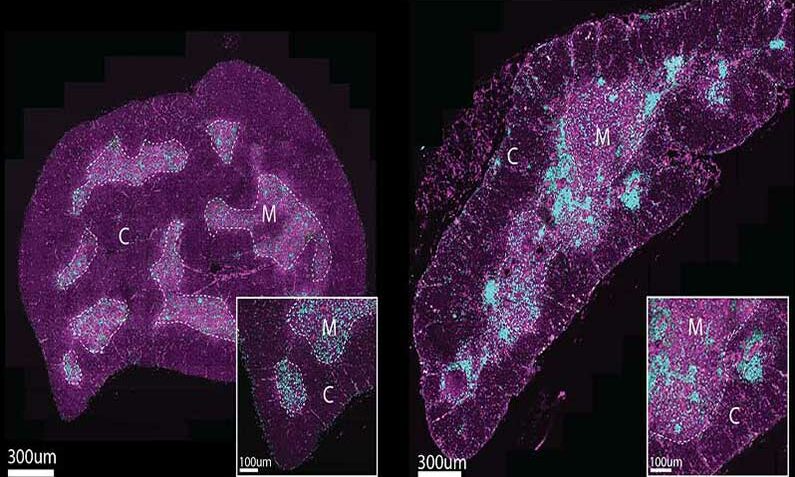
One of the curious features of the thymus, however, is that it serves as the very first organ in our body to become small with age.
One of the curious features of the thymus, however, is that it serves as the very first organ in our body to become small with age.
New findings out of Emory University are shaking theories of the origin of Alzheimer’s the leading cause of dementia among older adults worldwide.
The first study in the world, conducted recently at the University of Eastern Finland, demonstrates that even in those with a high hereditary risk, type [Read More…]
Ever since the double helix was discovered, researchers have worked to decipher the information contained inside DNA.
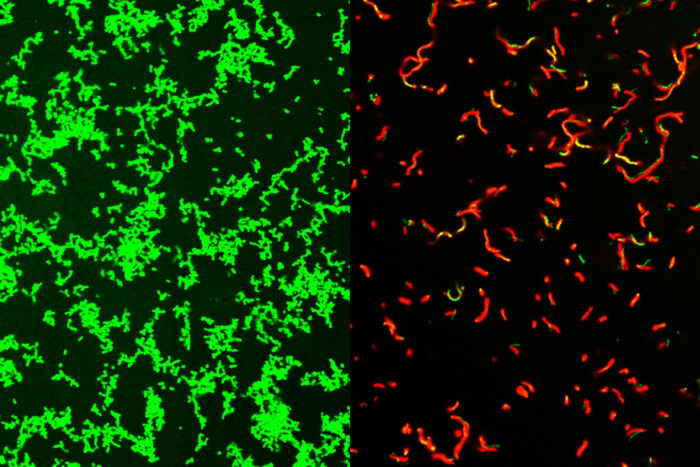
A new compound created by researchers at Washington University School of Medicine in St. Louis successfully cures bacterial infections in mice, including those that can cause [Read More…]
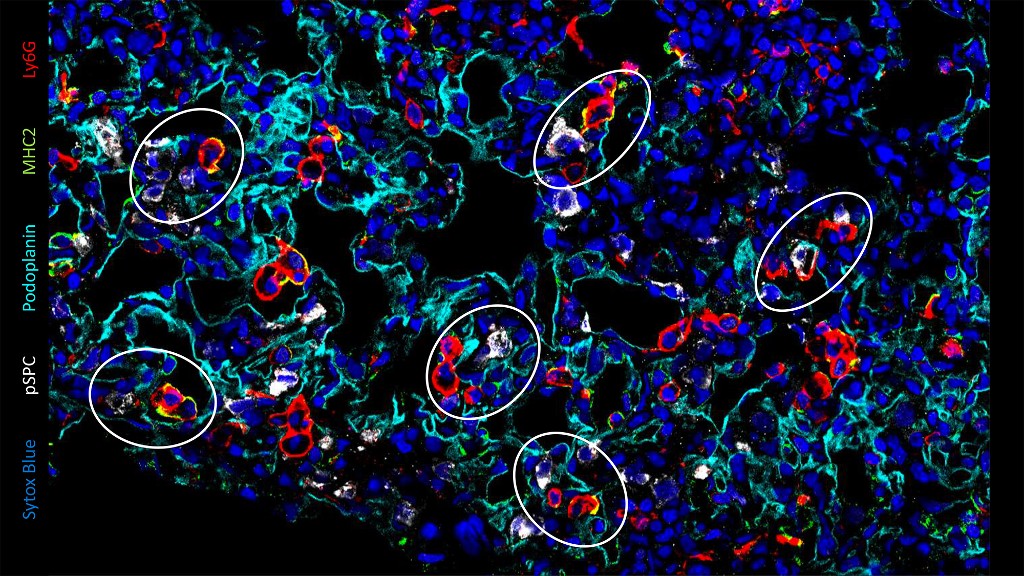
Although macrophages are widely recognized for their participation during the acute phase of respiratory viral infections, less is known about their activity during the post-inflammatory phase.
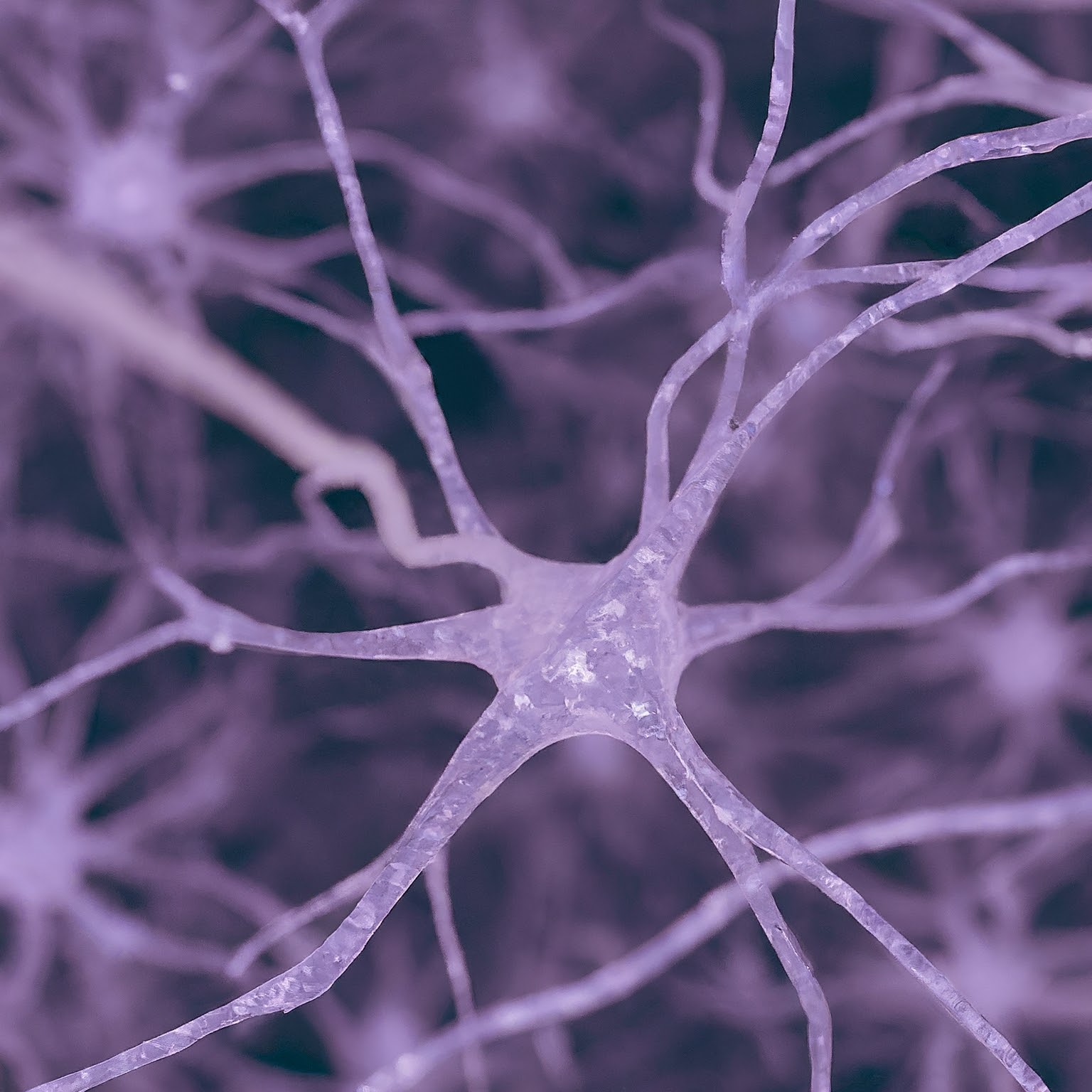
Alzheimer’s disease, frontotemporal dementia, and Parkinson’s disease are among the neurodegenerative diseases that are characterized by the buildup of abnormal proteins.
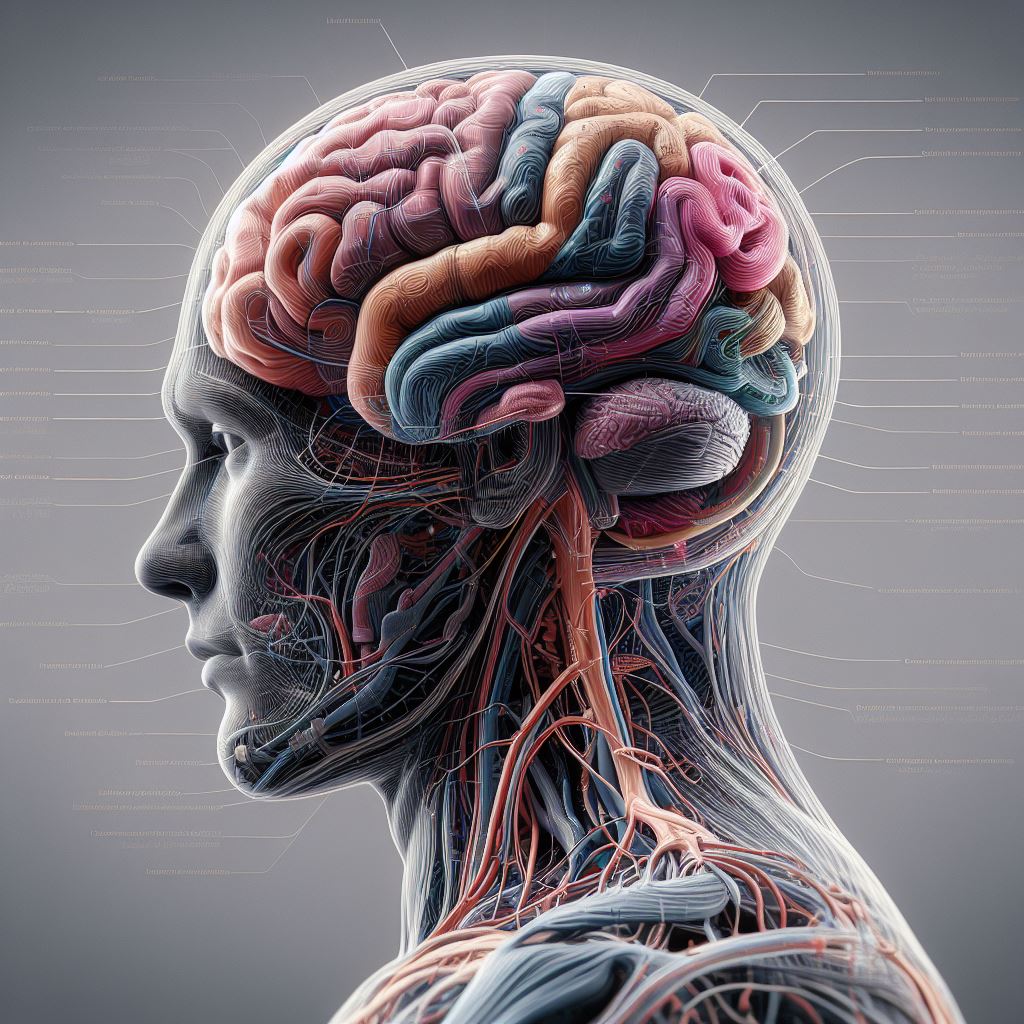
The researchers then demonstrated that specific neurons and synapses along this pathway are highly activated when mice expect and experience pain relief, even in the absence of medication.
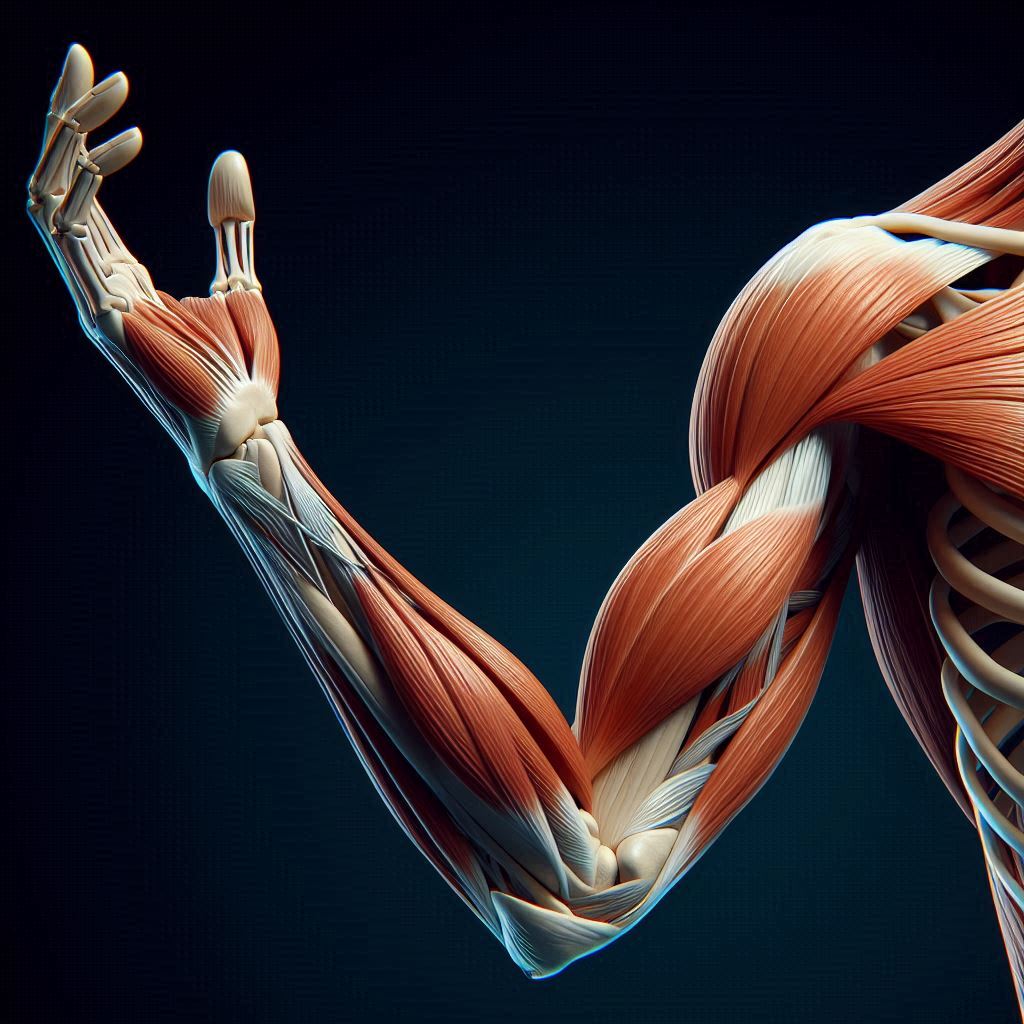
During the process of embryonic development, hundreds of specialized cells known as myoblasts fuse to become skeletal muscles.

Six out of eleven nonhuman primates who received an inoculation against the 1918 flu virus, which was prevalent a century ago, reportedly withstood exposure to H5N1, one of the worst viruses now circulating in the globe. On the other hand, six uninfected monkeys in the control group that were infected with the H5N1 virus died from the illness.