Researchers uncovered the DNA mechanisms of rare genetic diseases

Genetic illnesses arise from alterations or mutations in DNA that impair regular biological processes.
Genetic illnesses arise from alterations or mutations in DNA that impair regular biological processes.

Non-enveloped viruses, such as enteroviruses connected to the common cold, can survive for weeks, sometimes even after surfaces are cleaned.

A diagnosis of the underlying pathology is required for the development of therapies and for stratifying patients according to their disease.

The discovery, made in the lab of David Liu, a member of the Broad Core Institute, may one day aid in developing a single gene treatment for illnesses like cystic fibrosis.
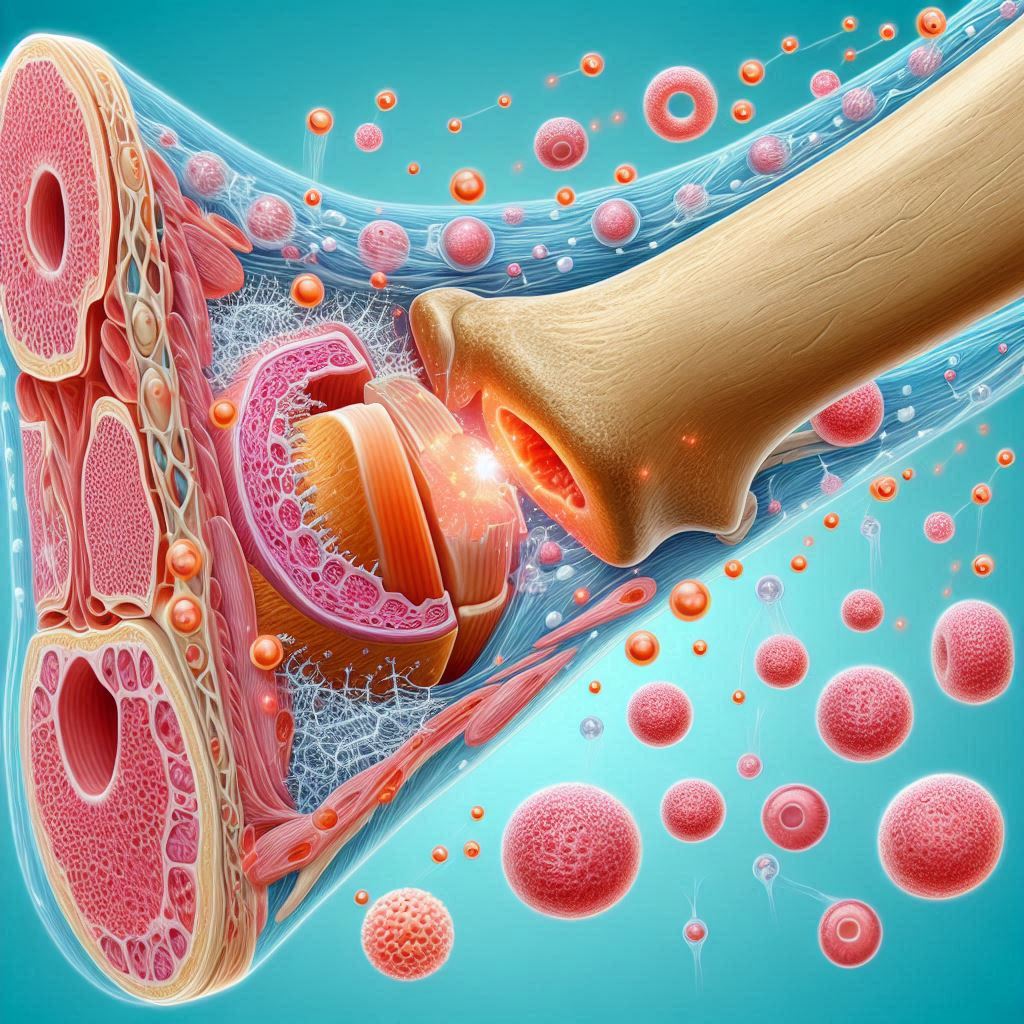
Growth factor treatments are a potential means of assisting patients in healing by enhancing their body’s natural processes of regeneration.

The researchers concentrated on unique tiny RNA molecules found in sperm that are referred to be mitochondrial tRNA fragments.
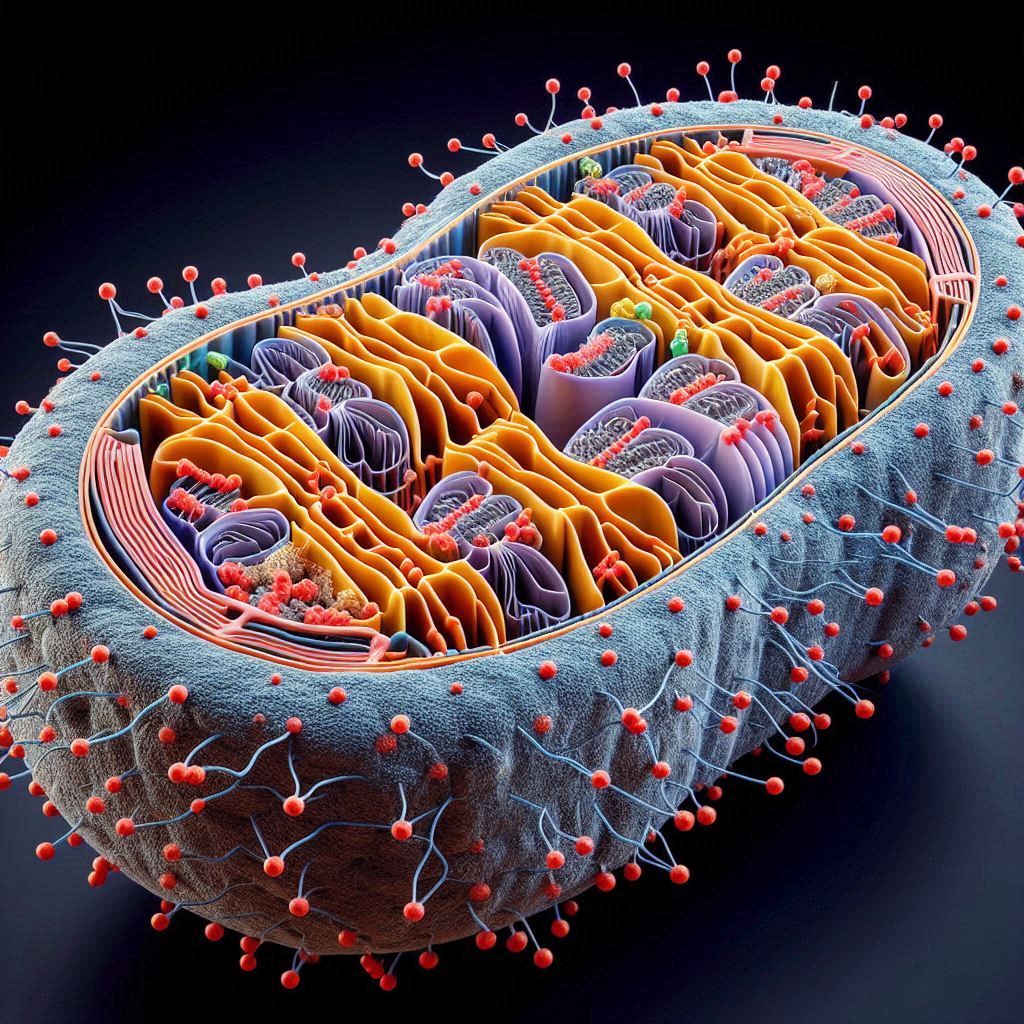
By combining two microscopy techniques single-particle analysis and cryo-electron tomography, or cryo-ET researchers created a unique imaging method for visualizing mitochondria from animal models.

The first and co-corresponding author of the research, Julia Aguade Gorgorio, used sequencing data analysis to discover genes that are silenced when blood stem cells are put in a lab dish.
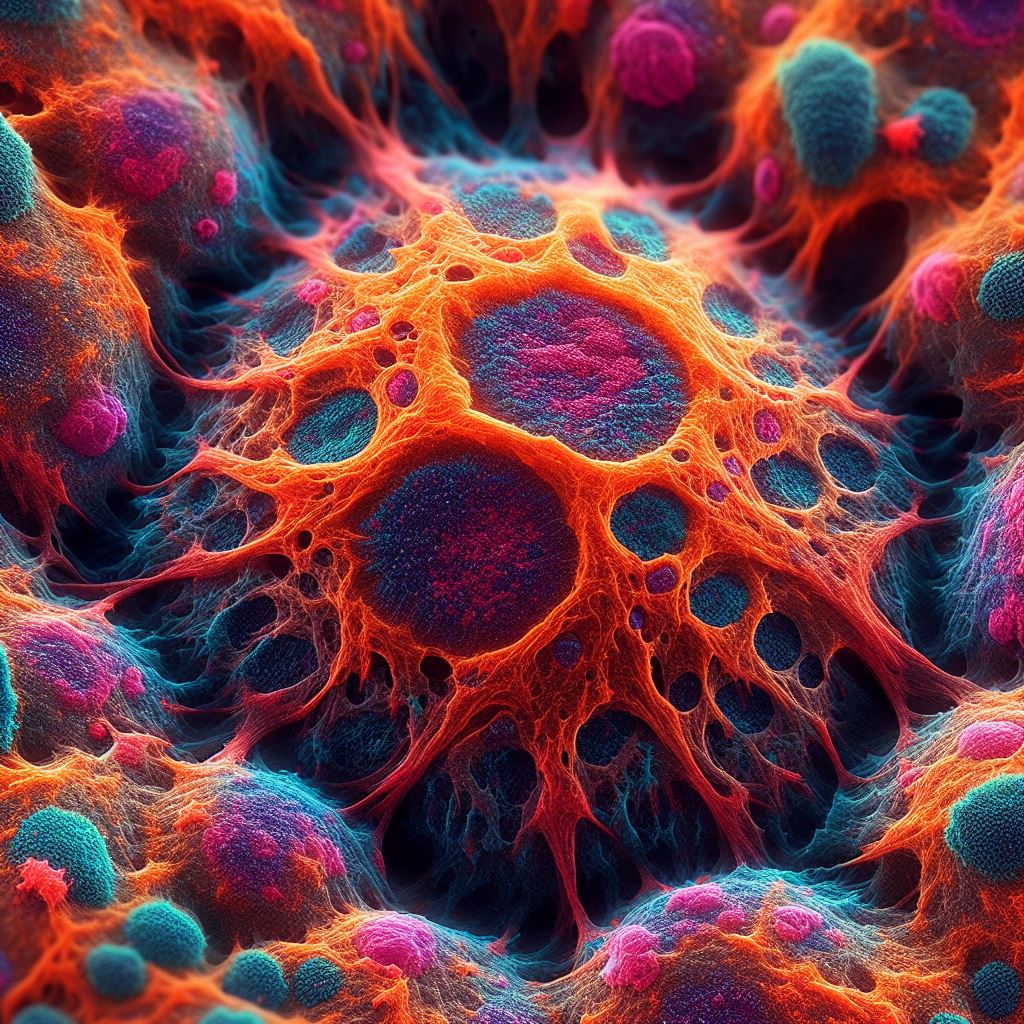
The researchers discovered that a statin called pitavastatin efficiently decreases IL-33 expression by preventing the activation of the TBK1-IRF3 signalling pathway.

22 patients at the University Hospital Vienna and Charité –Universitätsmedizin Berlin who were diagnosed with antibody-mediated rejection (AMR) after a kidney transplant