Blocking the DNA triplication by a newly discovered protein
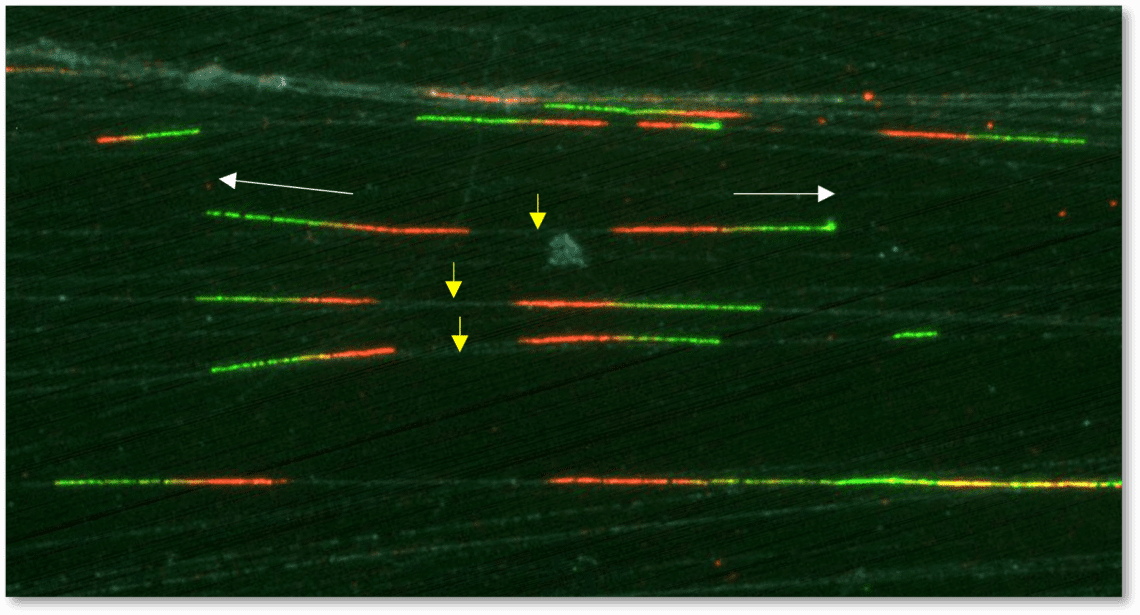
This is a previously unidentified natural “anti-failure” mechanism in the DNA replicating process.
This is a previously unidentified natural “anti-failure” mechanism in the DNA replicating process.

Researchers employ MRI to demonstrate how placental health may affect a child’s behaviour and cognitive development.

A recent study in mice co-led by a researcher from Moorfields and UCL suggests that gut bacteria may be the cause of sight loss in certain hereditary eye illnesses, and that antimicrobials may be able to cure the condition.

A drug that attaches itself to antibodies that cause allergies can save kids from harmful responses when they unintentionally consume foods that cause allergies.

This is the first time that this particular strategy is being applied to develop antibodies for snakebite treatment.

The utilisation of fructose by cells for energy may now be mapped, thanks to a novel radiotracer termed [18F]4-FDF, which was created by researchers at the [Read More…]
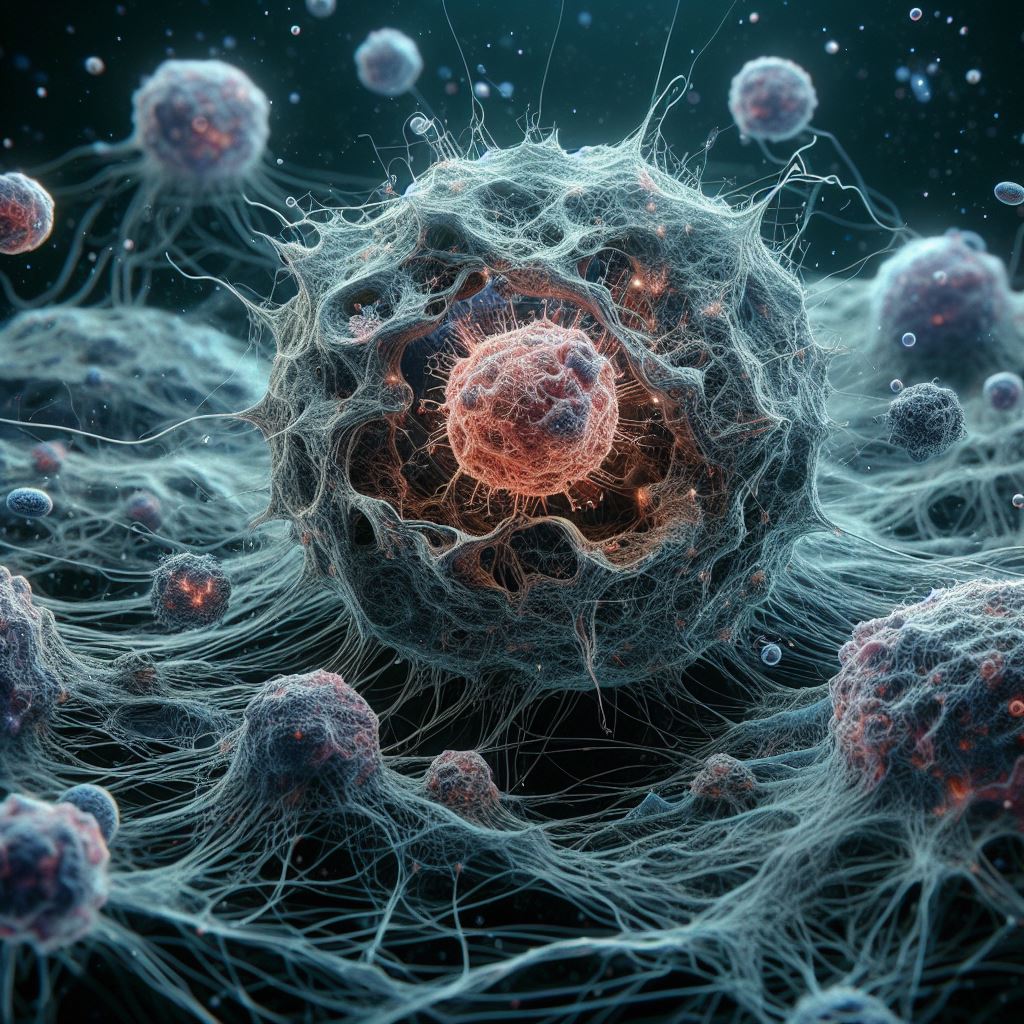
A recent study sheds light on why leukaemic stem cells that were spared from chemotherapy go on to proliferate and develop into AML cells after treatment.
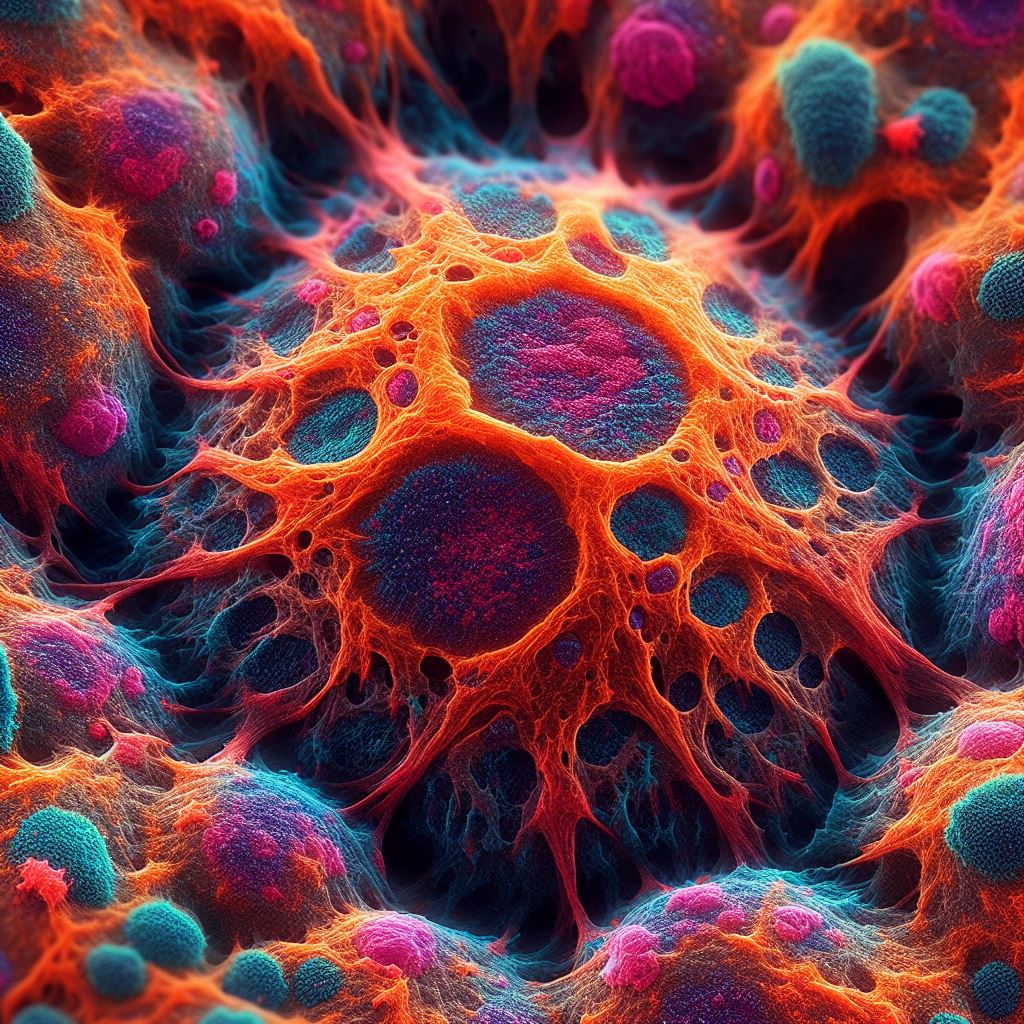
Through examining mutations in lymphoma-causing malignant T cells, scientists identified one that gave modified T cells extraordinary power.

With focused ultrasound, a tiny spot is exposed to a narrow band of sound waves using the same technique used to observe an embryo in the womb.
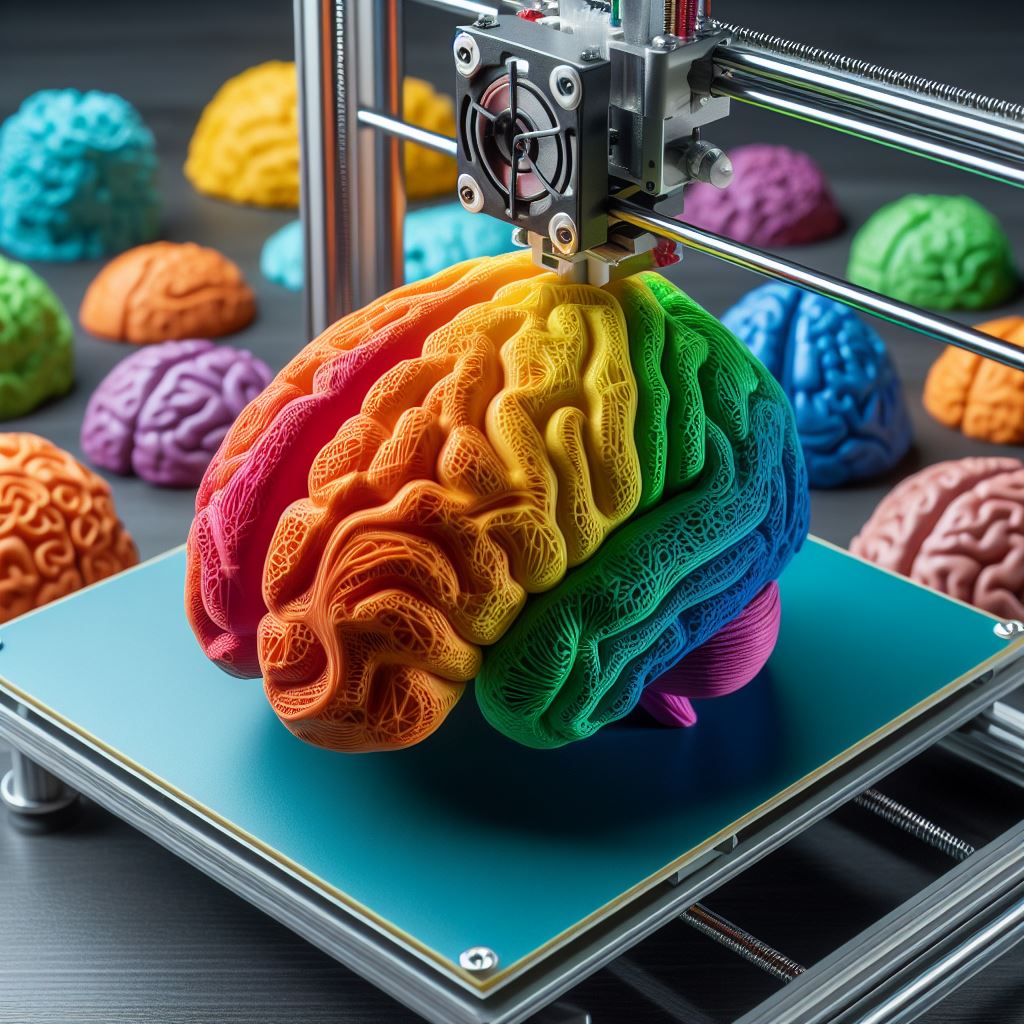
This accomplishment has significant ramifications for researchers researching the brain and developing therapies for a variety of neurological and neurodevelopmental conditions