Johnson & Johnson RYBREVANT Amivantamab NSCLC Regimen Delivers Longest Reported Survival in EGFR Exon 20 Lung Cancer

Johnson & Johnson Company Information

Final PAPILLON trial results show Johnson & Johnson’s RYBREVANT (amivantamab-vmjw) plus chemotherapy achieved a 34.3-month median overall survival in EGFR exon 20 insertion-positive NSCLC — the longest reported to date in this historically hard-to-treat population.

Roche Tam-Peli SCLC Data Show 54% Reduction in Death Risk in Phase III TAISHAN-302 Trial

Roche News
Roche News

Roche’s collaborator MediLink reported phase III TAISHAN-302 data showing Tam-Peli (tambotatug pelitecan) reduced the risk of death by 54% versus topotecan in Chinese patients with relapsed small-cell lung cancer, meeting its primary endpoint with a favorable safety profile.

AstraZeneca Zegfrovy Deal: AstraZeneca Licenses Dizal’s Oral EGFR Inhibitor for Lung Cancer in Up to $1.5 Billion Agreement

AstraZeneca Information

AstraZeneca has secured exclusive worldwide rights to Zegfrovy (sunvozertinib), Dizal Pharmaceutical’s oral EGFR inhibitor for EGFR exon 20 insertion non-small cell lung cancer, in a deal worth up to $1.5 billion. The agreement strengthens AstraZeneca’s EGFR-mutated lung cancer portfolio ahead of potential first-line expansion.

Johnson & Johnson Presents Historic Survival Metrics with Rybrevant for Atypical EGFR-mutated NSCLC

Johnson & Johnson Company Information

Updated data from the CHRYSALIS-2 study reveals that Johnson & Johnson’s RYBREVANT® plus LAZCLUZE® combination achieves a historic median overall survival of 41.0 months as a first-line therapy for atypical EGFR-mutated advanced non-small cell lung cancer.

Lilly’s Retevmo Shows Substantial Survival Benefit in Early-Stage Lung Cancer Trial

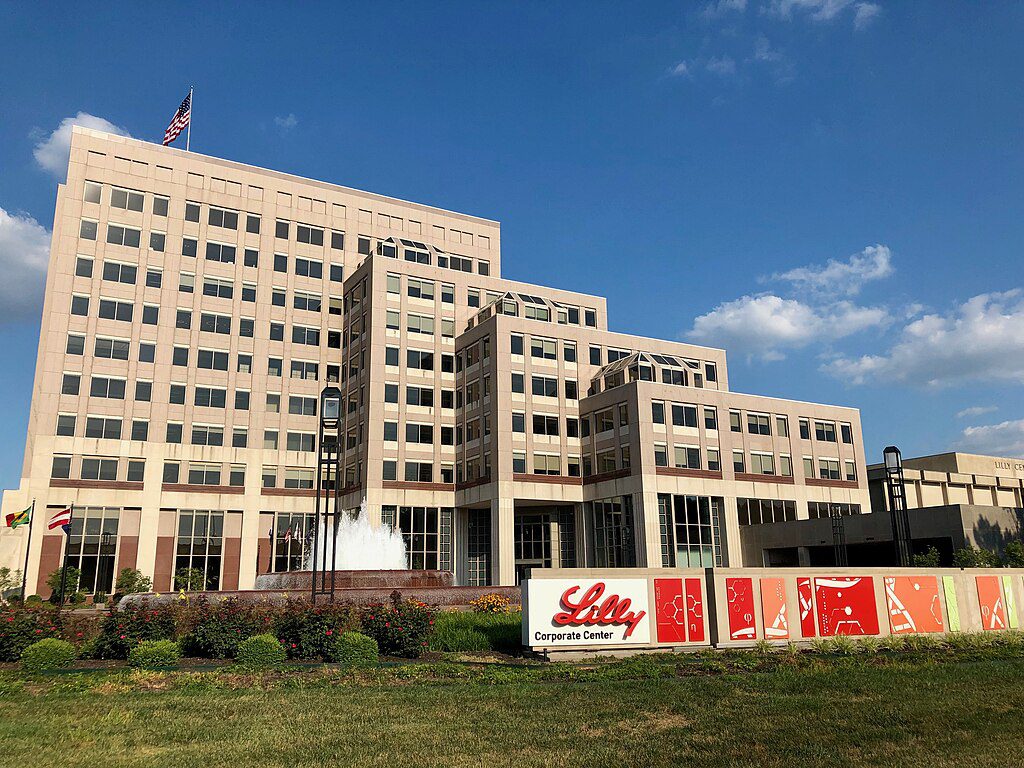
Eli Lilly and Company

Eli Lilly’s Retevmo (selpercatinib) has shown promising results as an adjuvant therapy for early-stage lung cancer. The Phase 3 LIBRETTO-432 trial revealed that Retevmo adjuvant therapy significantly reduced the risk of disease recurrence or death in patients with RET fusion-positive non-small cell lung cancer (NSCLC), marking a breakthrough for this rare molecular subtype affecting 1-2% of lung cancer cases.