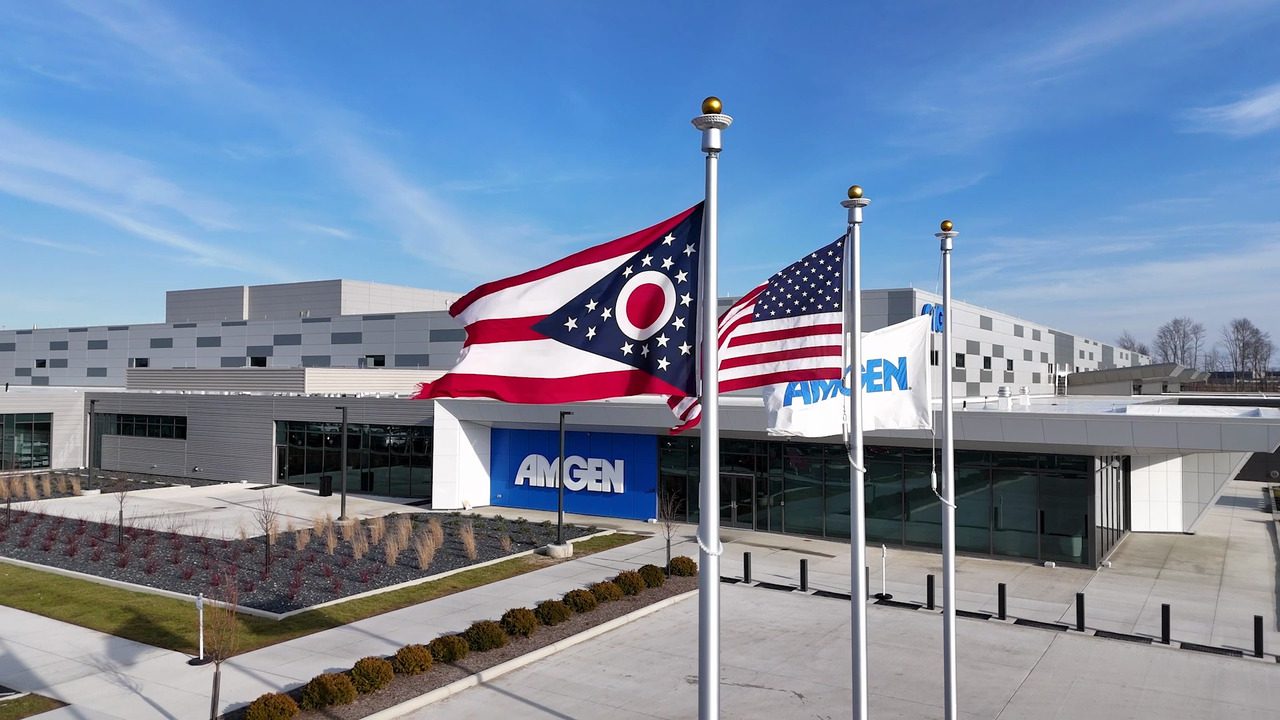
The approved use of Amgen’s Repatha (evolocumab) has been extended by the U.S. Food and Drug Administration (FDA) to people who are more susceptible to major adverse cardiovascular events (MACE) as a result of uncontrolled low-density lipoprotein cholesterol (LDL-C), also referred to as “bad cholesterol.” This ruling makes the preventative treatment available to a larger community by eliminating the earlier condition that a patient has a prior diagnosis of cardiovascular disease.
Repatha’s expanded indication is intended to lower the risk of MACE, which encompasses coronary revascularization, myocardial infarction (heart attack), stroke, unstable angina necessitating hospitalization, and cardiovascular death. For a greater number of at-risk patients who have not been able to control their elevated LDL-C with other lipid-lowering treatments alone, this approval represents a major advancement in the prevention of cardiovascular events.
Read More: Amgen Announces $900 Million Worth Expansion of Manufacturing Facility in the US
Far too many adults at risk of cardiovascular disease are not achieving their LDL-C goals, despite it being one of the most modifiable risk factors for a heart attack or stroke,
This label update highlights the real-world need for additional treatment options for at-risk patients. Repatha is an effective therapy for reducing LDL-C, particularly in patients whose disease remains uncontrolled with statins or who cannot tolerate them.
Murdo Gordon

Repatha’s expanded indication is intended to lower the risk of MACE, which encompasses coronary revascularization, myocardial infarction (heart attack), stroke, unstable angina necessitating hospitalization, and cardiovascular death. For a greater number of at-risk patients who have not been able to control their elevated LDL-C with other lipid-lowering treatments alone, this approval represents a major advancement in the prevention of cardiovascular events.

MSD Oncology Pipeline Advances With First Phase 3 Data for Intismeran Autogene Plus KEYTRUDA and Sacituzumab Tirumotecan
The Merck oncology pipeline will present first-time Phase 3 results for intismeran autogene plus KEYTRUDA, sacituzumab tirumotecan and KEYTRUDA monotherapy in Madrid from Oct. 23-27, […]



Repatha® (evolocumab)
A human monoclonal antibody called Repatha prevents proprotein convertase subtilisin/kexin type 9 (PCSK9) from working. By attaching itself to PCSK9, Repatha stops circulating PCSK9 from attaching to the low-density lipoprotein (LDL) receptor (LDLR). This stops PCSK9 from degrading LDLR and allows LDLR to return to the liver cell surface. Repatha lowers LDL-C levels by increasing the amount of LDLRs available to remove LDL from the blood by blocking PCSK9’s binding to LDLR. For 15 years, 50 clinical trials involving more than 57,000 patients have examined the safety and therapeutic advantages of Repatha.
Last Modified: