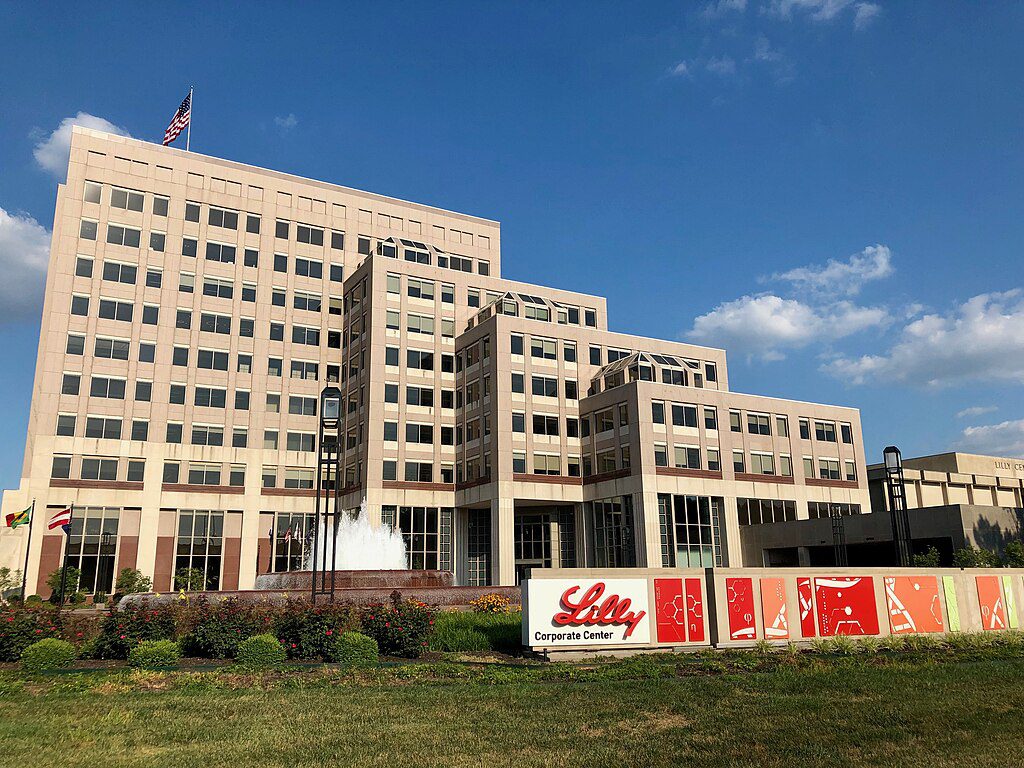
The U.S. Food and Drug Administration (FDA) approved Omvoh (mirikizumab-mrkz) as a once-monthly maintenance regimen for individuals with moderately to highly active ulcerative colitis (UC), according to a statement released today by Eli Lilly and Company (NYSE: LLY).
For patients on maintenance therapy, this approval greatly streamlines the therapeutic process. The previously authorised maintenance dose of two distinct 100 mg/1 mL injections has been replaced by a single 200 mg/2 mL subcutaneous injection under the revised regimen.
In early 2026, patients in the United States will be able to obtain this streamlined, citrate-free maintenance dose in a prefilled pen or syringe.
Read More: Lilly’s Omvoh Shows Sustained, Long-Term Efficacy in Ulcerative Colitis and Crohn’s Disease

About the Omvoh Treatment Regimen
Omvoh is an antagonist of interleukin-23p19 (IL-23p19) that targets an important inflammatory mechanism.
Three intravenous (IV) infusions of 300 mg are given at Weeks 0, 4, and 8 as part of the induction phase of treatment for ulcerative colitis. At Week 12, patients switch to the subcutaneous maintenance therapy, which now entails a single 200 mg self-injection every four weeks, after a successful induction.
At Lilly, we are committed to supporting people living with IBD by delivering meaningful clinical outcomes and continuing to improve their treatment experience,
Building on the introduction of a citrate-free formulation of Omvoh earlier this year, this approval further delivers on our commitment by providing patients the same outcomes in a single-injection maintenance regimen that fits more seamlessly into their lives.
Ashley Diaz-Granados

MSD Oncology Pipeline Advances With First Phase 3 Data for Intismeran Autogene Plus KEYTRUDA and Sacituzumab Tirumotecan
The Merck oncology pipeline will present first-time Phase 3 results for intismeran autogene plus KEYTRUDA, sacituzumab tirumotecan and KEYTRUDA monotherapy in Madrid from Oct. 23-27, […]



Important Safety Information
Upper respiratory infections, injection site responses, joint pain, rash, headaches, and herpes viral infections are the most frequent side effects of Omvoh in people receiving treatment for ulcerative colitis.
Serious adverse effects with Omvoh include infections, liver issues, and severe allergic (hypersensitive) reactions. Healthcare professionals should keep an eye on their patients.
Adults with moderately to severely active Crohn’s disease and moderately to severely active ulcerative colitis can now be treated with Omvoh in the United States. In 45 countries across the world, it has been approved by regulators.
Last Modified: