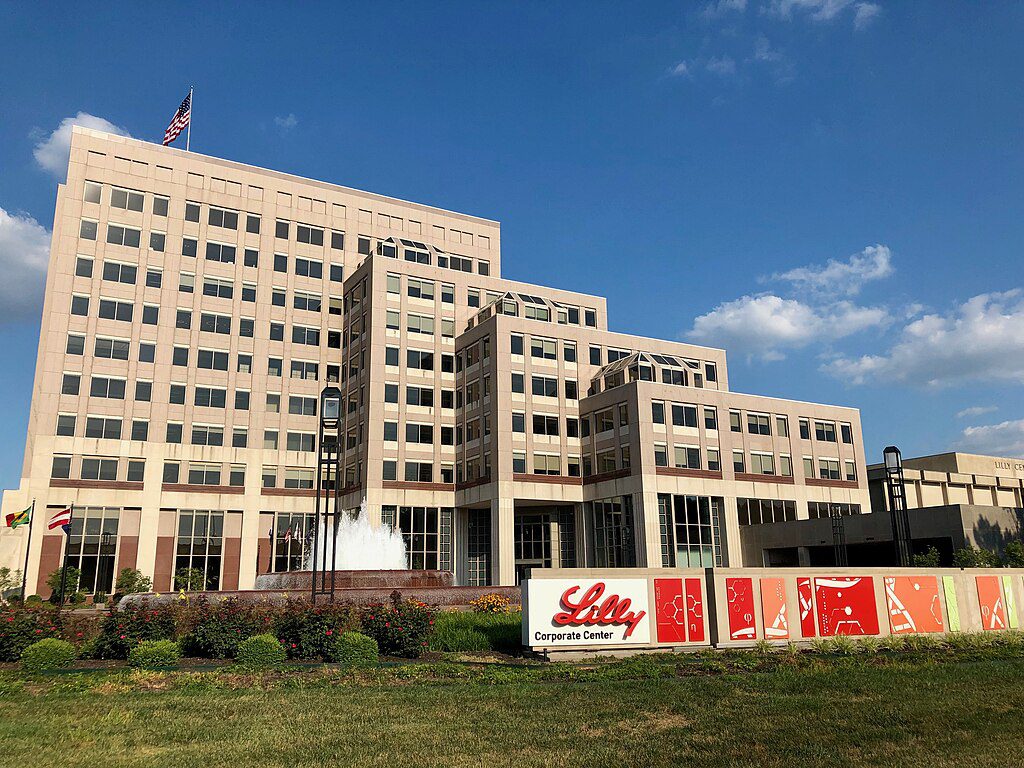
According to new long-term data released by Eli Lilly and Company, patients with moderately to severely active ulcerative colitis (UC) can have sustained, corticosteroid-free remission for up to four years while using Omvoh (mirikizumab-mrkz). This makes Omvoh the first and only antagonist of interleukin-23p19 (IL-23p19) to demonstrate such extensive and long-lasting patient results.
The U.S. Food and Drug Administration (FDA) has approved Omvoh for the treatment of individuals with moderately to highly active Crohn’s disease in addition to its effectiveness in ulcerative colitis. The VIVID-1 study’s encouraging findings, which demonstrated that patients treated with Omvoh had noticeably greater rates of clinical remission and endoscopic response than those treated with a placebo, served as the foundation for this approval. Additional information from the VIVID-2 open-label extension research showed that most patients who received Omvoh continuously for two years experienced endoscopic response and sustained clinical remission.
Read More: Eli Lilly’s Oral Weight-Loss Drug Orforglipron Shows Promising Results in Phase 3 Trial
Ulcerative Colitis (LUCENT-3 Study – 4-Year Data)
Omvoh’s effectiveness in treating individuals with moderately to highly active ulcerative colitis is shown over the long term by data from the LUCENT-3 open-label extension study. After a year of treatment, patients who had experienced clinical remission with Omvoh showed the following outcomes:
- Clinical Remission Without Corticosteroids: At four years, 78% of patients were still in clinical remission without using corticosteroids.
- Over the course of the four years, 78% of patients maintained clinical remission.
- Endoscopic Remission: 81% of patients experienced endoscopic remission, which suggests that the colon lining’s inflammation has significantly decreased.
- Bowel Urgency: 93% of patients experienced a 3-point or higher decrease in bowel urgency on the Urgency Numeric Rating Scale (UNRS), indicating a significant improvement in bowel urgency. Additionally, 74% of patients had a UNRS score of 0 or 1, which denotes little to no urgency in the gut.
- Quality of Life: According to the Inflammatory Bowel Disease Questionnaire (IBDQ), 90% of patients experienced remission, indicating a considerable improvement in their quality of life.
Read More: Lilly’s Mounjaro Shows Promising Results in Teens with Type 2 Diabetes
Crohn’s Disease (VIVID-1 & VIVID-2 Studies – 2-Year Data)
Omvoh’s effectiveness and safety in patients with moderately to highly active Crohn’s disease were assessed by the VIVID program, which included the VIVID-1 and VIVID-2 investigations. Over a two-year span, the research demonstrates consistent efficacy:
- Sustained Clinical Remission: After a year of Omvoh treatment, more than 90% of patients who had achieved clinical remission continued to do so at the two-year mark.
- Sustained Endoscopic Response: Nearly 90% of patients who experienced an endoscopic response with a discernible decrease in intestinal inflammation continued to show it two years later.
Last Modified: