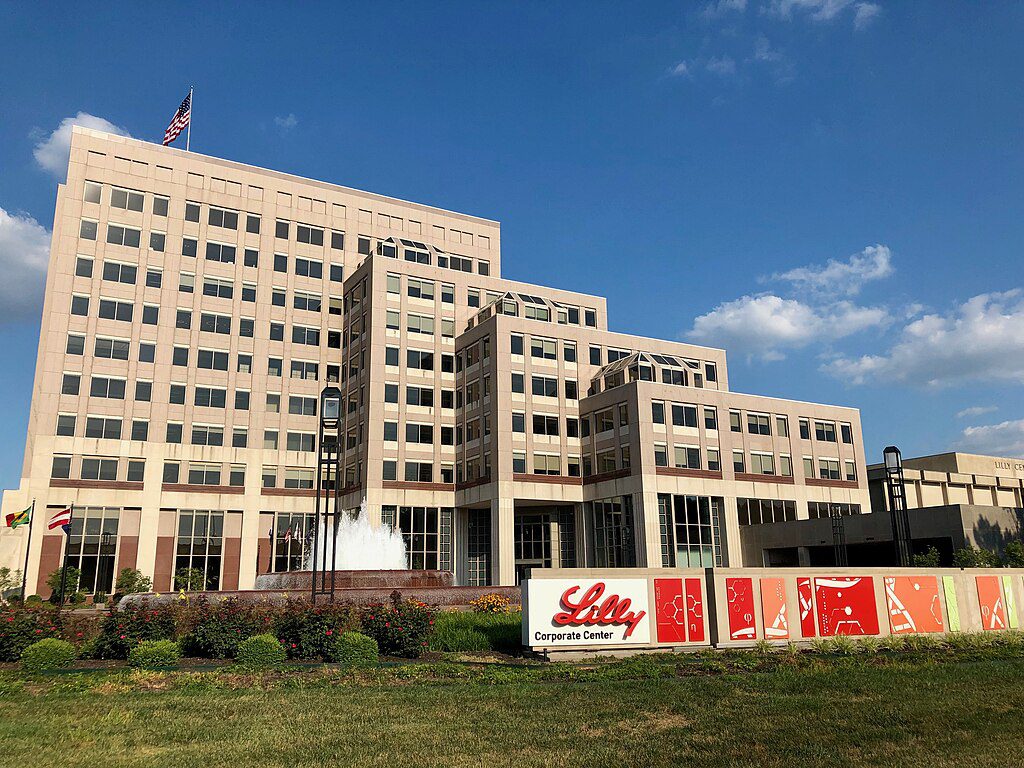
The U.S. Food and Drug Administration (FDA) has granted traditional approval to Eli Lilly and Company’s (NYSE: LLY) Jaypirca® (pirtobrutinib) for an expanded indication, solidifying its position as a critical treatment option for adults with relapsed or refractory chronic lymphocytic leukemia (CLL) or small lymphocytic lymphoma (SLL).
The approval authorizes the use of Jaypirca for patients who have been previously treated with a covalent Bruton’s tyrosine kinase (BTK) inhibitor. This regulatory action is significant as it not only expands the label to include patients earlier in their treatment course, specifically directly after the failure of a covalent BTK inhibitor, but also converts the drug’s December 2023 accelerated approval into a full, traditional approval.
A New Standard for Sequential Therapy
Jaypirca distinguishes itself as the first and only FDA-approved non-covalent (reversible) BTK inhibitor. Unlike covalent BTK inhibitors (such as ibrutinib, acalabrutinib, or zanubrutinib) that permanently bind to the BTK protein, Jaypirca binds reversibly. This unique mechanism allows it to remain effective even in patients who have developed resistance to standard covalent therapies, a common challenge in treating CLL and SLL.
Read More: Eli Lilly Announces Positive Results from Two Phase 3 Studies of Jaypirca at ASH 2025

Clinical Trial Results: The BRUIN CLL-321 Study
The FDA’s decision was based on data from the BRUIN CLL-321 trial, a Phase 3, open-label, randomized study. The trial compared Jaypirca monotherapy to an investigator’s choice of standard combinatorial therapies (idelalisib plus rituximab or bendamustine plus rituximab) in patients who had previously received a covalent BTK inhibitor.
Key findings from the trial include:
- Progression-Free Survival (PFS): Jaypirca demonstrated a statistically significant improvement in PFS, with a median of 11.2 months compared to 8.7 months for the control arm.
- Risk Reduction: The data reflected a 42% reduction in the risk of disease progression or death (Hazard Ratio: 0.58; p=0.0105).
- Study Design: This was the first randomized trial to prospectively study a BTK inhibitor in patients who had already been treated with a covalent BTK inhibitor.

MSD Oncology Pipeline Advances With First Phase 3 Data for Intismeran Autogene Plus KEYTRUDA and Sacituzumab Tirumotecan
The Merck oncology pipeline will present first-time Phase 3 results for intismeran autogene plus KEYTRUDA, sacituzumab tirumotecan and KEYTRUDA monotherapy in Madrid from Oct. 23-27, […]





Safety Profile
The safety profile of Jaypirca in the BRUIN CLL-321 trial was consistent with previous findings. Common adverse reactions included decreased neutrophil count, decreased hemoglobin, fatigue, decreased platelet count, and musculoskeletal pain. The prescribing information includes warnings and precautions for infections, hemorrhage, cytopenias, cardiac arrhythmias, and secondary primary malignancies.
Last Modified: