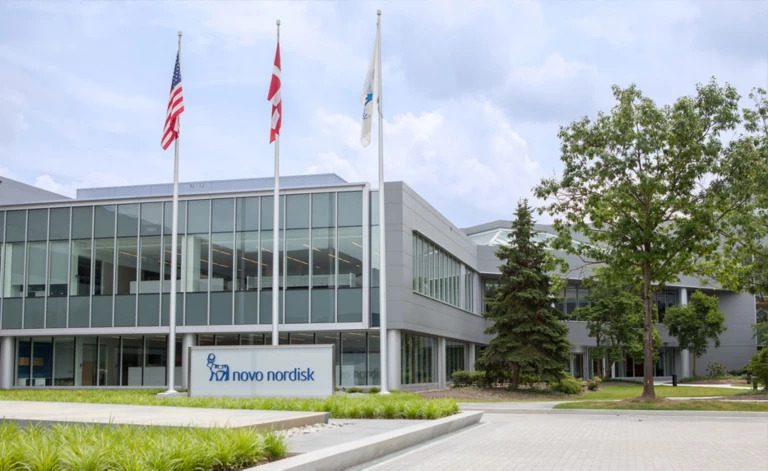
The Novo Nordisk OpenAI partnership was officially announced, signaling a seismic shift in how the pharmaceutical industry approaches chronic disease management. By combining the world-class medical expertise of the Danish healthcare giant with OpenAI’s cutting-edge large language models and analytical tools, the collaboration aims to drastically shorten the lifecycle of drug development.
Transforming R&D Through the Novo Nordisk OpenAI Partnership
At the heart of this collaboration is the desire to address global health crises, specifically obesity and diabetes. The Novo Nordisk OpenAI partnership will leverage advanced AI to sift through petabytes of clinical data, identifying molecular patterns that were previously invisible to human researchers.
Integrating AI in our everyday work gives us the ability to analyse datasets at a scale that was previously impossible,
Mike Doustdar, President and CEO of Novo Nordisk
Learn More: Eli Lilly Partners with NVIDIA to Build Pharma’s Most Powerful AI Supercomputer
Operational Efficiency and Global Upskilling
Beyond the lab, the Novo Nordisk OpenAI partnership is designed to overhaul the company’s internal infrastructure. Key areas of focus include:
- Manufacturing & Supply Chain: Predicting demand surges and optimizing distribution routes.
- Workforce Literacy: OpenAI will lead initiatives to upskill Novo Nordisk’s global staff, ensuring employees can effectively use AI as a co-pilot.
- Regulatory Compliance: Using AI to streamline the massive documentation required for World Health Organization approvals.
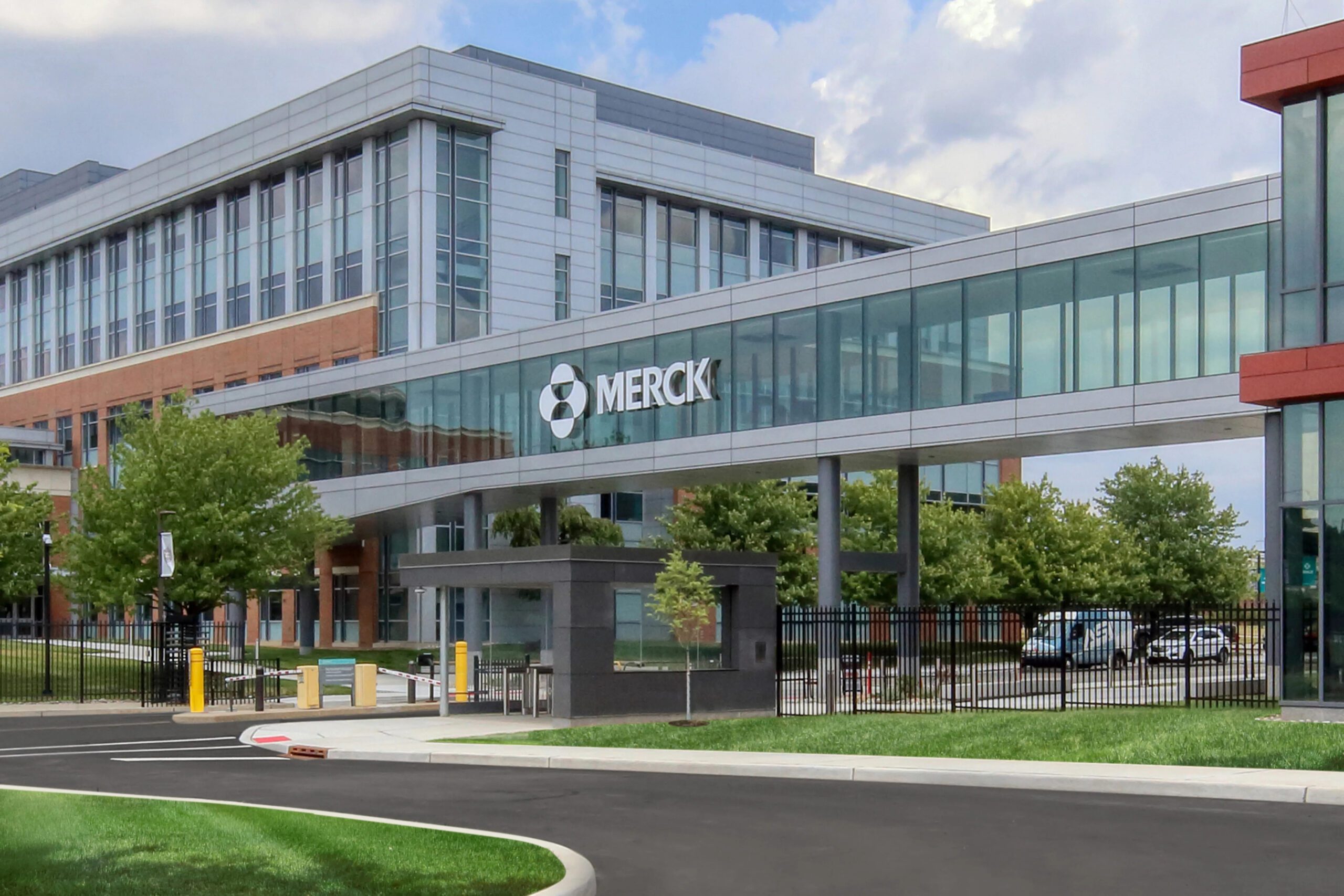
MSD Oncology Pipeline Advances With First Phase 3 Data for Intismeran Autogene Plus KEYTRUDA and Sacituzumab Tirumotecan
The Merck oncology pipeline will present first-time Phase 3 results for intismeran autogene plus KEYTRUDA, sacituzumab tirumotecan and KEYTRUDA monotherapy in Madrid from Oct. 23-27, […]
Regeneron Libtayo Dosing Update: CHMP Recommends EU Approval of Every-Six-Week Cemiplimab Regimen Across All Cancer Types
Regeneron says the CHMP has recommended EU approval of an alternative Libtayo dosing schedule: 700 mg every six weeks after an initial 12-week regimen of […]
Lilly Omvoh (mirikizumab-mrkz) Delivers Comprehensive Disease Control in Ulcerative Colitis and Deep Remission in Crohn’s Disease at One Year
New post-hoc analyses from Eli Lilly show Lilly Omvoh (mirikizumab-mrkz) helped 27.7% of ulcerative colitis patients reach comprehensive disease control and 20.4% of Crohn’s disease […]
Projected Impact on Drug Discovery Timelines
| Phase of Development | Traditional Timeline (Average) | AI-Enhanced Timeline (Projected) | Reduction in Time |
| Target Identification | 2–3 Years | 6–9 Months | ~70% |
| Lead Optimization | 1–2 Years | 4–6 Months | ~65% |
| Pre-clinical Testing | 1 Year | 6 Months | 50% |
| Total to Phase I | 4–6 Years | 1.5–2 Years | ~60% Faster |