The Two Proteins Involved in Alzheimer’s Disease Have Distinct Effects on Brain Circuitry
Using a novel animal model of Alzheimer’s disease, the study raises the possibility of a breakthrough in therapeutic approaches.
PD-1 inhibitors and other immune checkpoint inhibitors can be used to treat dozens of different forms of cancer.
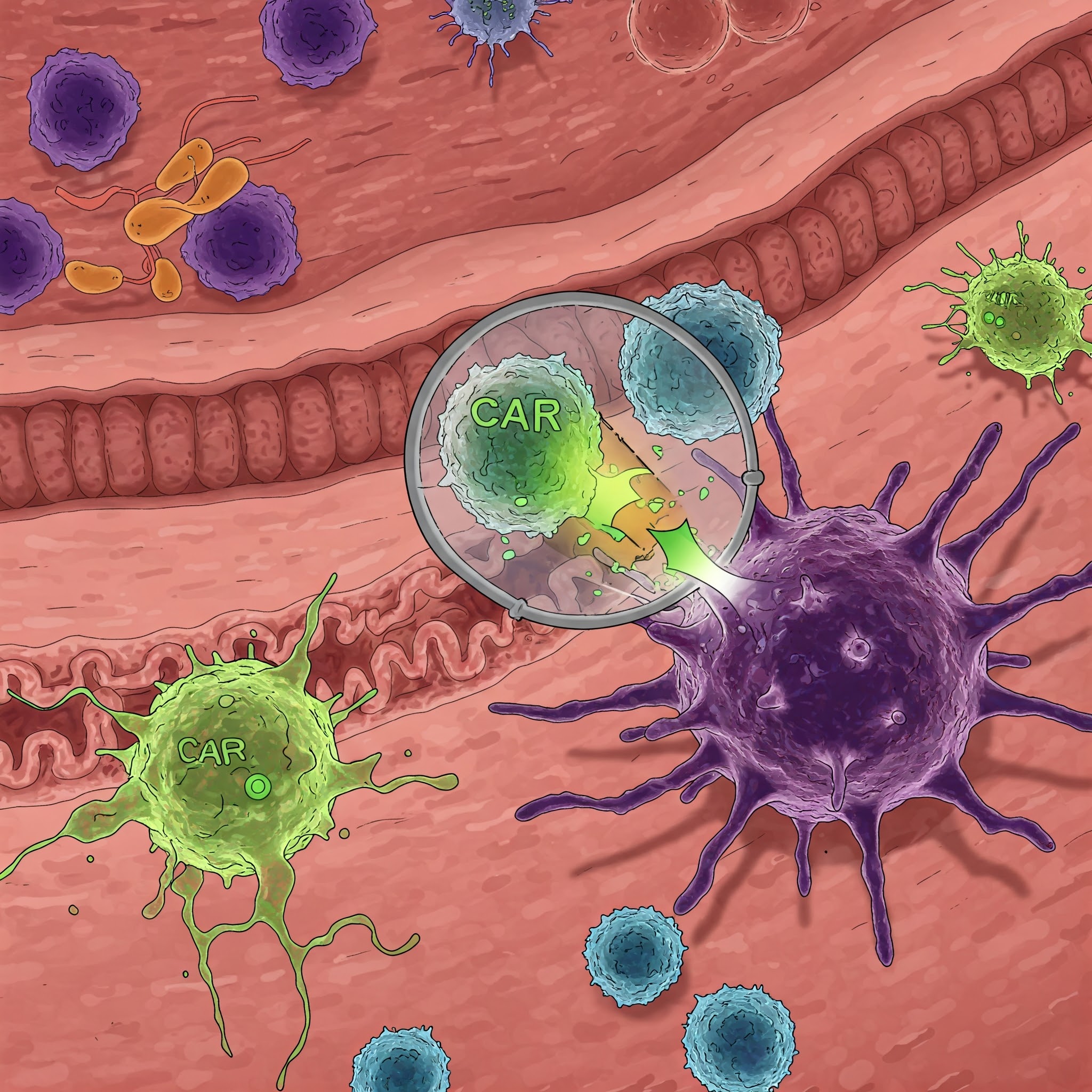
The study discovered that the body may produce more ID3+ T cells in response to certain signals, opening the door for better therapies like CAR T cell therapy.
Physicians were required to decide on cancer patients’ treatments, initially without the aid of technology and later with AI’s support.
A recent partnership between Georgia Tech and Northwestern University has created a new high-performance organic electrochemical neuron that responds in the same frequency range as human neurons, opening up new possibilities for the area.
This finding clarifies how microenvironments and cellular contacts influence the location-specific adaptation of tissue-resident memory CD8 T cells
As people age, their risk of developing cancer rises due to a build-up of DNA damage and other factors. However, not all aberrant cells develop into cancer.
The group tested over 20 million individual cells using both self-supervised learning techniques, then contrasted the outcomes with those of traditional learning techniques.
The immune cells of the central nervous system are known as microglia. Because they remove poisons from the brain and central nervous system, microglia are essential for preserving neuronal function.
Although embryonic cells exhibit amazing adaptability at this dynamic stage of early development, it is still unknown what molecular mechanisms and variables govern this plasticity.