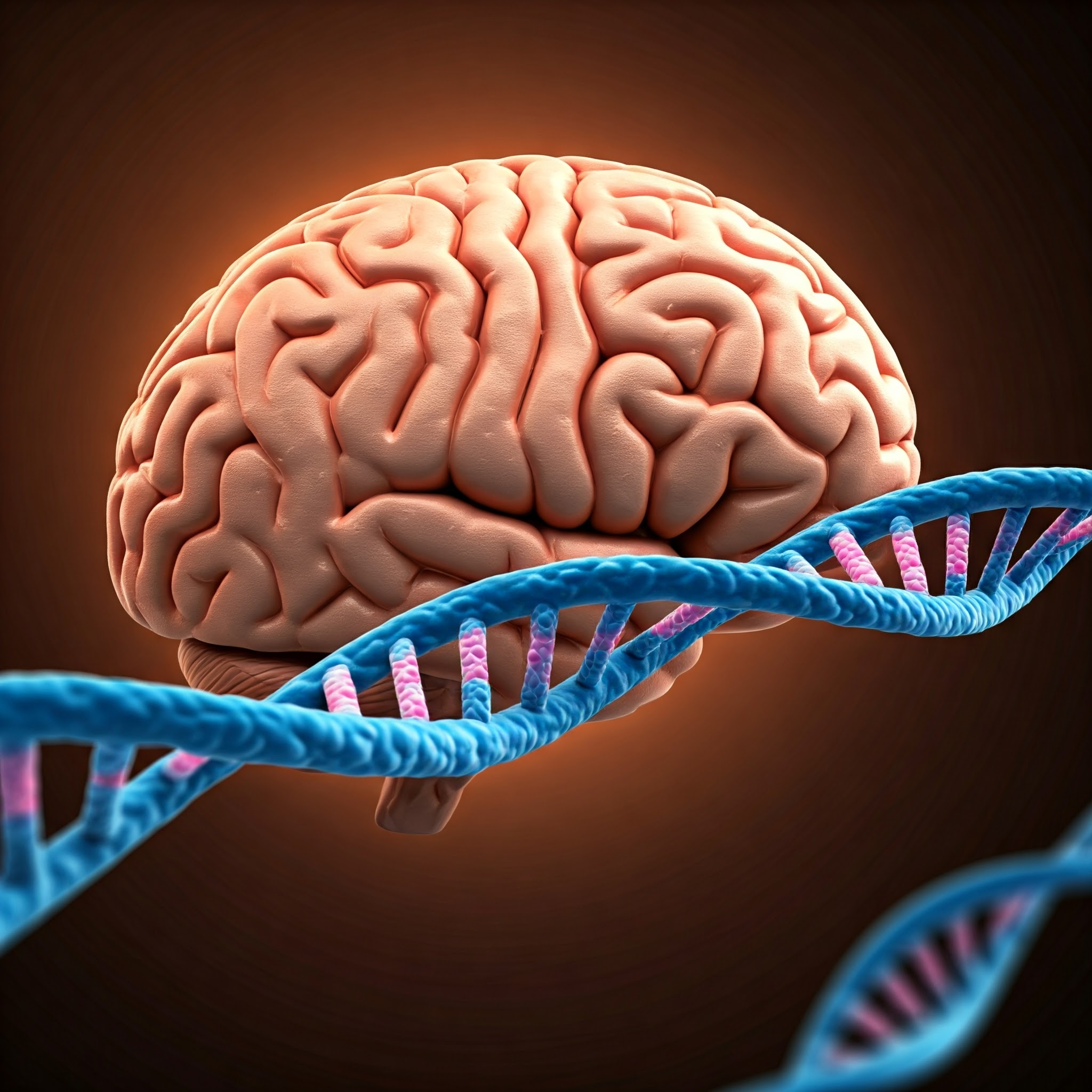
Future clinical trials will be guided by changes in the brain in Huntington’s disease decades before the disease diagnosis
The huntingtin gene’s three DNA blocks (C, A, and G) repeatedly expanding are the source of the illness.
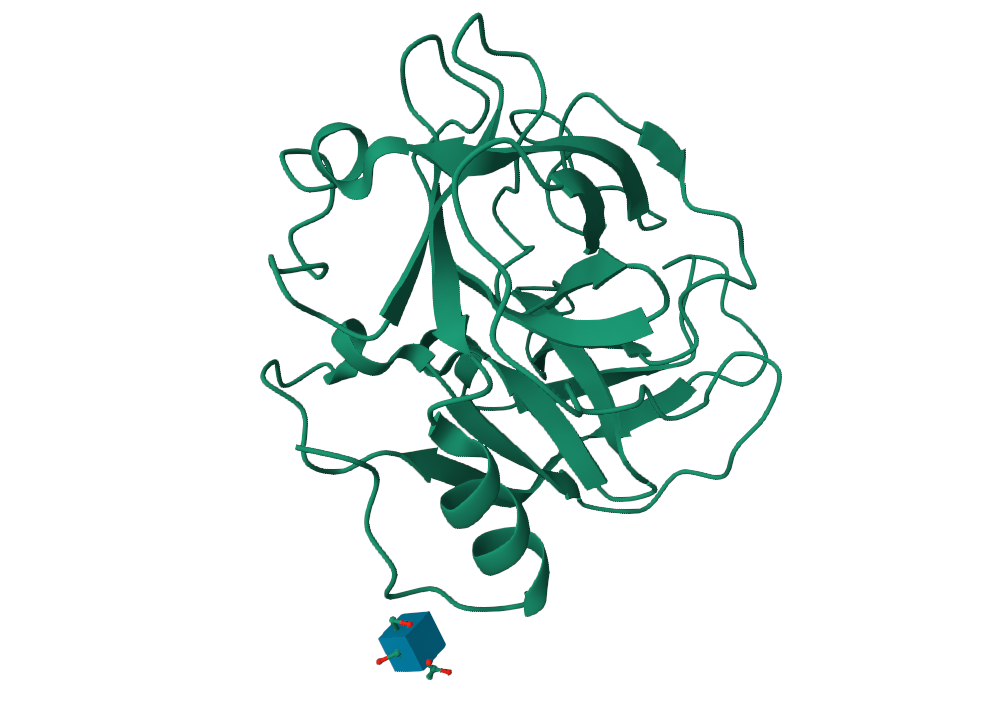
Researchers from the Technical University of Denmark and the UW Medicine Institute for Protein Design are spearheading a computational biology initiative to find more effective antivenom treatments.
Chinese hamster ovary (CHO) cells are frequently used to produce protein-based medications for the treatment of cancer, autoimmune disorders, and other conditions. A multinational team [Read More…]
A cell’s morphology and form are crucial to its biological function. This is in line with the “form follows function” theory that is prevalent in contemporary architecture and design.
In order to build the groundwork for creating CAR molecules that optimize antitumor activity beyond B cell malignancies, researchers set out to comprehend how CAR T cells with various signaling domains function at the molecular and cellular levels.
Researchers used a cross-vaccination strategy in the trial, which involved 33 healthy adult volunteers between the ages of 21 and 45.
The work explains how lipocartilage cells form and preserve their own lipid reservoirs while maintaining a consistent size.
More potent AI models and the amassing of vast amounts of cell data in recent years are beginning to turn biology into a more predictive science.
Scientists created new medications to suppress PD-1 and activate the body’s immune system to combat cancer after its discovery.
Researchers have developed a new method to detect more contagious forms of bacteria or viruses that transmit to people, such as those that cause TB, whooping cough, COVID, and the flu.