2024 Recap; Major Science Events
As 2024 is finishing off, this year witnessed some major science research, clinical trials, and setbacks. From the last year onwards we started the turnback [Read More…]
Although AI and quantum computing have simplified the process of designing tiny molecules for medicinal therapy, this has resulted in the need for far quicker techniques to verify the effectiveness of novel medications.
The recovery process for patients with acute spinal cord injuries can be enhanced by antibodies. This has been studied with encouraging results by researchers at 13 clinics in Germany, Switzerland, the Czech Republic, and Spain. For the first time, patient groups exhibiting a treatment impact that was clinically relevant could be identified. December 2024 will see the start of a follow-up study.
S. aureus colonizes most of us during infancy and travels through our nasal passages. It doesn’t hurt us most of the time.
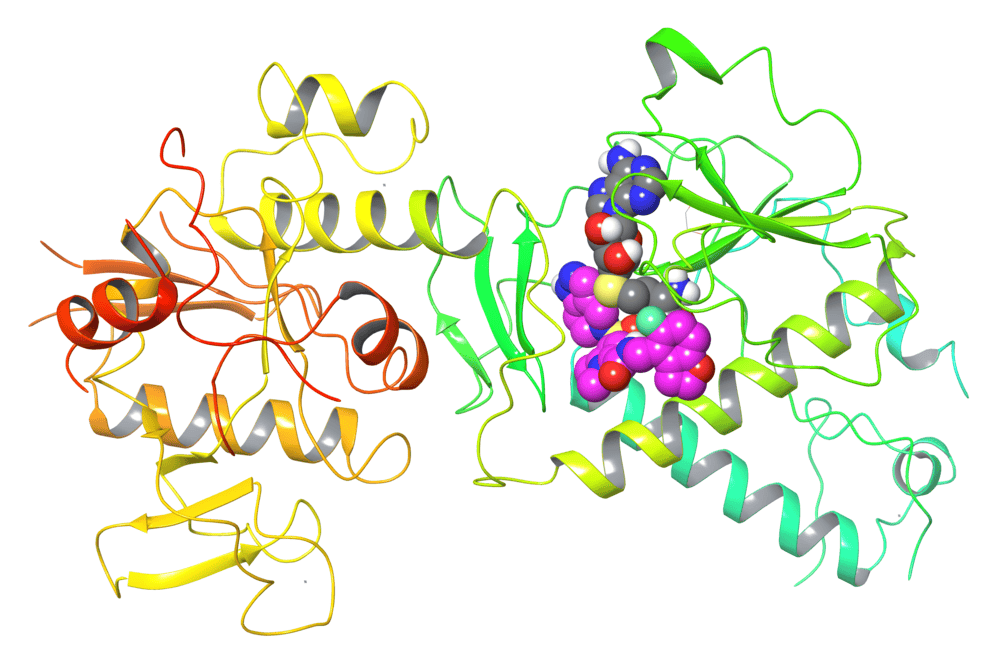
In addition to confirming viral methyltransferases as a viable therapeutic target, the results imply that Tuschl’s specific inhibitor would have few adverse effects.
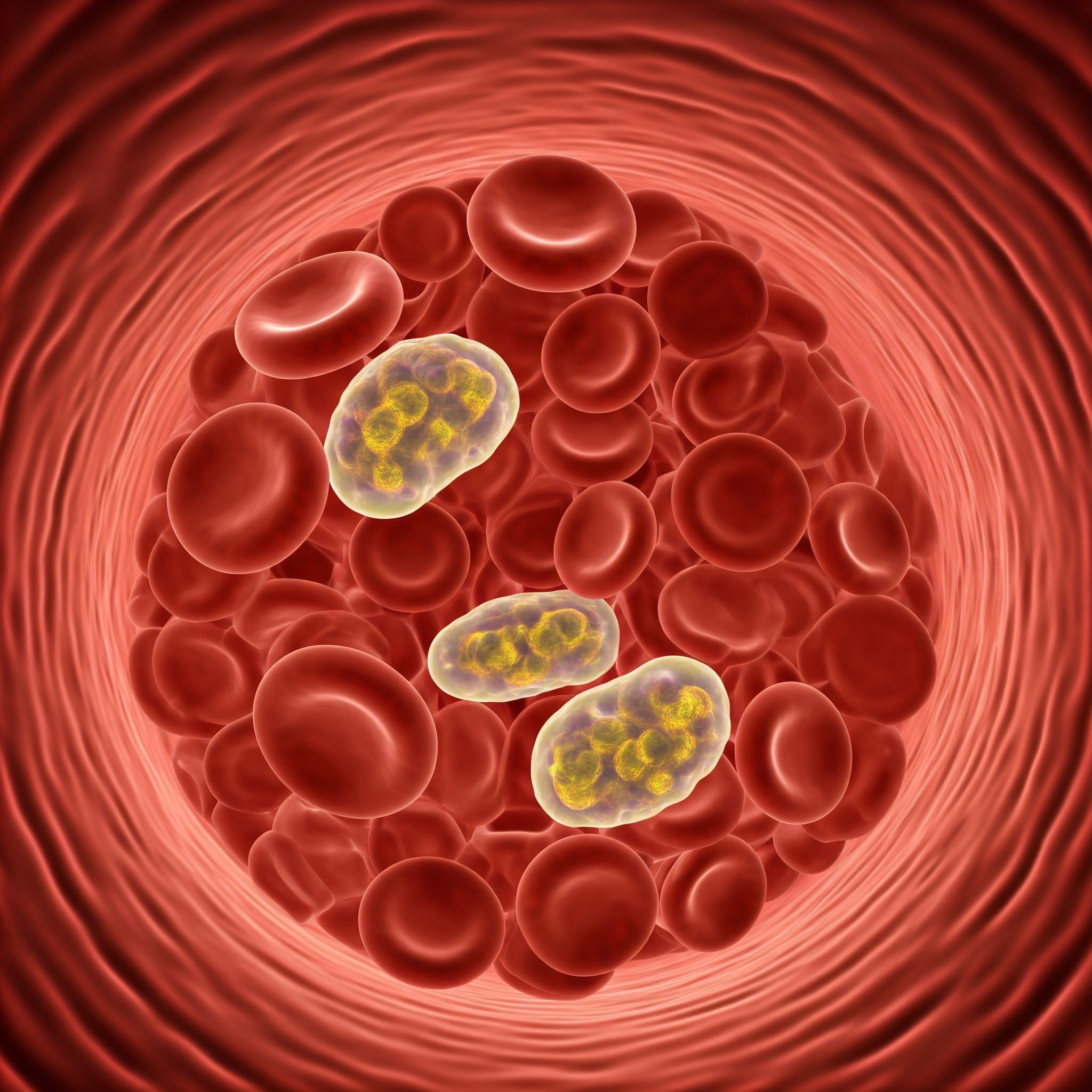
Research into the genomes of malaria parasites opens the door to more potent, novel therapies.
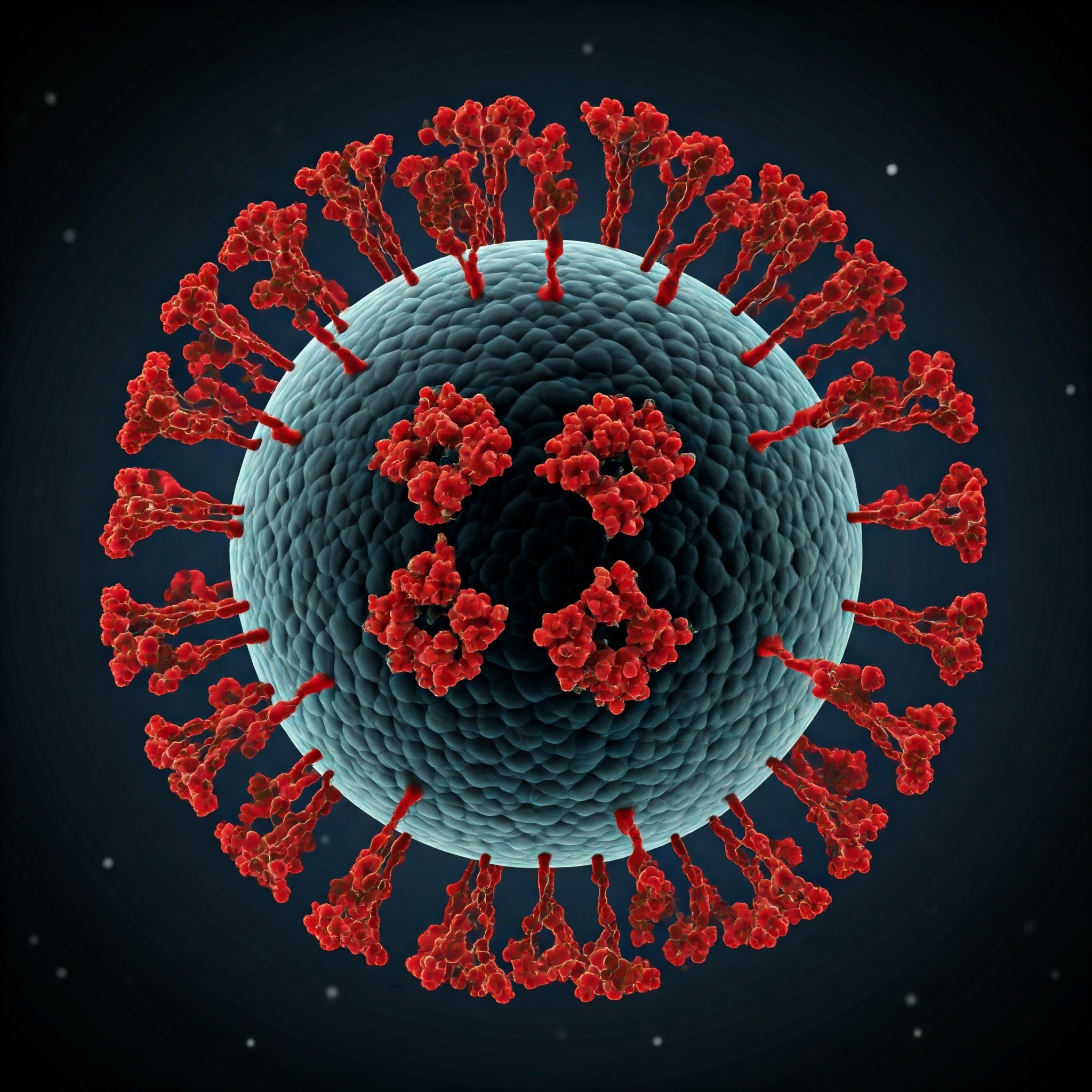
Although it is unknown if the current strains of the bovine (cow) H5N1 virus may spread to humans.
Researchers controlled inflammation from multiple sclerosis in mice by programming immune cells to target glioblastoma. There will soon be a clinical trial to test the glioblastoma technique.
The researchers tested five different LLMs and discovered that GPT-4 performed the best, finding common functions of curated gene sets from a popular genomics database with an accuracy rate of 73%.
A twice-yearly injection of Lenacapavir, however, offers a 96% lower risk of infection overall.