U.S. FDA to Phase Out Animal Testing for the Development of Monoclonal Antibodies and Other Drugs
The FDA’s animal testing requirement will be decreased, modified, or potentially replaced utilizing a variety of methodologies.
The FDA’s animal testing requirement will be decreased, modified, or potentially replaced utilizing a variety of methodologies.

By inserting a complete gene, the technique provides a one-step solution that overcomes the limitations of CRISPR gene editing technology.
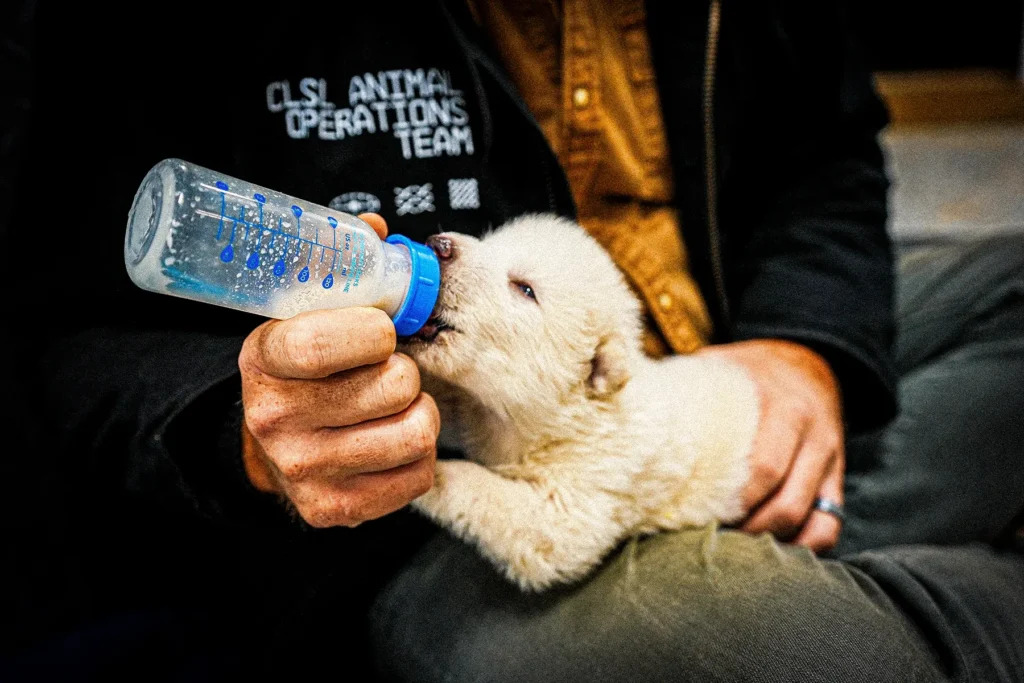
Colossal Biosciences, the business seeking to make extinction optional, has resurrected a prehistoric predator best known for its role in Game of Thrones. Approximately 20 [Read More…]

A one-size-fits-all strategy to protein purification is no longer practicable, given the development and transformation of the mAb market, notably the recent rapid emergence of [Read More…]
Novo Nordisk presented the full results of STRIDE, a phase 3b peripheral artery disease (PAD) outcomes trial that looked at the effects of once-weekly injectable Ozempic®.
IgG4-RD can arise in various organs, causing fibrosis and irreversible organ damage. Understanding how organ damage occurs is key to making an accurate diagnosis of IgG4-RD.
FDA stated in the letter that the NDA “failed to demonstrate efficacy in adequate and well controlled studies in treating ocular symptoms associated with dry eyes”.

Pfizer Inc (PFI). announced that the European Commission (EC) has amended the marketing authorization for ABRYSVO®, the company’s bivalent respiratory syncytial virus (RSV) prefusion F [Read More…]

AFib affects around 8 million Europeans over the age of 65, and this figure is anticipated to grow over the next 30 years.

In order to help hemophiliacs regain hemostasis, Qfitlia helps boost thrombin production by decreasing AT, a protein that prevents blood clotting.