Gilead’s Trodelvy Shows Significant Promise in Treating Aggressive Breast Cancer

Gilead

Results from the ASCENT-03 study reveal that Trodelvy (sacituzumab govitecan-hziy) significantly enhances outcomes for patients with metastatic triple-negative breast cancer. The drug lowered the risk of disease progression or death by 38% and provided a longer duration of response compared to chemotherapy. This positions Trodelvy as a potential new standard of care for this aggressive form of breast cancer, offering hope to a patient population with limited treatment options.

Breakthrough in Bladder Cancer Treatment: PADCEV and KEYTRUDA Combination Significantly Improves Survival

pfizer news

A landmark clinical trial reveals a powerful new weapon against aggressive bladder cancer. The combination of PADCEV™ and KEYTRUDA®, administered before and after surgery, has been shown to significantly improve survival rates for patients with muscle-invasive bladder cancer who are ineligible for cisplatin chemotherapy. These groundbreaking results could establish a new standard of care, offering profound hope for a patient population with previously limited options.

Lilly’s Verzenio® Shows Significant Survival Benefit in High-Risk Early Breast Cancer

Eli Lilly and Company

Eli Lilly and Company announced major findings from the seven-year monarchE trial. Their CDK4/6 inhibitor, Verzenio® (abemaciclib), is the first in its class to demonstrate a statistically significant overall survival benefit for patients with HR+, HER2-, high-risk early breast cancer when added to endocrine therapy.

‘Proteotoxic Shock’: Ohio State Researchers Uncover Hidden Mechanism Behind Immunotherapy Failure

Recent Cancer Research Shows Treatment Efficacy With Lupus-Related Antibody

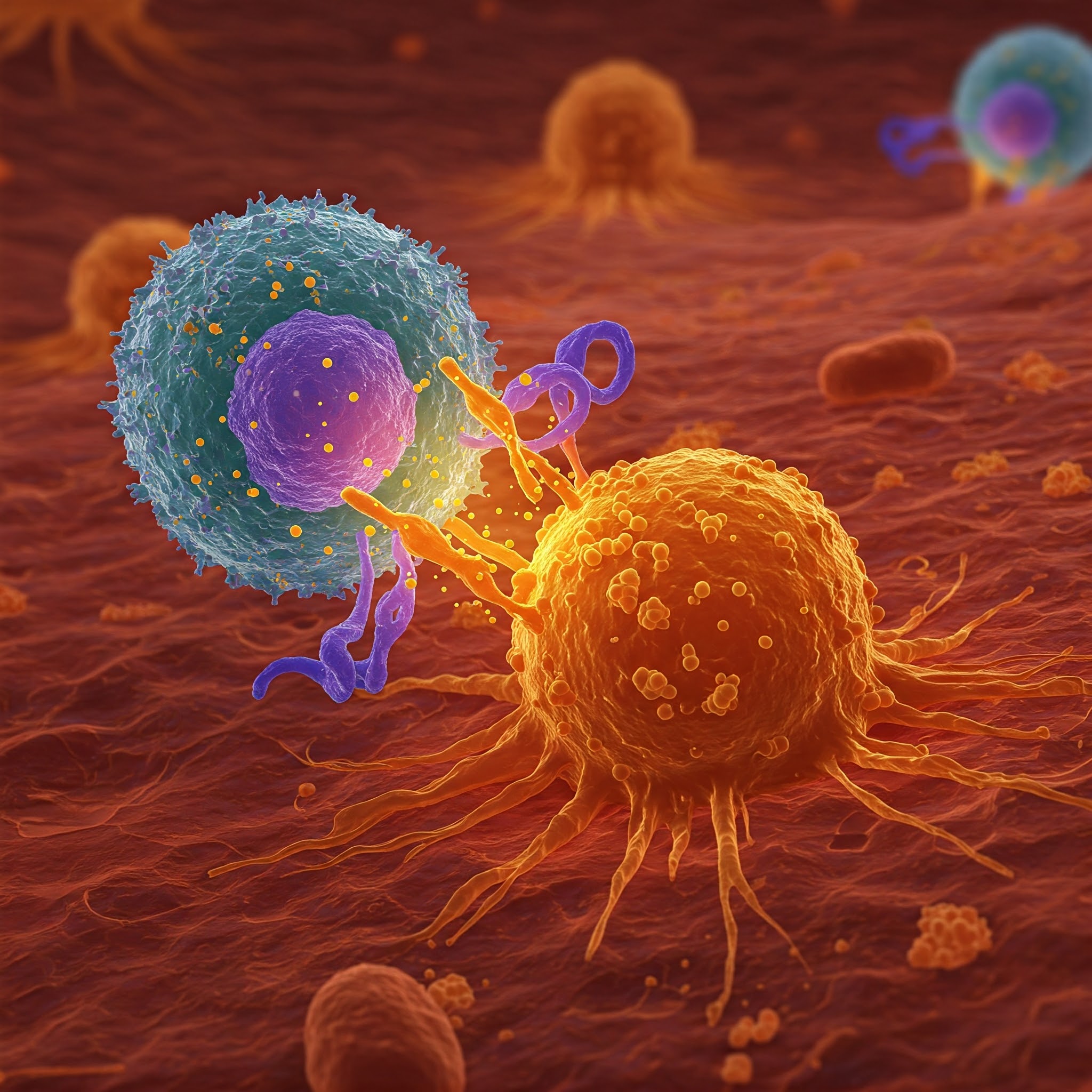
A landmark study by Ohio State scientists reveals the underlying mechanism of cancer immunotherapy failure: a fatal “proteotoxic shock” or protein quality control collapse (TexPSR) in T-cells. This newly identified stress pathway overwhelms immune cells with misfolded proteins, disabling their tumor-fighting function. Crucially, blocking the TexPSR pathway in preclinical models restored T-cell function and made immunotherapy markedly more effective, offering an entirely new target for cancer treatment development.

Roche’s Giredestrant Combination Shows Significant Benefit in Advanced ER-Positive Breast Cancer

Roche

Roche’s Phase III evERA study for the investigational drug giredestrant has delivered positive results, showing a significant improvement in progression-free survival for patients with advanced ER-positive breast cancer. The all-oral combination therapy, which was well-tolerated, offers a new, promising treatment option for individuals whose disease has progressed after previous treatments.