Lilly’s Verzenio® Shows Significant Survival Benefit in High-Risk Early Breast Cancer
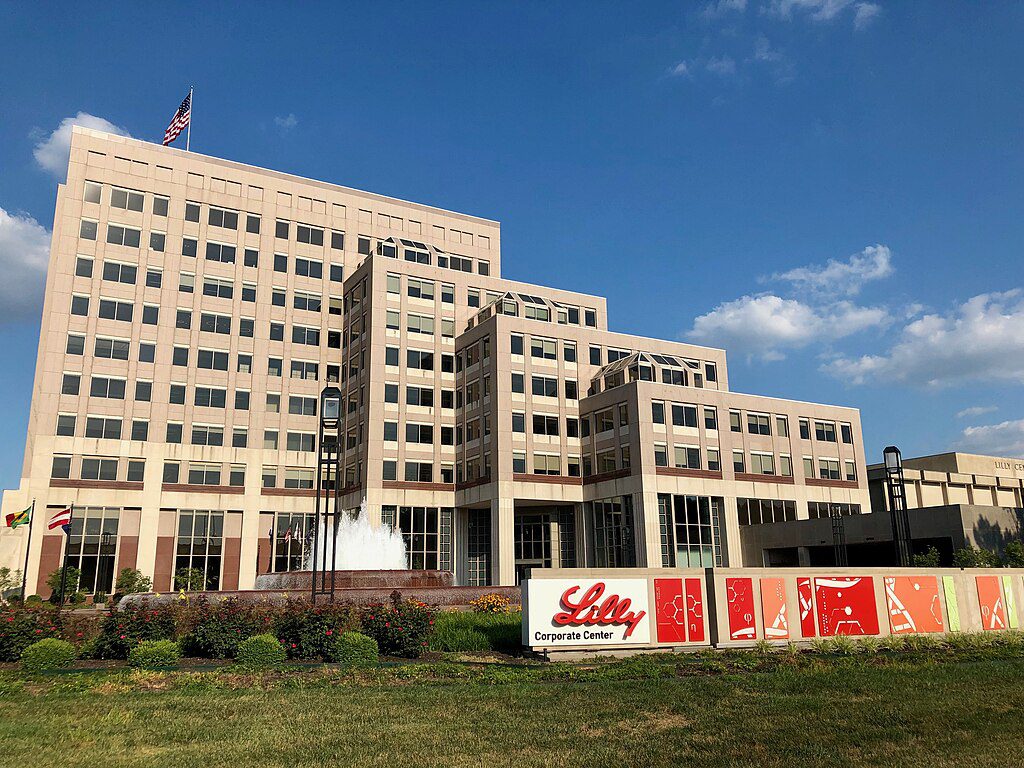
Eli Lilly and Company

Eli Lilly and Company announced major findings from the seven-year monarchE trial. Their CDK4/6 inhibitor, Verzenio® (abemaciclib), is the first in its class to demonstrate a statistically significant overall survival benefit for patients with HR+, HER2-, high-risk early breast cancer when added to endocrine therapy.


‘Proteotoxic Shock’: Ohio State Researchers Uncover Hidden Mechanism Behind Immunotherapy Failure

Recent Cancer Research Shows Treatment Efficacy With Lupus-Related Antibody

A landmark study by Ohio State scientists reveals the underlying mechanism of cancer immunotherapy failure: a fatal “proteotoxic shock” or protein quality control collapse (TexPSR) in T-cells. This newly identified stress pathway overwhelms immune cells with misfolded proteins, disabling their tumor-fighting function. Crucially, blocking the TexPSR pathway in preclinical models restored T-cell function and made immunotherapy markedly more effective, offering an entirely new target for cancer treatment development.

Roche’s Giredestrant Combination Shows Significant Benefit in Advanced ER-Positive Breast Cancer

Roche

Roche’s Phase III evERA study for the investigational drug giredestrant has delivered positive results, showing a significant improvement in progression-free survival for patients with advanced ER-positive breast cancer. The all-oral combination therapy, which was well-tolerated, offers a new, promising treatment option for individuals whose disease has progressed after previous treatments.

Pfizer and Astellas Announce Landmark Survival Benefit with XTANDI in Prostate Cancer Trial

pfizer news

Pfizer and Astellas report groundbreaking Phase 3 EMBARK trial results showing XTANDI® (enzalutamide) plus leuprolide significantly improves overall survival in men with non-metastatic hormone-sensitive prostate cancer (nmHSPC) and high-risk biochemical recurrence. This marks the first time an androgen receptor inhibitor-based therapy has shown a definitive survival benefit in this specific patient population, offering new hope for extending lives through early and effective treatment.