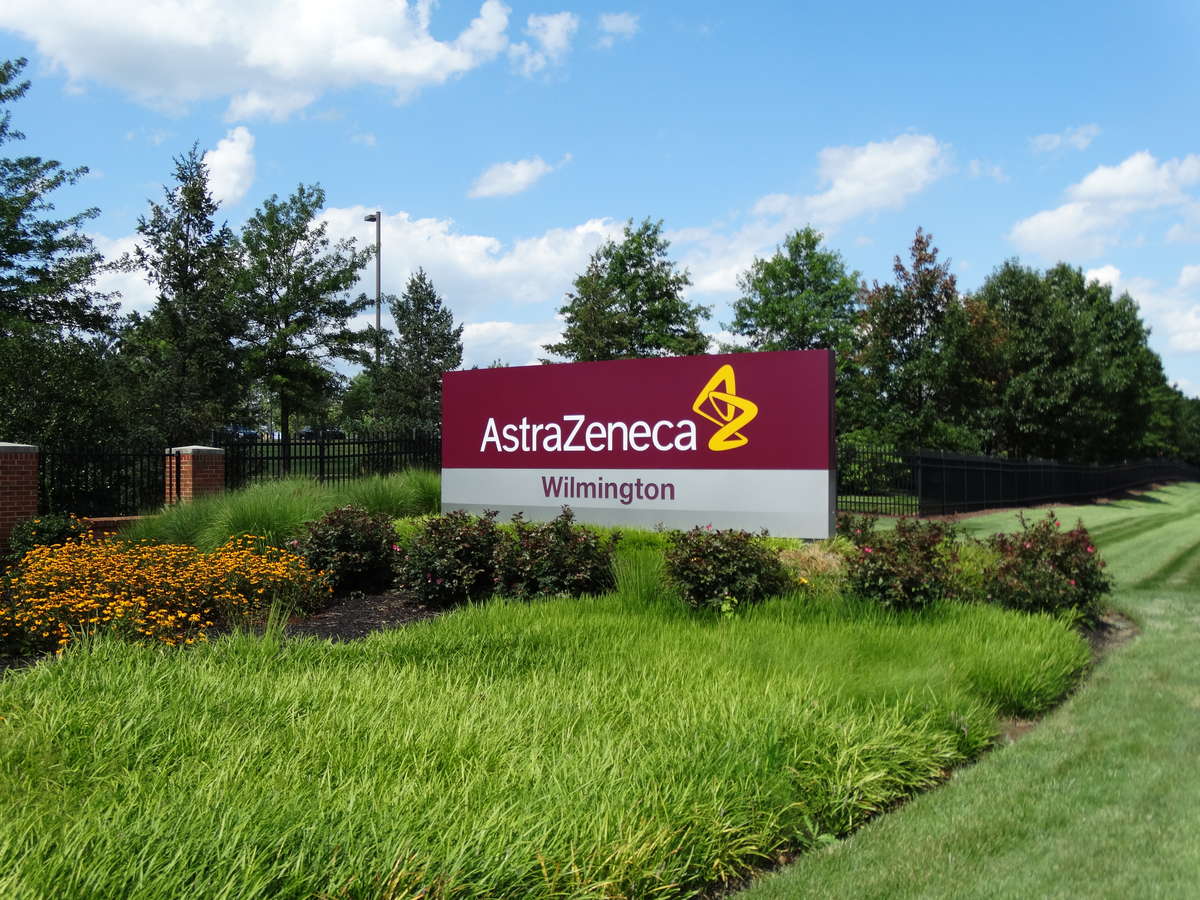
AstraZeneca‘s supplemental biologics license application (sBLA) for Imfinzi (durvalumab) has been approved and given priority review in the U.S. FDA for the treatment of patients with gastric and gastroesophageal junction (GEJ) cancers that are resectable, early-stage, and locally progressed (Stages II, III, IVA).
Applications for medications that, if approved, would provide notable advantages over current choices by proving safety or efficacy improvements, preventing serious conditions, or improving patient compliance are given priority review by the Food and Drug Administration (FDA). The FDA’s action date for their regulatory determination under the Prescription Drug User Fee Act is expected to occur in the fourth quarter of 2025.
Read More: AstraZeneca Announces $50 Billion Investment in the United States
In this context, the FDA recently awarded Imfinzi Breakthrough Therapy Designation (BTD). In order to meet a major unmet medical need and treat a critical ailment, BTD expedites the development and regulatory approval of possible new medications.
The fifth most frequent cancer globally and the fifth main cause of cancer death is gastric (stomach) cancer. About 6,500 people in the US with early-stage and locally progressed gastric or GEJ cancer were receiving medication treatment in 2024.

This Priority Review reinforces the potential for a perioperative approach with Imfinzi to transform care for patients with early gastric and gastroesophageal junction cancers, who frequently face disease recurrence or progression even after curative-intent surgery and perioperative chemotherapy. This novel treatment is the only immunotherapy-based regimen to show a statistically significant reduction in the risk of progression, recurrence or death in this setting, and if approved, is poised to change the clinical paradigm.
Susan Galbraith
Read More: AstraZeneca’s Gefurulimab Shows Major Promise in Late-Stage Myasthenia Gravis Trial
MATTERHORN Phase III trial
Data from the MATTERHORN Phase III trial, which was concurrently published in The New England Journal of Medicine and presented during the Plenary Session of the 2025 American Society of Clinical Oncology (ASCO) Annual Meeting, served as the basis for the sBLA.
| Metric | Imfinzi-based Perioperative Regimen | Chemotherapy Alone | Hazard Ratio (HR) | 95% Confidence Interval (CI) | p-value |
| Event-Free Survival (EFS) – Risk Reduction | 29% reduction in risk of disease progression, recurrence or death | – | 0.71 | 0.58-0.86 | <0.001 |
| Estimated Median EFS | Not yet reached | 32.8 months | – | – | – |
| Estimated 1-year EFS Rate | 78.2% | 74.0% | – | – | – |
| Estimated 24-month EFS Rate | 67.4% | 58.5% | – | – | – |
| Overall Survival (OS) | Strong trend in favour | – | 0.78 | 0.62-0.97 | 0.025 |

Imfinzi and FLOT (fluorouracil, leucovorin, oxaliplatin, and docetaxel) chemotherapy had safety profiles that were in line with each medication’s known profiles, and the proportion of patients who underwent surgery was comparable to that of chemotherapy alone. Between the two arms, adverse events of grade 3 or higher from any cause were comparable.
Imfinzi
Imfinzi (durvalumab) is a human monoclonal antibody that attaches itself to the PD-L1 protein and prevents it from interacting with the PD-1 and CD80 proteins. This prevents the tumor from using immune-evading strategies and releases the inhibition of immune responses.
Last Modified: