Research Proves AI Boosts Efficacy of Cancer Treatment
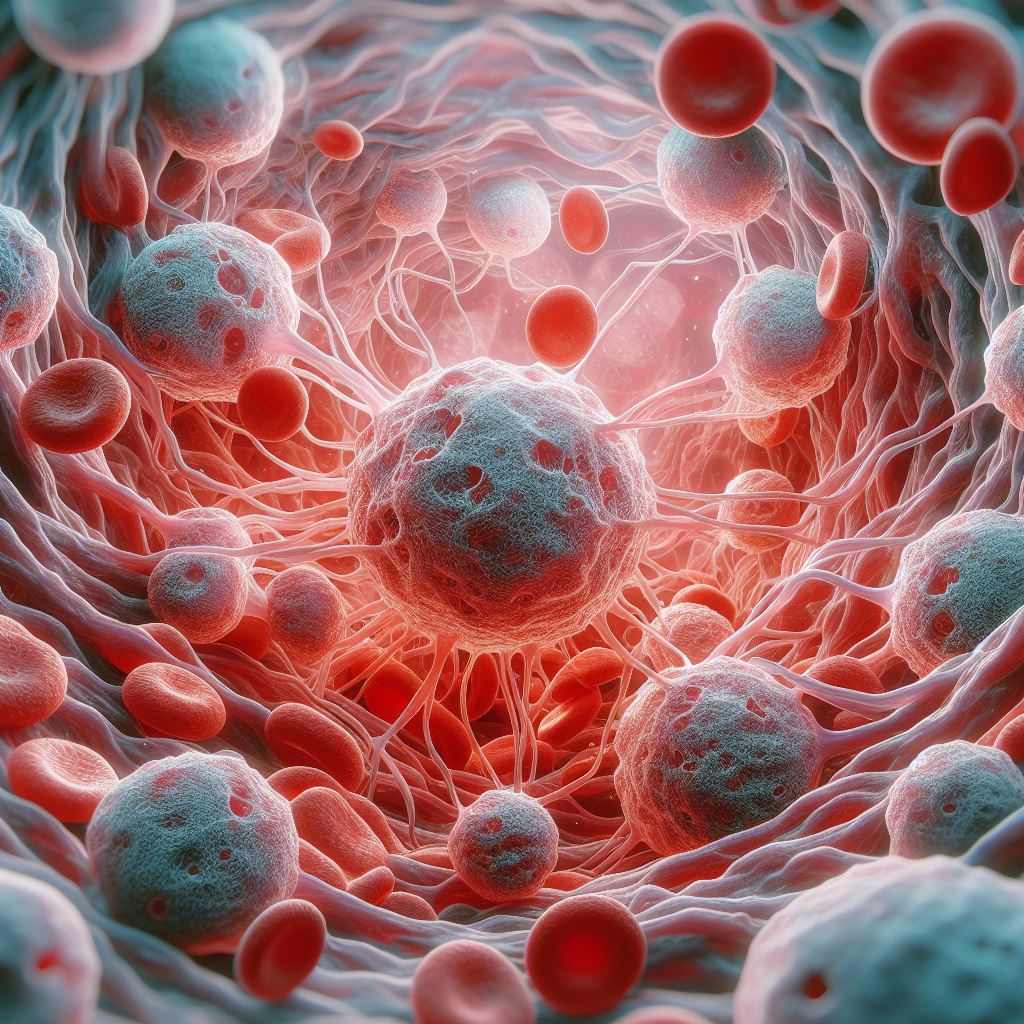
Physicians were required to decide on cancer patients’ treatments, initially without the aid of technology and later with AI’s support.
Physicians were required to decide on cancer patients’ treatments, initially without the aid of technology and later with AI’s support.
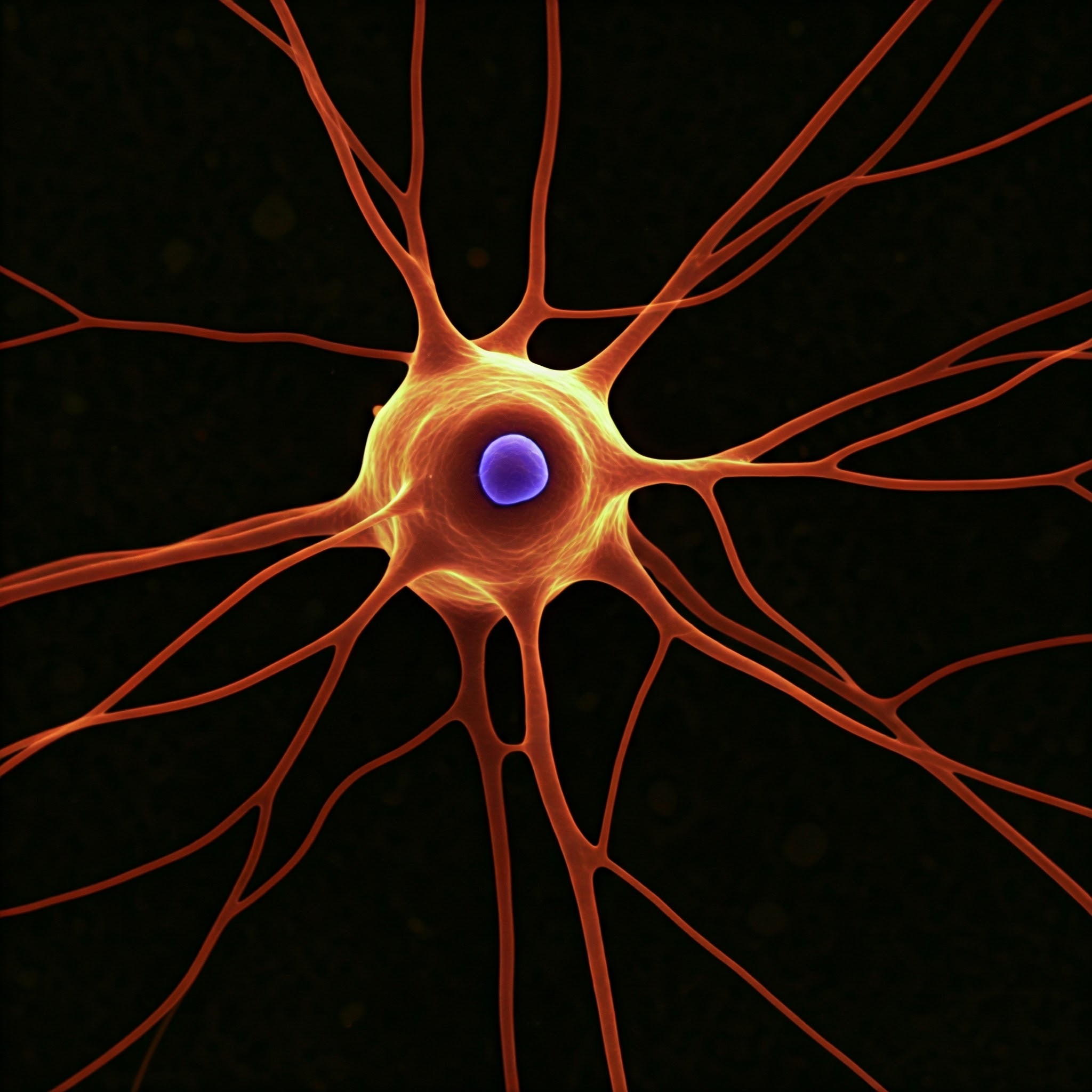
A recent partnership between Georgia Tech and Northwestern University has created a new high-performance organic electrochemical neuron that responds in the same frequency range as human neurons, opening up new possibilities for the area.

The group tested over 20 million individual cells using both self-supervised learning techniques, then contrasted the outcomes with those of traditional learning techniques.
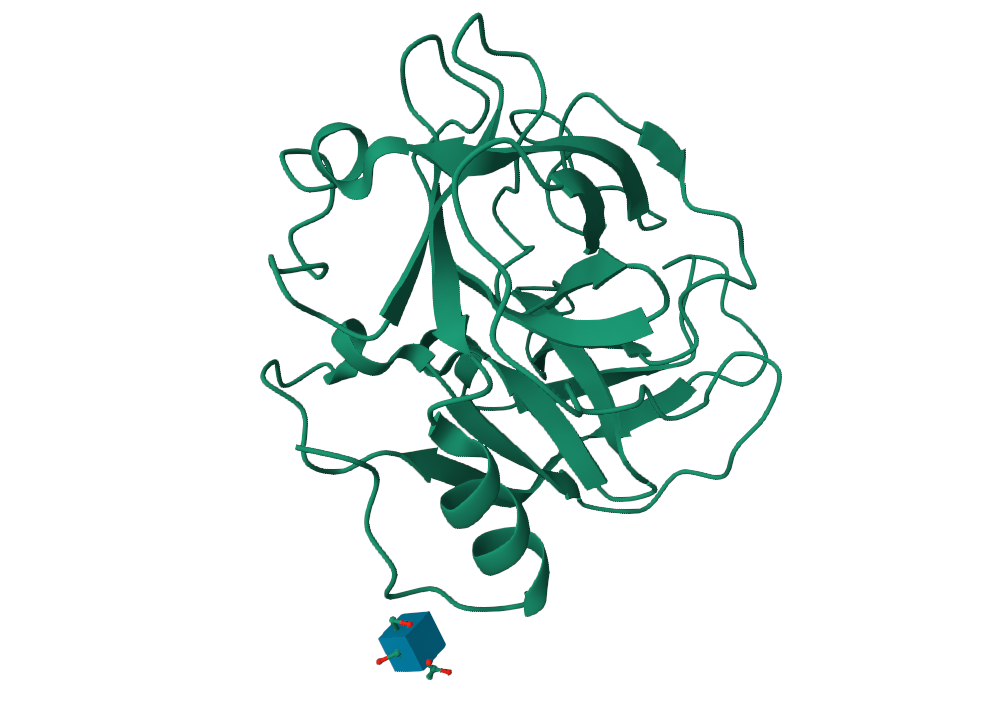
Researchers from the Technical University of Denmark and the UW Medicine Institute for Protein Design are spearheading a computational biology initiative to find more effective antivenom treatments.
More potent AI models and the amassing of vast amounts of cell data in recent years are beginning to turn biology into a more predictive science.

The researchers tested five different LLMs and discovered that GPT-4 performed the best, finding common functions of curated gene sets from a popular genomics database with an accuracy rate of 73%.

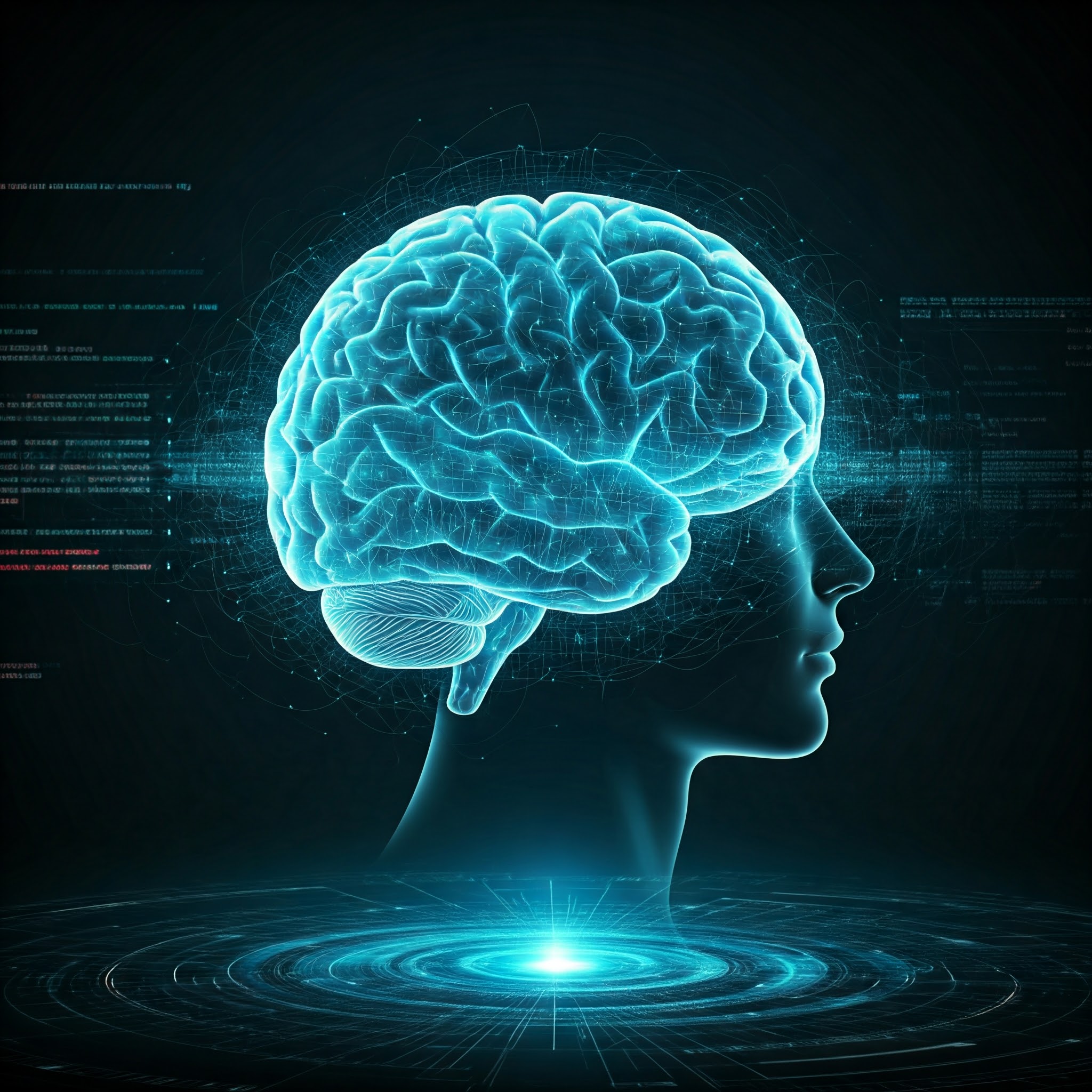
Large language models a form of artificial intelligence that analyzes text are better than human experts at predicting the outcomes of proposed neuroscience investigations.
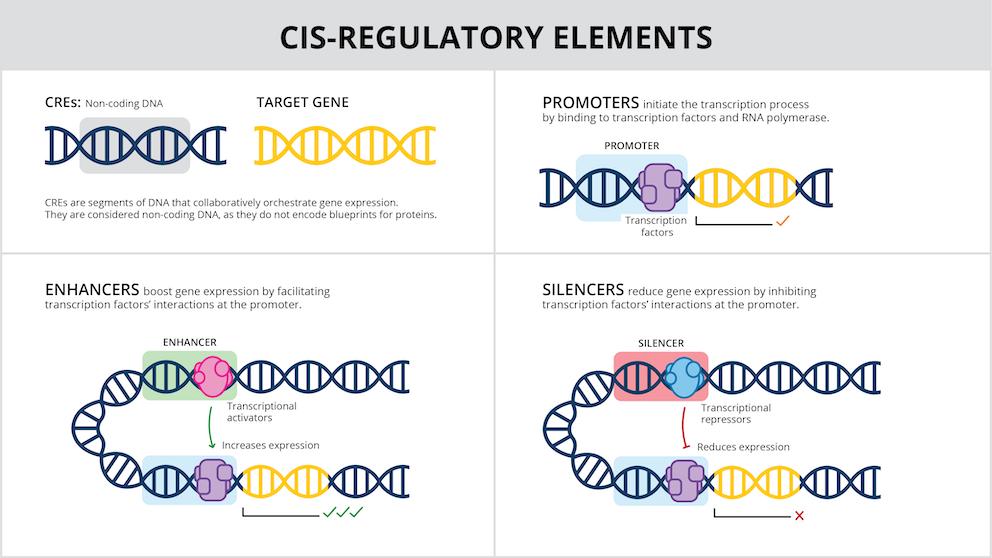
Their novel method makes it feasible to regulate gene expression in the body in previously unattainable ways, which might improve human health and medical research.
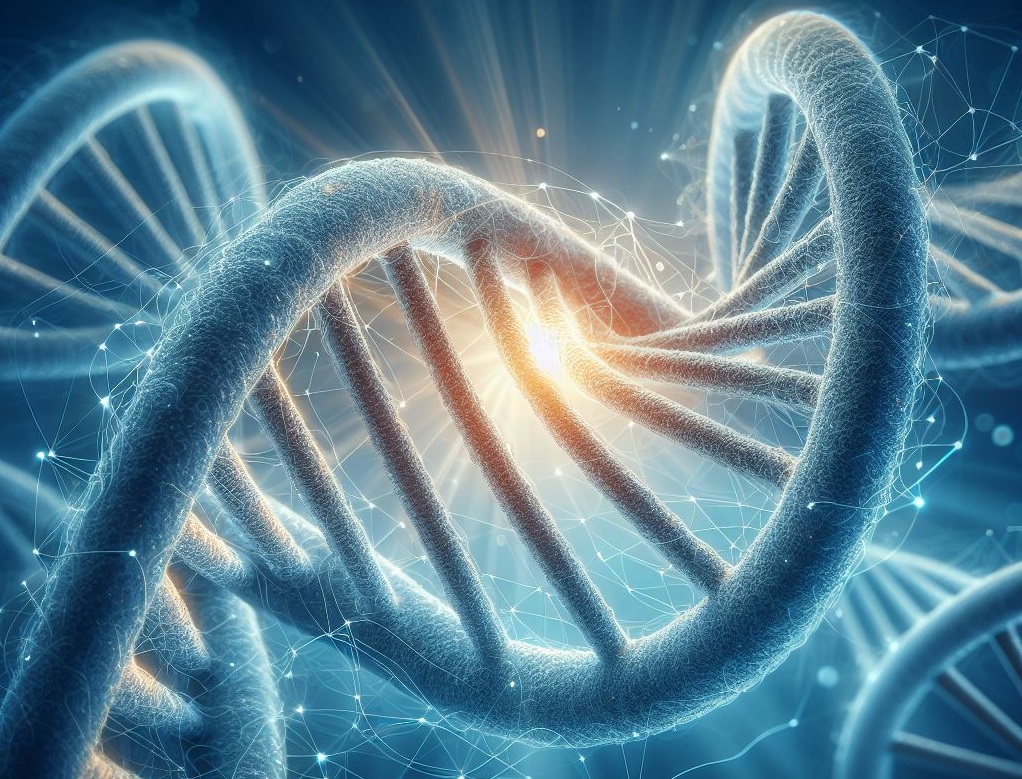
Ever since the double helix was discovered, researchers have worked to decipher the information contained inside DNA.
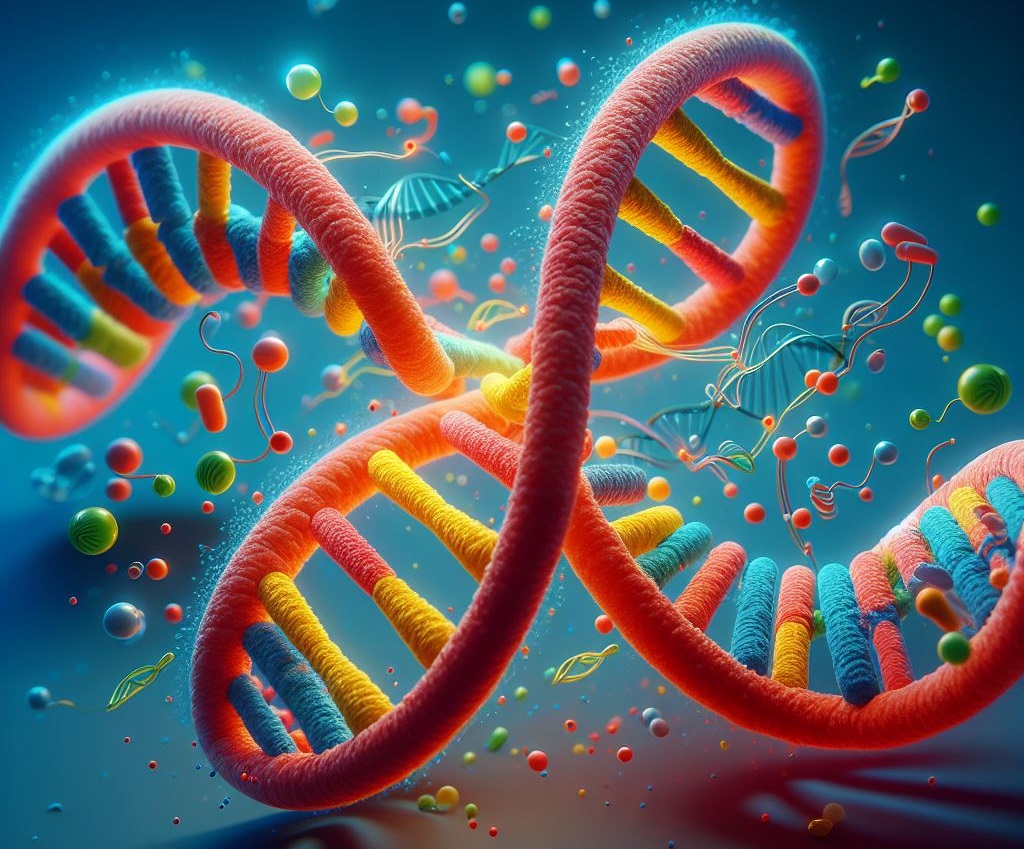
Numerous treatments are being developed to target the genes causing the more than 100 epilepsies that have been linked to a single gene mutation.