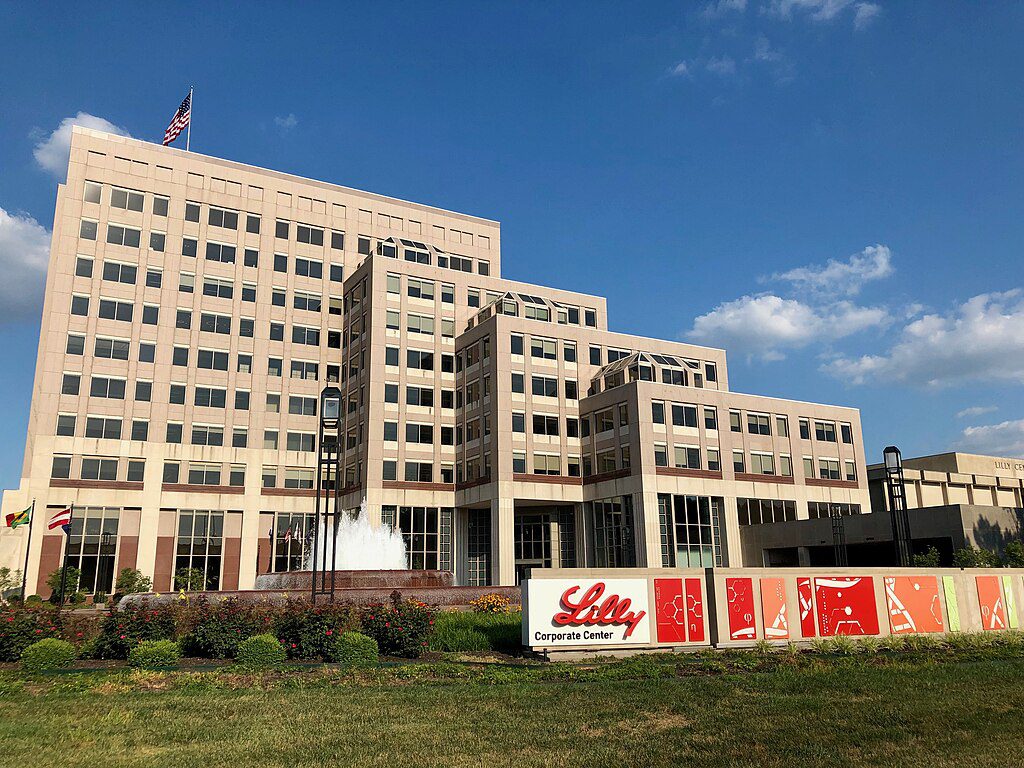
Omvoh mirikizumab-mrkz clinical trials have reached a historic milestone as Eli Lilly and Company announced new four-year data from its Phase 3 program. The latest findings, presented at Digestive Disease Week (DDW) in May 2026, demonstrate that Omvoh is the first and only IL-23p19 antagonist to show such durable “disease clearance” in patients with moderately to severely active ulcerative colitis (UC).
LUCENT-3: Setting a New Bar in Ulcerative Colitis
In the LUCENT-3 open-label extension study, researchers evaluated the long-term impact of continuous treatment. The results from these Omvoh mirikizumab-mrkz clinical trials are particularly significant because they measure “disease clearance”, a rigorous composite endpoint requiring simultaneous symptomatic, endoscopic, and histologic remission.
According to the 2026 update, 63.5% of patients who achieved disease clearance at the end of the first year maintained that status through four years of continuous monthly dosing. This highlights the drug’s ability to not only induce remission but to sustain deep tissue healing over a multi-year period.

LUCENT-3 Study – 4-Year Ulcerative Colitis Data
| Clinical Outcome (at 4 Years) | Maintenance Rate (among Year-1 Responders) |
| Sustained Disease Clearance | 63.5% |
| Stringent Disease Clearance (incl. Normalization) | 61.3% |
| Symptomatic Remission | 74.8% |
| Endoscopic Remission | 68.2% |
Learn More: Lilly’s Omvoh Shows Sustained, Long-Term Efficacy in Ulcerative Colitis and Crohn’s Disease
VIVID-2: Sustained Steroid-Free Remission in Crohn’s Disease
The Omvoh mirikizumab-mrkz clinical trials also extended into Crohn’s disease research through the VIVID trial program. In the VIVID-2 long-term extension, Omvoh demonstrated exceptional durability. Over 90% of patients who were in steroid-free remission at one year remained in that state through three years of treatment.
This data is crucial for patients who historically struggle with “biologic wash-out,” where treatments lose efficacy over time. By maintaining high response rates for three years, Omvoh provides a stable long-term option for those suffering from the unpredictable nature of Crohn’s. For a broader look at how these results compare to other therapies, see our guide on IL-23 inhibitors.

VIVID-2 Study – 3-Year Crohn’s Disease Data
| Efficacy Endpoint (at 3 Years/Week 152) | Maintenance Rate (among Year-1 Responders) |
| Clinical Remission (CDAI) | 92.4% |
| Corticosteroid-free Remission | 91.2% |
| Urgency Reduction (≥3-point UNRS) | 82.1% |
| Endoscopic Response | 87.6% |

Johnson & Johnson CAPLYTA Bipolar Mania Study Shows Significant and Rapid Improvement
Johnson & Johnson has reported pivotal Phase 3 findings for CAPLYTA (lumateperone) in bipolar mania, with the study showing significant and rapid improvement in manic […]

Novartis Cosentyx PMR Receives Positive CHMP Opinion for Polymyalgia Rheumatica in Europe
Novartis has received a positive CHMP opinion recommending European marketing authorization for Cosentyx (secukinumab) in adults with polymyalgia rheumatica, based on Phase III REPLENISH data […]
Novo Sogroya CHMP Opinion: EMA Recommends Once-Weekly Somapacitan for Idiopathic Short Stature
Novo receives a positive CHMP opinion for once-weekly Sogroya® (somapacitan) to treat children with idiopathic short stature in Europe. […]
Safety and Future Outlook for Omvoh mirikizumab-mrkz Clinical Trials
The safety profile observed across the Omvoh mirikizumab-mrkz clinical trials remains consistent with previous findings, with no new safety signals reported after four years of exposure. The most common adverse events included upper respiratory tract infections, injection site reactions, and joint pain.
Looking forward, Lilly has initiated the COMMIT-UC and COMMIT-CD trials to explore combination therapies, aiming to push remission rates even higher. As the landscape of IBD treatment evolves, these trials continue to provide the evidence needed for healthcare providers to make informed decisions. For official safety information, please visit the U.S. Food and Drug Administration.
Last Update: