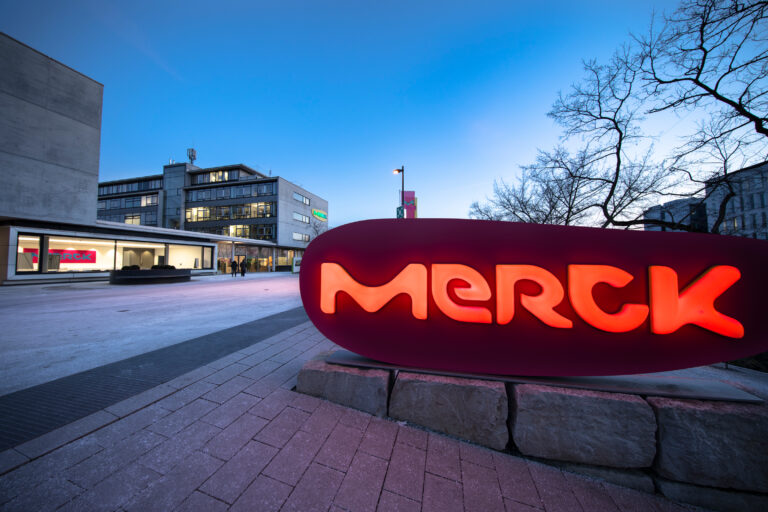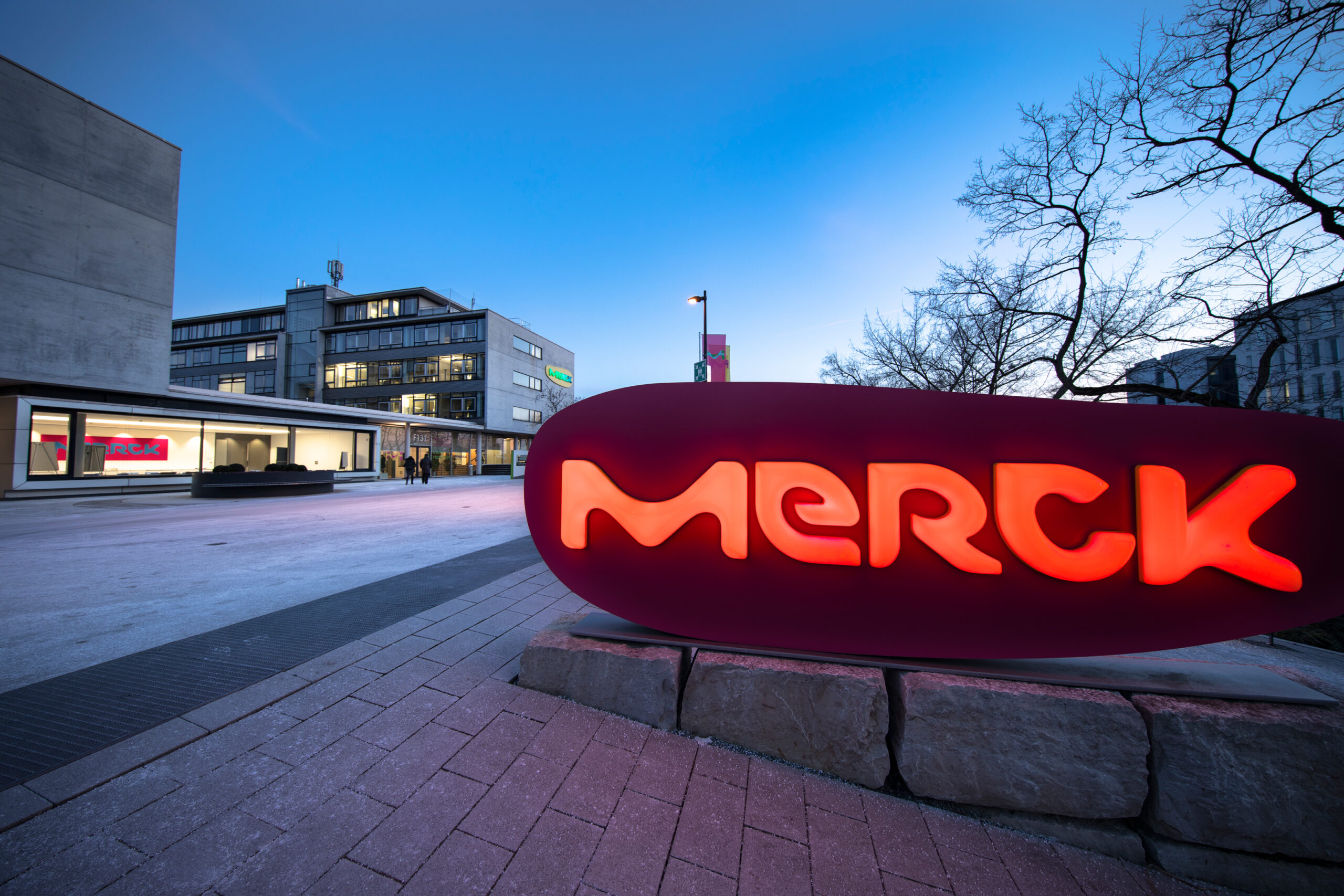
Merck Daejeon bioprocessing center opened on 29 October 2026, when Merck, a leading science and technology company, inaugurated its new Asia-Pacific Bioprocessing Production Center in Daejeon, South Korea. The announcement was issued from Darmstadt, Germany, and puts the investment at more than €300 million, which Merck describes as its largest Life Science investment in Asia-Pacific to date.
The 44,500-square-meter site expands the company’s regional manufacturing capacity for critical materials and solutions used in developing and producing biologic medicines. According to Merck, the Merck Daejeon bioprocessing center gives biopharmaceutical manufacturers across Asia-Pacific closer access to those materials, a point that matters for companies moving programs from development toward commercial scale.
Jean-Charles Wirth, Member of the Executive Board of Merck and CEO Life Science, framed the opening around supply security. In his words, “Reliable access to critical materials is essential” at every stage of biologics manufacturing. He added that Daejeon brings advanced production closer to customers and delivers the quality and consistency they expect from Merck, which positions the site as added regional capacity.
The company highlighted four points in its announcement: the scale of the investment, integrated digital systems for automated data capture and batch traceability, the in-region-for-region strategy, and a design intended to eliminate on-site fossil-fuel use. Each is covered below, with details limited to what Merck has disclosed.
What the Merck Daejeon Bioprocessing Center Will Supply to Biopharma Manufacturers
From Daejeon, Merck will supply bioprocessing products used from early process development through commercial-scale manufacturing. The portfolio at the Merck Daejeon bioprocessing center includes cell culture media in dry powder and liquid formats, process liquids and ready-to-use cleaning-in-place solutions, and single-use sterile sampling solutions.
Within cell culture media, Merck specifically names pre-GMP small-scale custom products offered through imMEDIAte ADVANTAGE. The sterile sampling line is based on the NovaSeptum® Sterile Sampling System. Merck says these products help customers accelerate development, scale production, maintain controlled manufacturing environments and reduce contamination risk.
Cell culture media and process liquids will use animal-component-free raw materials and be manufactured to consistent global quality standards, according to the release. Merck has not disclosed production volumes, line counts, or a product-by-product launch schedule for the site, so those details remain unconfirmed.
Digital Traceability and Sustainability at the Merck Daejeon Bioprocessing Center
The center’s integrated digital ecosystem is designed to support automated data capture and end-to-end batch traceability. Merck says this increases process transparency and supports quality management and regulatory compliance, both of which matter to biologics customers who depend on documented, consistent supply.
On sustainability, the facility is designed to eliminate the use of fossil fuels on-site while increasing energy and water efficiency. The measures named are solar power, a heat-pump system, energy recovery in air handling units and rainwater reuse. The release gives no quantified energy or water targets for the facility.
Because the language is “designed to,” these are design intentions. Certifications or measured performance data have not been published in the release, so readers assessing the Merck Daejeon bioprocessing center against supplier sustainability criteria should look for those figures in future Merck disclosures.
Where the Merck Daejeon Bioprocessing Center Fits in Merck’s In-Region-for-Region Strategy
Merck calls the Daejeon site a key part of its in-region-for-region strategy, which aims to bring critical products and services closer to customers while applying consistent global quality standards. The Merck Daejeon bioprocessing center builds on recent investments across the company’s global network.
Two are named in the release: BioReliance® drug product testing in Darmstadt, Germany, and filtration manufacturing in Blarney, Ireland. Merck’s press page also lists related announcements, including a €70 million expansion of ADC manufacturing in St. Louis (30 September 2026), a biosafety testing laboratory expansion in Singapore (11 August 2026) and the opening of a BioReliance testing facility in Darmstadt (16 July 2026).
Tae-Jeong Heo, Mayor of Daejeon, said the completion marks a historic turning point in the city’s rise as a “global bio hub.” He pledged the city’s full support to bring Merck’s foundational technologies at the Daedeok Innopolis together with local capabilities, and to build a bio ecosystem through collaboration among industry, academia, research institutions, and hospitals.
Merck Daejeon Bioprocessing Center: Company Background, Data Gaps and Outlook
Merck operates across life science, healthcare, and electronics, with more than 62,000 employees. In 2025, the company generated sales of €21.1 billion in 65 countries, and it traces its history to 1668, with the founding family remaining the majority owner. In the United States and Canada, its business sectors operate as MilliporeSigma in life science, EMD Serono in healthcare, and EMD Electronics in electronics.
The release does not disclose several details about the Merck Daejeon bioprocessing center: the production commissioning date, capacity figures, headcount, a breakdown of the €300 million-plus investment, and named customers. Statements about what the center will supply and how it is designed to perform are company expectations and should be read as forward-looking.
For biopharma buyers in Asia-Pacific, the practical question is how quickly the Merck Daejeon bioprocessing center moves from opening to supply. The press page also lists Merck’s 25 June 2026 headline about agreeing to acquire Bio-Techne, though the release does not link that deal to Daejeon. Until Merck publishes production milestones, the site is best tracked through the company’s official press releases.
This report is based solely on Merck’s official press release dated 29 October 2026. Merck distributes its press releases by e-mail at the same time they appear on its website, and registration is available through its media center. The listed media contact for the announcement is Sue Kim. Figures, product names, and quotations are reproduced as the company stated them, and anything the release does not state is flagged rather than estimated.
Merck Daejeon Bioprocessing Center Key Facts
| Attribute | Detail |
|---|---|
| Company | Merck |
| Facility | Asia-Pacific Bioprocessing Production Center |
| Location | Daejeon, South Korea |
| Opening date | 29 October 2026 |
| Announcement dateline | Darmstadt, Germany |
| Investment | More than €300 million |
| Investment significance | Merck’s largest Life Science investment in Asia-Pacific to date |
| Site size | 44,500 square meters |
Products Supplied From the Merck Daejeon Bioprocessing Center
| Product Category | Detail Stated by Merck |
|---|---|
| Cell culture media | Dry powder and liquid formats |
| Custom cell culture media | Pre-GMP small-scale products via imMEDIAte ADVANTAGE |
| Process liquids | Includes ready-to-use cleaning-in-place solutions |
| Sterile sampling | Single-use solutions based on the NovaSeptum® Sterile Sampling System |
| Raw materials | Animal-component-free for cell culture media and process liquids |
| Quality standard | Consistent global quality standards |
| Use stage | Early process development through commercial-scale manufacturing |