Gene variants of Neanderthal associated with greater pain sensitivity; University College London

Gene variants of Neanderthal are associated with greater pain sensitivity; University College London

Researchers discovered that after previously being exposed to mustard oil, those with so-called Neanderthal variations in the sensory neuron-related gene SCN9A are more susceptible to pain from skin pricking. Three mutations in the SCN9A gene, referred to as M932L, V991L, and D1908G, have been found in sequenced Neanderthal genomes and there have been reports of increased pain sensitivity in people who possess all three variants. The precise sensory responses impacted by these variations were unknown, though, until this study.

New technology for producing bioreactor-made cells for cancer treatment

New technology for producing bioreactor-made cells for cancer treatment

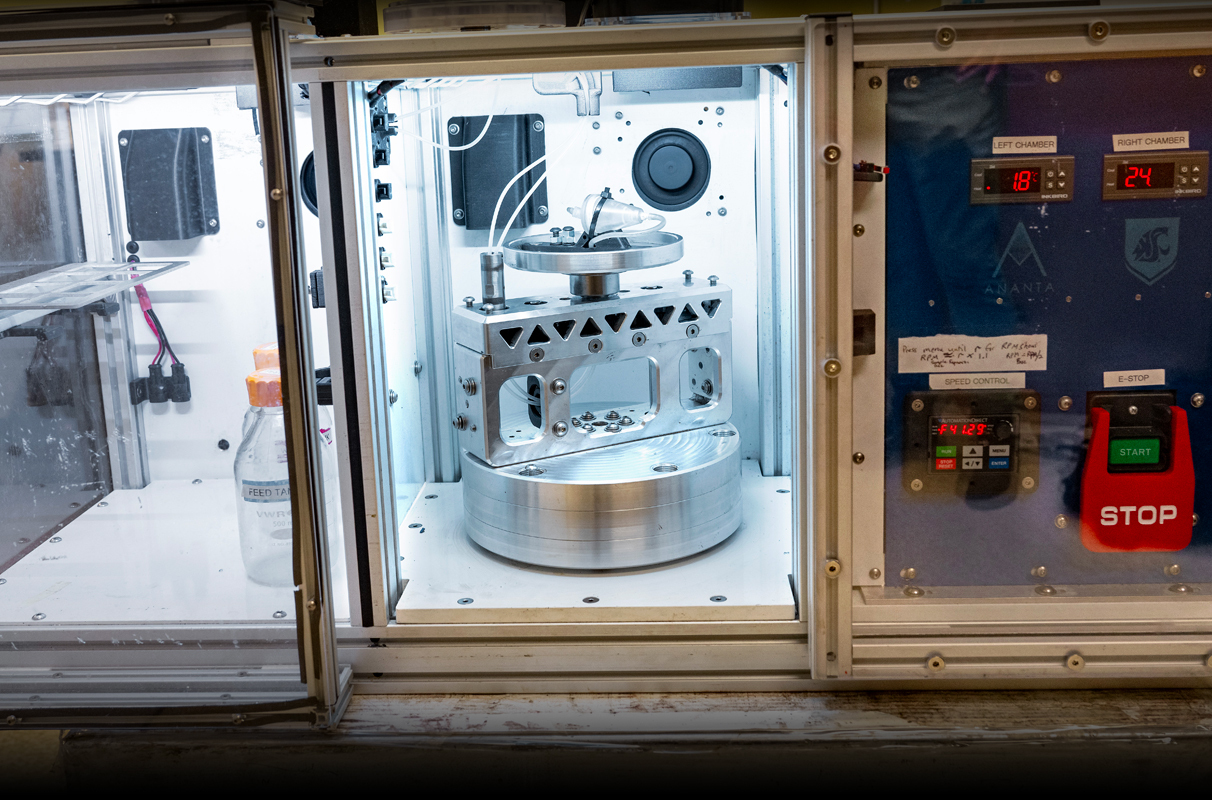
Washington State University has developed a new technology for the development of cells using a bioreactor for cancer therapy. this technique develops cancer-detecting white blood cells (WBC) which supports immunotherapy.

Researchers at Washington State University have created a bioreactor the size of a minifridge that can produce T cells at 95% of their maximal development rate, which is around 30% quicker than what is possible with existing technology. They developed it using T cells from cattle. They expect it will function similarly on human cells.

Diagnosis of bipolar disorder is very simple using a blood test to identify biomarkers; A study at the University of Cambridge

Diagnosis of bipolar disorder is very simple using a blood test to identify biomarkers; A study at the University of Cambridge

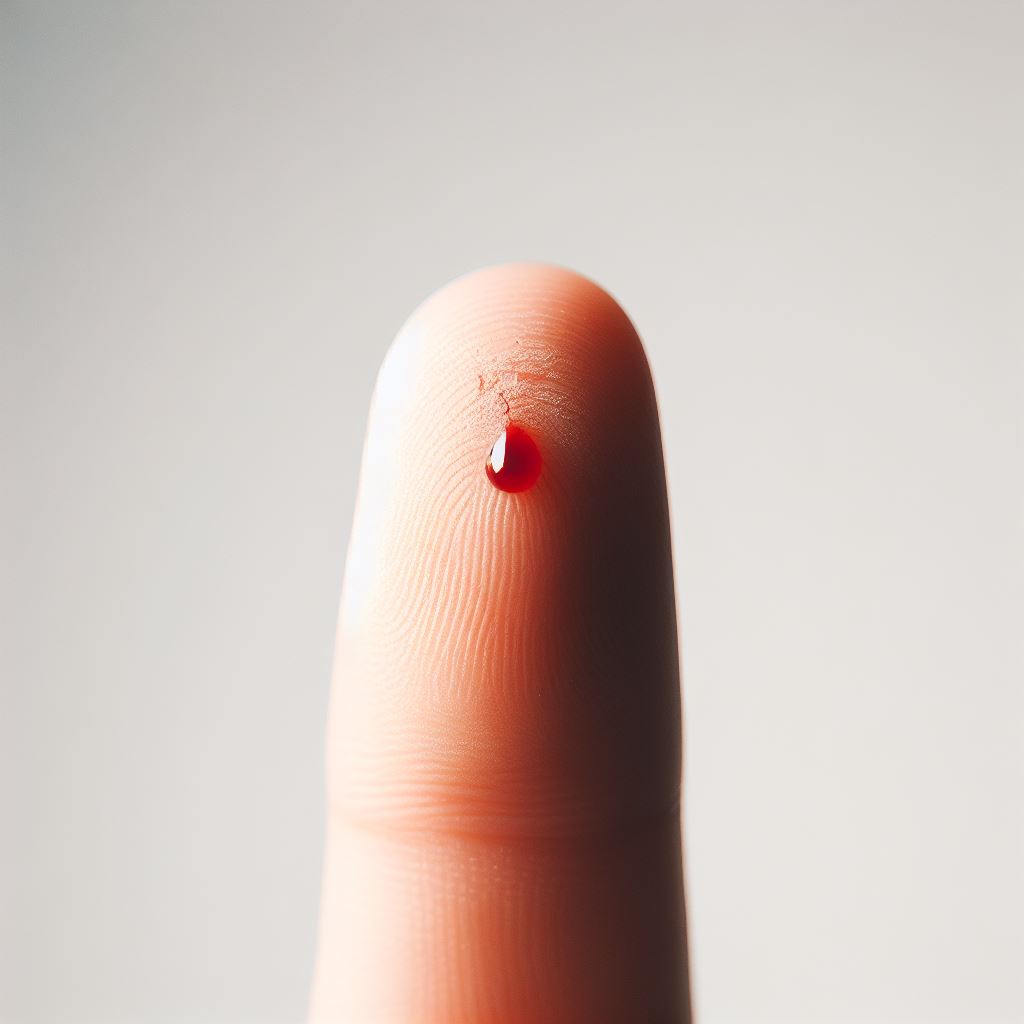
Researchers at the University of Cambridge have proven that a simple blood test is enough for the diagnosis of bipolar disorder. They used a combination of online psychiatric assessments and blood tests to diagnose patients with bipolar disorder.

NASA’s Bennu asteroid sample delivered by the OSIRIS-REx mission contains building blocks of life

NASA's Bennu asteroid sample delivered by the OSIRIS-REx mission contains building blocks of life

The initial analysis took place within weeks using X-ray diffraction, Scanning Electron Microscopy (SEM), and infrared measurements. These produced the 3D computer model of the particles which gave an idea about internal and external structure. This analysis gives the initial data about carbon content and water.