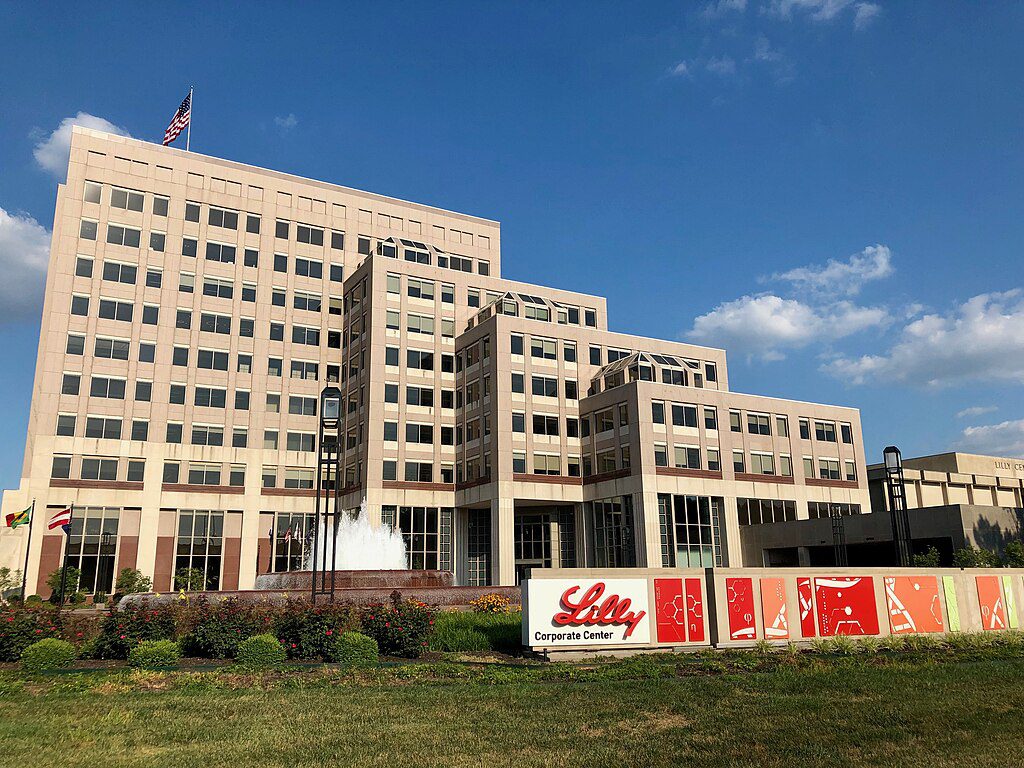
Lilly’s Omvoh Shows Sustained, Long-Term Efficacy in Ulcerative Colitis and Crohn’s Disease

Eli Lilly and Company

Eli Lilly and Company announced a significant milestone for Omvoh (mirikizumab-mrkz), which is now the first and only IL-23p19 antagonist to demonstrate four years of sustained, corticosteroid-free comprehensive patient outcomes for individuals living with ulcerative colitis (UC).

‘Proteotoxic Shock’: Ohio State Researchers Uncover Hidden Mechanism Behind Immunotherapy Failure

Recent Cancer Research Shows Treatment Efficacy With Lupus-Related Antibody

A landmark study by Ohio State scientists reveals the underlying mechanism of cancer immunotherapy failure: a fatal “proteotoxic shock” or protein quality control collapse (TexPSR) in T-cells. This newly identified stress pathway overwhelms immune cells with misfolded proteins, disabling their tumor-fighting function. Crucially, blocking the TexPSR pathway in preclinical models restored T-cell function and made immunotherapy markedly more effective, offering an entirely new target for cancer treatment development.

AbbVie Invests $70 Million to Expand Biologics Manufacturing and R&D Hub in Massachusetts

AbbVie

AbbVie has broken ground on a $70 million expansion of its Bioresearch Center in Worcester, MA, a key part of its $10 billion U.S. investment plan. The project will add new manufacturing suites and labs to increase domestic production of complex biologic medicines for immunology and oncology, creating new jobs and bringing key manufacturing capabilities from Europe to the United States.

FDA Approves Groundbreaking Combination Therapy for Extensive-Stage Small Cell Lung Cancer

Roche

In a major breakthrough for oncology, the U.S. FDA has approved a new combination therapy from Roche for a highly aggressive form of lung cancer. The treatment, which combines Tecentriq® (atezolizumab) and lurbinectedin (Zepzelca®), is the first of its kind for the maintenance treatment of extensive-stage small cell lung cancer (ES-SCLC). Clinical trial results show the regimen significantly reduces the risk of disease progression and death, offering new hope and a pivotal shift in how this challenging disease is managed post-chemotherapy.

Amgen’s Repatha® (evolocumab) Succeeds in Landmark Phase 3 Trial, Showing Significant Reduction in Cardiovascular Events

amgen

Amgen announced that its landmark Phase 3 VESALIUS-CV clinical trial for Repatha® (evolocumab) met its primary endpoints, demonstrating a significant reduction in the risk of major adverse cardiovascular events (MACE) in high-risk individuals without a prior history of heart attack or stroke. The study, which enrolled over 12,000 patients, positions Repatha as the first and only PCSK9 inhibitor to show such a benefit in this primary prevention setting, offering a new hope for patients at high risk for cardiovascular disease.

FDA Approves First-of-its-Kind Psoriasis and Arthritis Treatment for Children

JohnsonAndJohnson

The U.S. Food and Drug Administration (FDA) has given approval to TREMFYA® (guselkumab) for the treatment of moderate to severe plaque psoriasis and active psoriatic arthritis in children. This groundbreaking approval makes TREMFYA® the first and only IL-23 inhibitor available for pediatric patients, offering a new ray of hope for thousands of children affected by these chronic conditions.

European Commission Grants Marketing Authorization for Lilly’s Kisunla (donanemab) for the Treatment of Early Alzheimer’s Disease

Eli Lilly and Company

Eli Lilly and Company announced the European Commission has granted marketing authorization for Kisunla (donanemab) to treat early symptomatic Alzheimer’s disease. The therapy demonstrated a significant slowing of cognitive and functional decline and is unique for supporting a finite treatment course.

FDA Approves Lilly’s Inluriyo (imlunestrant) for Advanced ER+, HER2- Breast Cancer with ESR1 Mutation

Eli Lilly and Company

The U.S. Food and Drug Administration (FDA) has officially approved Eli Lilly and Company’s Inluriyo (imlunestrant), a new oral therapy for adult patients with advanced or metastatic estrogen receptor-positive (ER+), HER2-negative breast cancer that has an ESR1 mutation. The approval is based on the pivotal Phase 3 EMBER-3 trial, which demonstrated that Inluriyo significantly reduced the risk of disease progression or death by 38% in this patient population, offering a new and convenient treatment option for a challenging form of breast cancer.