
The University of California San Francisco Medical Center researchers have discovered four different gene classes that contribute to the explanation of why certain brain regions are more vulnerable to the devastation caused by Alzheimer’s disease than others. The innovative study, which was published in the esteemed journal Brain, provides a fresh viewpoint on the intricate interactions between brain networks and genetics that contribute to the development of this debilitating neurodegenerative disease.
Read More: Scientists map the human brain’s networks regulating the gene function
A perplexing feature of Alzheimer’s disease that researchers have been battling for years is its “selective vulnerability.” The disease’s hallmark, the toxic buildup of tau protein tangles, first destroys parts of the brain, including the entorhinal cortex and hippocampus. Other regions, such as the primary sensory cortices, on the other hand, continue to be incredibly resilient. The development of efficient treatments has been hampered by the inability to identify the causes of this discrepancy.
Read More: New Wireless Implant Offers Hope for Personalized Chronic Pain Relief
The researchers isolated the impact of 100 distinct Alzheimer’s risk genes by contrasting the model’s predictions with the actual tau accumulation seen in the patients’ brains. Their investigation showed that these genes were interestingly and hitherto unidentified and divided into four groups:
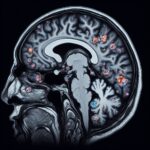
- Network-aligned vulnerability genes: Genes that increase susceptibility to tau disease in brain regions that correspond with the network structure of the brain are known as network-aligned vulnerability genes. Their main functions include metabolic activities, cell death, and cellular stress responses.
- Network-independent vulnerability genes: Genes that promote sensitivity without relying on the brain’s network are known as network-independent vulnerability genes. Their roles are more directly related to the immune response and the processing of amyloid-β, another protein that aggregates in Alzheimer’s sufferers’ brains.
- Network-aligned resilience genes: Genes associated with network-aligned resilience: These genes seem to provide network-dependent protection against tau disease in certain brain areas.
- Network-independent resilience genes: Genes that provide resilience without being influenced by the network of the brain are known as network-independent resilience genes.
Last Modified: