
British researchers have reported the birth of eight healthy children using a cutting-edge IVF procedure called mitochondrial donation treatment, marking a significant milestone in reproductive medicine. Often called “three-person IVF,” this innovative technique has effectively stopped the transfer of severe and incurable mitochondrial disorders from mother to child.
A committed group of scientists and medical professionals from Newcastle University, the Newcastle upon Tyne Hospitals NHS Foundation Trust, and the Newcastle Fertility Centre created and implemented the ground-breaking technique. For families dealing with mitochondrial disorders, which can result in a variety of serious health issues, such as organ failure, muscle atrophy, seizures, and early death, the finding provides a glimmer of hope.
Read More: First baby born from DNA of three people in UK
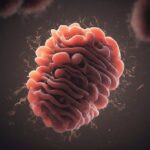
Pronuclear transfer (PNT), a complex process, is the science underlying the success. This method involves carefully removing the nuclear DNA—which contains the genetic code for each individual’s unique traits—from a parent’s fertilized egg. The healthy mitochondria, the little “powerhouses” of human cells, are still present in a donor egg that has had its own nuclear DNA removed. The resultant embryo is devoid of the mother’s defective mitochondrial DNA but retains the genetic identity of its parents.
The efficacy of this novel strategy is demonstrated by the study’s clinical findings, which were reported in the New England Journal of Medicine. The medication was administered to 22 women who were at high risk of transmitting mitochondrial illness. Eight babies—four boys and four girls, including a set of twins—have been born as a result of this so far, and they are all healthy and reaching their developmental goals. There’s another pregnancy going on.
The mothers who have undergone this process have conveyed their sincere appreciation. “As parents, all we ever wanted was to give our child a healthy start in life,” stated a mother of a baby girl. IVF, which uses mitochondrial donation, makes that feasible. This treatment offered us hope after years of uncertainty, and it later produced our child.
Being the first nation to authorize mitochondrial donation in 2015, the UK has been at the forefront of this medical advancement. The Human Fertilization and Embryology Authority (HFEA) rigorously regulates the treatment and authorizes each case separately. At the moment, the only establishment in the UK with permission to carry out the treatment is the Newcastle Fertility Centre.
Experts stress the necessity for ongoing monitoring and research, even as the discovery is being hailed as a significant win in the battle against hereditary illnesses. To better understand the ramifications of this innovative treatment, the long-term health of the children born using this approach will be closely monitored. A better future for people at risk of inherited disorders is provided by this outstanding scientific accomplishment, which also transforms the lives of the families concerned and creates new opportunities in the field of reproductive genetics.
Last Modified: