New technology for producing bioreactor-made cells for cancer treatment

New technology for producing bioreactor-made cells for cancer treatment

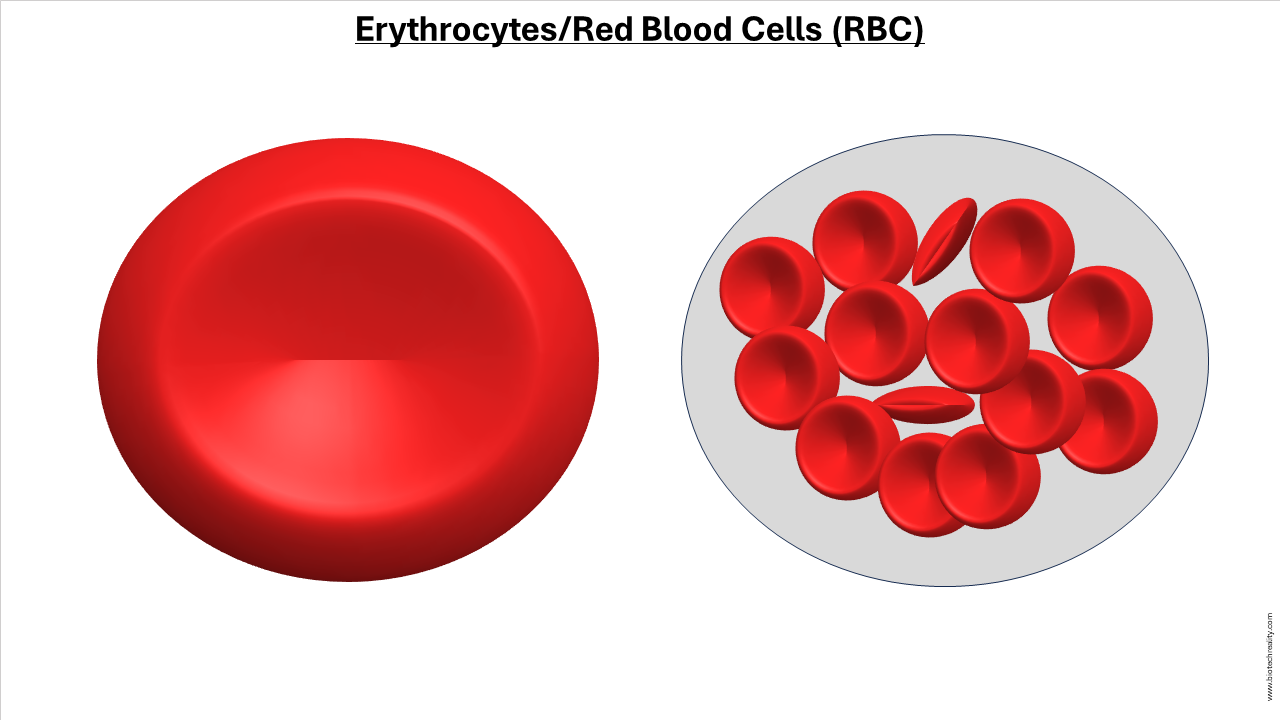
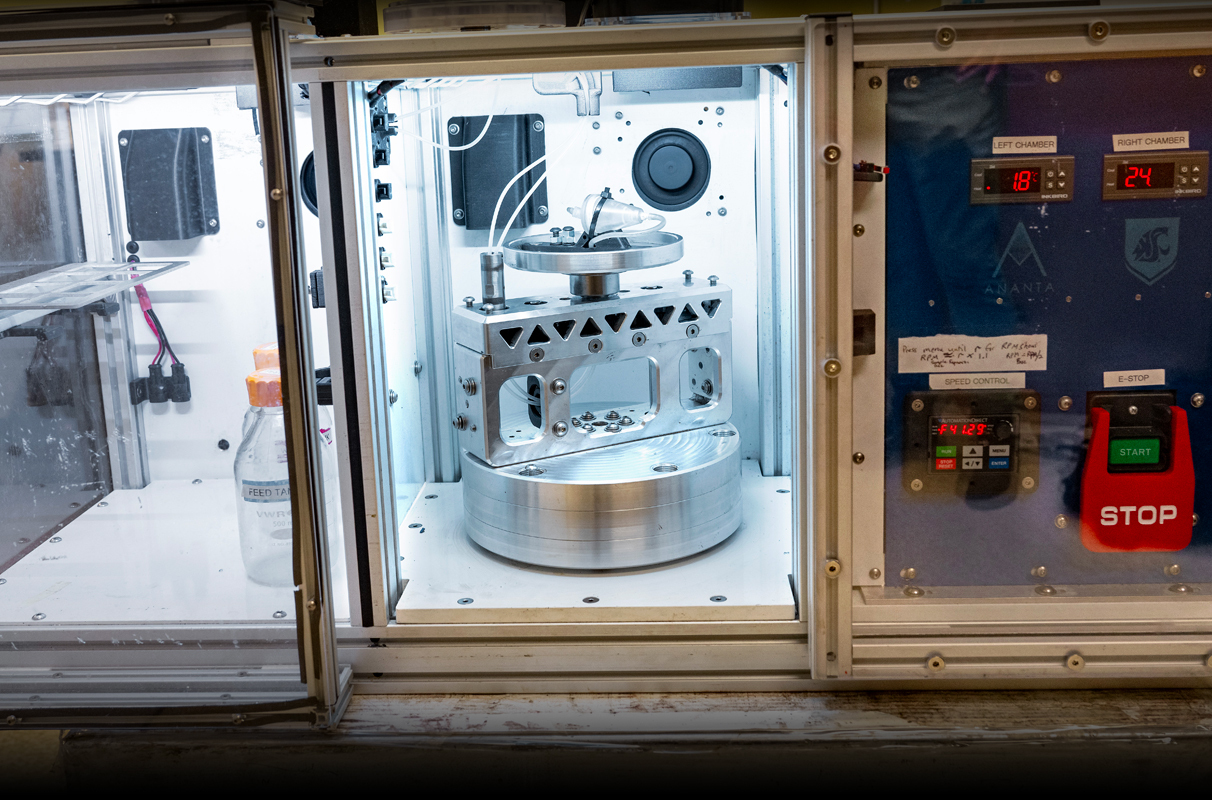
Washington State University has developed a new technology for the development of cells using a bioreactor for cancer therapy. this technique develops cancer-detecting white blood cells (WBC) which supports immunotherapy.

Researchers at Washington State University have created a bioreactor the size of a minifridge that can produce T cells at 95% of their maximal development rate, which is around 30% quicker than what is possible with existing technology. They developed it using T cells from cattle. They expect it will function similarly on human cells.


Researchers at University of Oxford developed 3D printing for repairing brain injuries

Genetic risk-factor overlap between Alzheimer's disease and vascular dementias

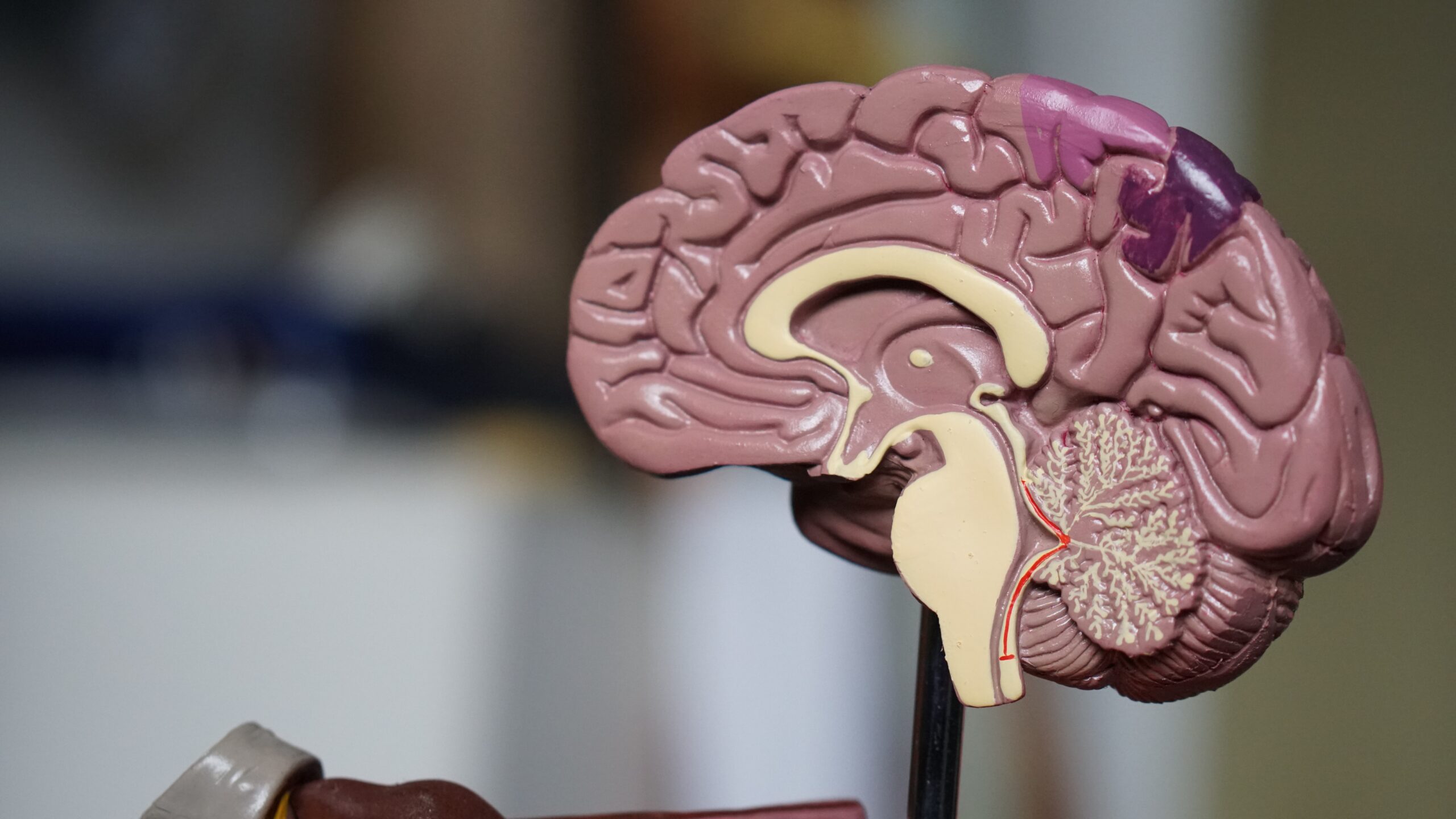
With the advancement of stem cell technology and 3D printing, researchers at the University of Oxford developed a 3D printing method for the purpose of repairing brain injuries. It was initially tested in mouse brain fragments, to this the implant was attached. These implants then got integrated with the mouse brain fragments. This newly developed technology can be used for curing lethal brain injuries.

Paternity Test: DNA Fingerprinting, Definition, and Types

Paternity Test: DNA Fingerprinting, Definition, and Types

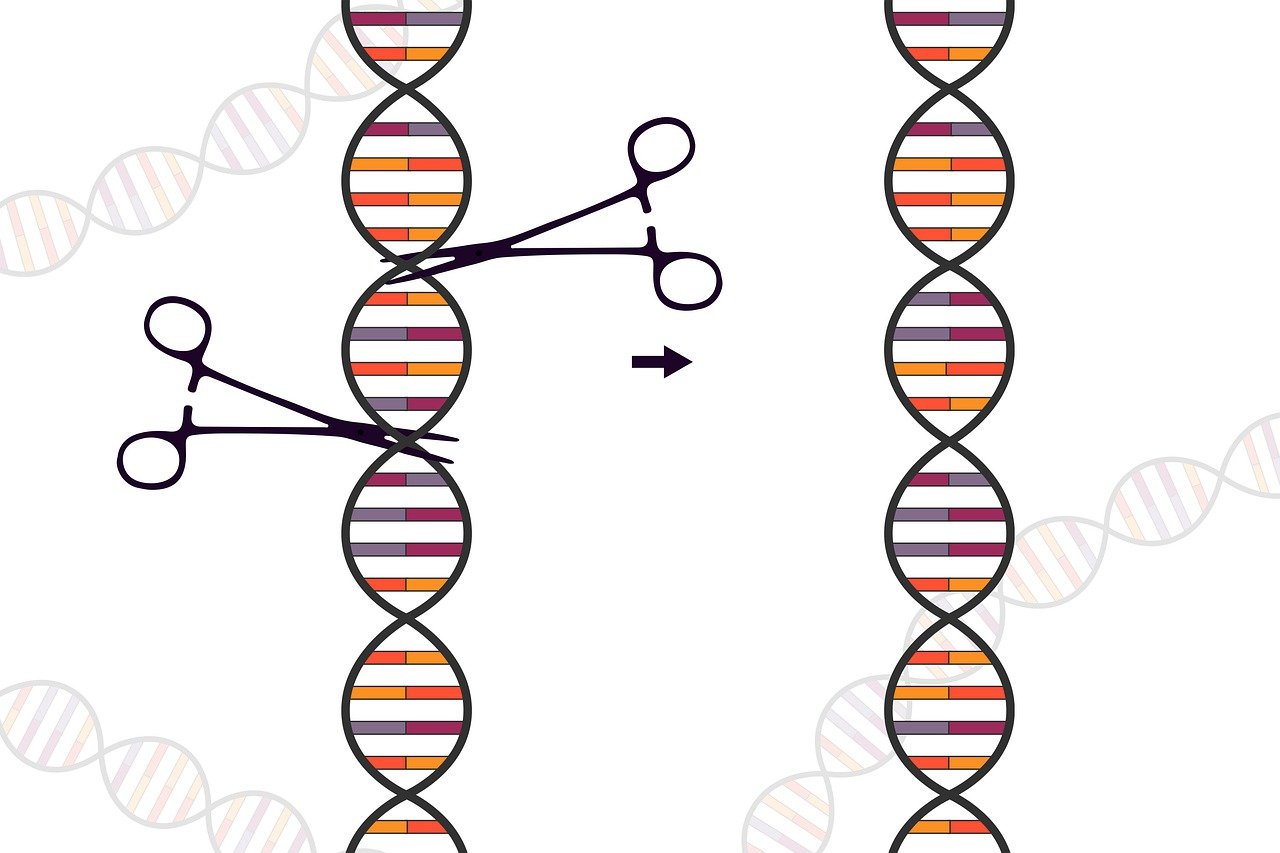
A paternity test using DNA is the legitimate method to identify a person’s biological father. It is a widely accepted method by law for clearing paternity disputes. These tests can be done with any biological material containing DNA, but preferably blood tests and swab tests are generally used. Technically this method can also able to determine the father of an unborn baby.