Eli Lilly’s Eloralintide Shows Up to 20.1% Weight Loss in Phase 2 Obesity Study
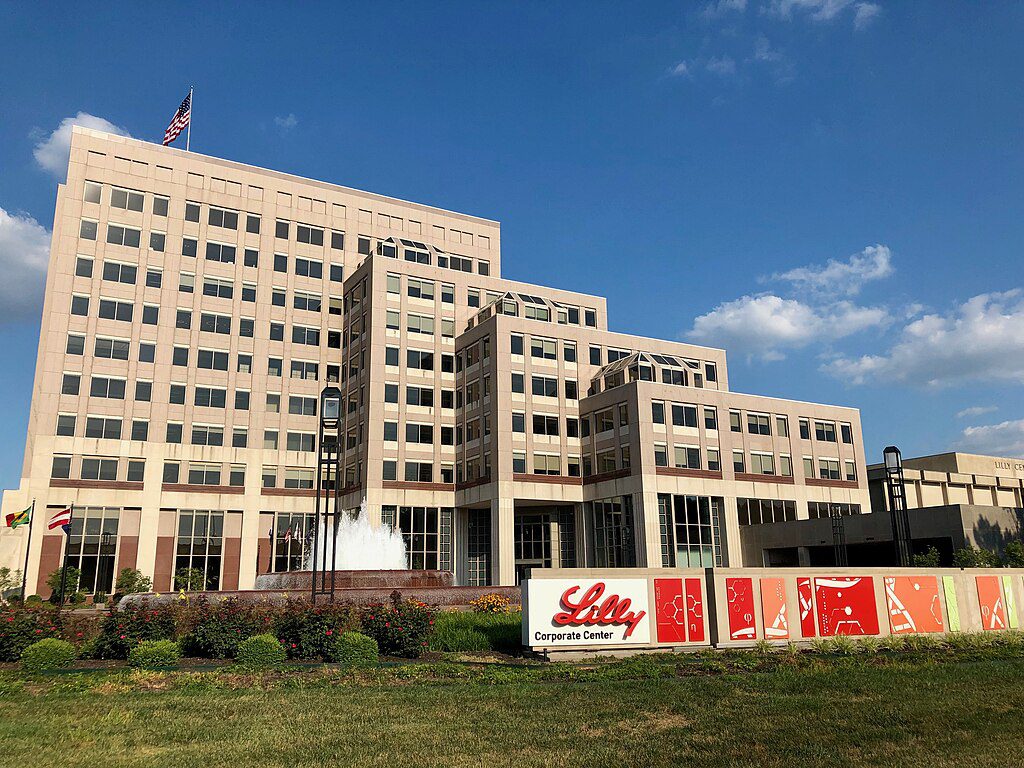
Eli Lilly and Company

Eli Lilly and Company announced positive Phase 2 trial results for eloralintide, its investigational once-weekly, selective amylin receptor agonist. The study met its primary endpoint, showing that adults with obesity or overweight achieved mean weight reductions of up to 20.1% over 48 weeks, compared to 0.4% with placebo. The drug also demonstrated a favorable tolerability profile, with mild-to-moderate gastrointestinal symptoms being the most common adverse events. Lilly plans to advance eloralintide to Phase 3 trials by the end of 2025.

Roche Announces Positive Phase III ALLEGORY Study Results for Gazyva®/Gazyvaro® in Systemic Lupus Erythematosus

Roche

Roche’s Phase III ALLEGORY study for Gazyva® (obinutuzumab) in systemic lupus erythematosus (SLE) met its primary and all key secondary endpoints. These “unprecedented” results demonstrate Gazyva’s potential to effectively control disease activity and may delay or prevent further organ damage in people with SLE.

J&J Seeks U.S. FDA Approval to Expand STELARA® Use for Pediatric Ulcerative Colitis

JohnsonAndJohnson

Johnson & Johnson announced the submission of a supplemental Biologics License Application (sBLA) to the FDA for STELARA® (ustekinumab) to treat children aged two years and older with moderately to severely active ulcerative colitis. The filing is supported by data from the Phase 3 UNIFI Jr clinical trial, aiming to address the significant unmet needs for this pediatric patient population.

TREMFYA® (guselkumab) Demonstrates Durable Two-Year Remission in Crohn’s Disease, New Phase 3 Data Show

JohnsonAndJohnson

New 96-week data from the Phase 3 GALAXI and GRAVITI studies show high rates of sustained remission for TREMFYA® (guselkumab) in Crohn’s disease. At two years, over 86% of patients on maintenance doses achieved clinical remission, reinforcing its long-term efficacy as the only fully subcutaneous IL-23 inhibitor for the condition.

GSK’s Blenrep Gets U.S. FDA Approval for Multiple Myeloma Treatment

GSK - GlaxoSmithKline

The FDA has approved GSK’s Blenrep (belantamab mafodotin) in combination with bortezomib and dexamethasone for adult patients with relapsed or refractory multiple myeloma. The decision, backed by the pivotal DREAMM-7 trial, introduces a new, accessible anti-BCMA treatment that significantly improved overall survival and progression-free survival compared to the standard of care. This milestone offers renewed hope for patients who have relapsed after at least two prior lines of therapy.

AstraZeneca’s Tezspire Gains EU Approval for Nasal Polyps, Offering New Hope for Patients

AstraZeneca

The European Commission has officially approved AstraZeneca’s Tezspire (tezepelumab) for adults with severe chronic rhinosinusitis with nasal polyps (CRSwNP). This new add-on therapy offers hope for patients whose condition is uncontrolled by standard treatments, demonstrating efficacy in reducing polyp size, alleviating congestion, and decreasing the need for surgery.

Roche’s Gazyva/Gazyvaro Gets U.S. FDA Approval for Lupus Nephritis Treatment

Roche

Roche announced today that the U.S. Food and Drug Administration (FDA) has approved Gazyva/Gazyvaro (obinutuzumab) for the treatment of adult patients with active lupus nephritis. Based on positive results from Phase II and III clinical trials, this new therapy offers a significant advancement for those suffering from this severe kidney complication of lupus, showing superiority over standard therapy alone.

Gilead’s Trodelvy Shows Significant Promise in Treating Aggressive Breast Cancer

Gilead

Results from the ASCENT-03 study reveal that Trodelvy (sacituzumab govitecan-hziy) significantly enhances outcomes for patients with metastatic triple-negative breast cancer. The drug lowered the risk of disease progression or death by 38% and provided a longer duration of response compared to chemotherapy. This positions Trodelvy as a potential new standard of care for this aggressive form of breast cancer, offering hope to a patient population with limited treatment options.

Breakthrough in Bladder Cancer Treatment: PADCEV and KEYTRUDA Combination Significantly Improves Survival

pfizer news

A landmark clinical trial reveals a powerful new weapon against aggressive bladder cancer. The combination of PADCEV™ and KEYTRUDA®, administered before and after surgery, has been shown to significantly improve survival rates for patients with muscle-invasive bladder cancer who are ineligible for cisplatin chemotherapy. These groundbreaking results could establish a new standard of care, offering profound hope for a patient population with previously limited options.