Nobel Prize 2023: Physiology or Medicine prize on October 2

Nobel Prize 2023: Physiology or Medicine prize on October 2

The most awaited Nobel season is here. The noble committees will get together in Stockholm and Oslo and announce the prizes in Physiology or Medicine, Physics, Chemistry, Literature, Peace, and Economics.
The announcement series will be initiated with Physiology or Medicine on October 2nd at the Karolinska Institutet in Solna, Sweden.

Antibiotics: Mode of Action and Types

Antibiotics: Mode of Action and Types

Antibiotics are common agents used in modern healthcare that are used against certain microbial infections. Antibiotics are compounds that fight infections caused by bacteria in humans and animals. They have undoubtedly transformed the world and have certainly contributed to increasing human life expectancy by treating several life-threatening infectious diseases by the administration of antibiotics.

Paternity Test: DNA Fingerprinting, Definition, and Types

Paternity Test: DNA Fingerprinting, Definition, and Types

A paternity test using DNA is the legitimate method to identify a person’s biological father. It is a widely accepted method by law for clearing paternity disputes. These tests can be done with any biological material containing DNA, but preferably blood tests and swab tests are generally used. Technically this method can also able to determine the father of an unborn baby.

Electron Microscopy – Specimen Preparation, Types, and Application

Electron Microscopy - Specimen Preparation, Types, and Application

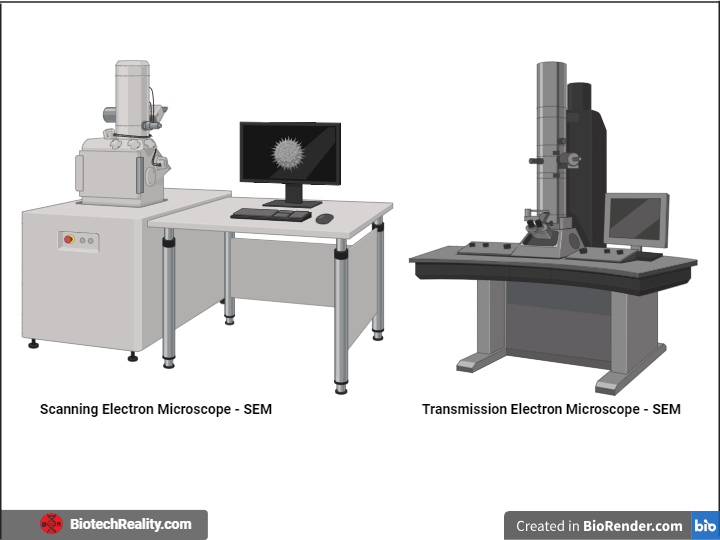
The electron microscope was developed during the 1930s by Ernst Ruska and was first applied to biological specimens by Albert Claude, Keith Porter, and George Palade. The use of electron beams to deflect and focus that beam using electrostatic and magnetic coils or lenses is the basic principle of an electron microscope.